
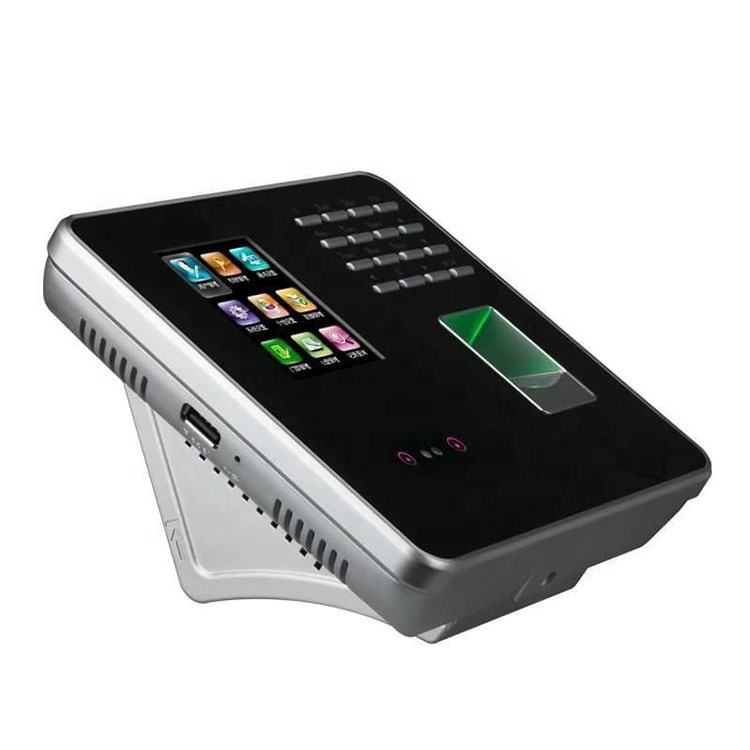
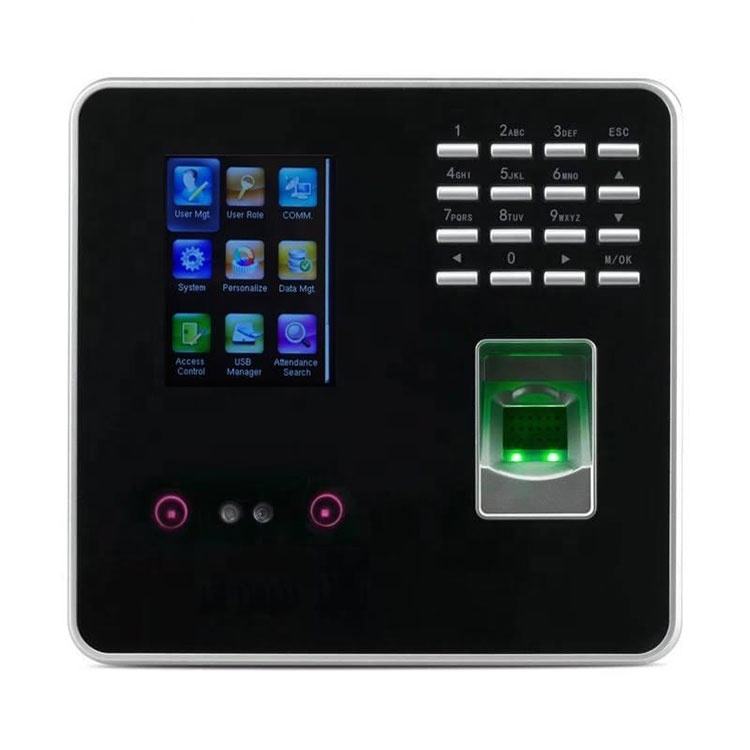
Student Fingerprint Time Attendance System in Kenya.
Schools in Kenya are rapidly adopting modern technologies to improve safety, efficiency, and accountability. One of the most effective solutions now gaining traction is the Student Fingerprint Time Attendance System. This biometric solution ensures that parents receive instant alerts when their child arrives at or leaves school while helping institutions maintain accurate attendance records.
In this blog, we’ll explore what the system is, how it works, the step-by-step procedure for implementation, the cost in Kenya, the benefits for schools and parents, and frequently asked questions.
What is a Student Fingerprint Time Attendance System?
A student fingerprint time attendance system uses biometric fingerprint scanners and software to identify students based on their unique fingerprint patterns. Unlike traditional roll calls or manual registers, it automatically logs entry and exit times when a student places their finger on the scanner at the school gate or classroom.
Parents receive real-time SMS or app notifications such as “Your child has arrived at school” or “Your child has left school.” Meanwhile, school administrators access digital records that track attendance patterns and punctuality.
Why Are Schools in Kenya Adopting It?
Several reasons explain why many Kenyan schools, from Nairobi to Kisumu, are switching to fingerprint attendance:
-
Enhanced safety – Parents know exactly when their children arrive or leave.
-
Accuracy – Eliminates errors and manipulation in manual registers.
-
Convenience – Parents no longer need to call schools to confirm attendance.
-
Accountability – Students cannot sign in for friends.
-
Digital records – Schools can generate instant reports for analysis.
With growing security needs and the demand for efficiency, schools view fingerprint systems as a long-term investment in child safety and effective management.
How Does the System Work?
The process is seamless and automated:
-
Student enrollment – The school registers each student’s fingerprint into the system database.
-
Daily use – Students scan their fingerprints at designated terminals during entry and exit.
-
Instant alerts – Parents get SMS or app notifications once their child checks in or out.
-
Digital records – The system stores all attendance logs for administrators.
-
Reporting – Schools generate daily, weekly, or termly reports on student attendance.
Step-by-Step Procedure to Install the System.
For schools considering implementation, here is the common procedure in Kenya:
-
Needs assessment – Determine the number of students, terminals, and reporting requirements.
-
System design – Choose fingerprint scanners, software, and server setup.
-
Installation – Technicians install scanners and networking infrastructure.
-
Configuration – Students’ fingerprints are registered into the system.
-
Training – Staff and administrators are trained to manage the system.
-
Go-live – Official launch of the system with parent notifications enabled.
Cost of Fingerprint Time Attendance in Kenya.
The cost varies depending on:
-
Number of students.
-
Number of fingerprint scanners required.
-
Type of software and reporting features.
-
Installation and training charges.
Benefits for Parents and Schools.
For Parents:
-
Peace of mind through instant SMS alerts.
-
Assurance of child safety and punctuality.
-
Reduced stress about late arrivals or absenteeism.
For Schools.
-
Improved efficiency in attendance management.
-
Reduced absenteeism and lateness cases.
-
Better accountability for students.
-
Easy digital report generation for compliance and analysis.
Challenges and Considerations.
Although beneficial, some challenges exist:
-
Initial cost – Smaller schools may find setup expensive.
-
Maintenance – Scanners need regular servicing and updates.
-
Data privacy – Schools must comply with Kenya’s Data Protection Act to secure students’ biometric data.
By addressing these challenges early, schools can maximize the benefits of the system.
Final Thoughts.
The student fingerprint time attendance system in Kenya is revolutionizing how schools manage safety and accountability. With real-time alerts, digital records, and advanced reporting, both schools and parents gain peace of mind and operational efficiency.


