Understanding “360 Degree CCTV Cameras” in Kenya: What Many Homeowners Get Wrong
Today, a customer from Pipeline Nairobi called us after clothes were stolen from her sitting room. Like many homeowners after a theft incident, she wanted a CCTV camera that could help her monitor all entry points inside the house.
Her request was very common.
She asked for a “360 degree CCTV camera” that could cover:
- Doors.
- Windows.
- Corridor entrances.
- The sitting room area.
But during the conversation, one important misunderstanding came up. She believed that a 360 degree camera means the camera can automatically see everything around it at the same time.
This is one of the biggest misconceptions many people have when buying CCTV cameras in Kenya.
What Most People Think a 360 Degree Camera Means
Many customers assume:
- One camera can see every corner simultaneously.
- The camera has eyes everywhere.
- Nothing can happen behind the camera.
- A rotating camera records every angle at the same time.
Unfortunately, that is not always true.
The Truth About “360 Degree” CCTV Cameras
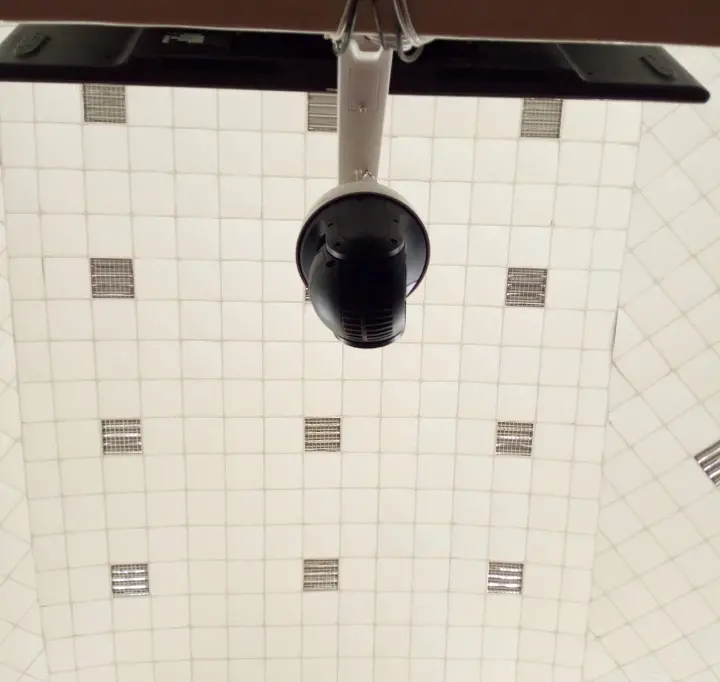
In most cases, when sellers say “360 degree camera,” they are referring to a PTZ camera or rotating camera.
PTZ means:
- Pan.
- Tilt.
- Zoom.
These cameras can rotate left and right and sometimes move up and down. Some can rotate almost fully around the room.
However, there is something important many people fail to understand:
A rotating camera only records where it is currently facing.
If the camera turns left, it is not actively recording what is happening behind it at that exact moment.
This means:
- Someone can still pass through another side while the camera faces elsewhere.
- Blind spots can still exist.
- Rotation does not mean simultaneous full-room coverage.
Why One Camera Is Usually Not Enough
In homes, especially apartments in areas like Pipeline, Embakasi, South B, Rongai, Zimmerman, and Kahawa West, thieves often use:
- Windows.
- Back doors.
- Balcony access.
- Corridors.
- Shared entrances.
Trying to rely on one rotating camera to monitor all these areas can create security gaps.
In many situations, installing multiple fixed cameras gives better security than relying on one rotating camera.
Difference Between Rotating Cameras and Wide-Angle Cameras
Rotating PTZ Camera
- Moves from one side to another.
- Can be controlled remotely.
- Covers larger areas over time.
- Only records where it is facing.
Wide-Angle Camera
- Covers a wider field of view.
- Sees more area at once.
- Better for small rooms and sitting rooms.
- Cannot rotate.
Fisheye or True 360 Cameras
There are special fisheye cameras designed to provide near full-room coverage from a ceiling position. These are different from ordinary rotating cameras and are mostly used in:
- Offices.
- Shops.
- Warehouses.
- Banks.
- Open indoor spaces.
Even then, proper positioning remains very important.
Best CCTV Setup for a House
For better home security, a proper setup may include:
- One camera at the main entrance.
- One camera covering the sitting room.
- One camera facing corridors.
- Outdoor cameras at windows or balconies.
- Motion detection alerts.
- Night vision coverage.
The goal is to eliminate blind spots instead of depending on one camera to do everything.
Why Professional Site Survey Matters
Every house has:
- Different room layouts.
- Different lighting conditions.
- Different entry points.
- Different blind spots.
This is why professional CCTV installers usually recommend a site survey before installation.
A proper assessment helps determine:
- Number of cameras needed.
- Best camera angles.
- Lighting conditions.
- Cable routing.
- Storage requirements.
- Internet connectivity for remote viewing.
Common CCTV Mistakes Homeowners Make
Many homeowners:
- Buy cameras before understanding coverage angles.
- Focus only on megapixels.
- Assume rotating cameras are magic solutions.
- Ignore blind spots.
- Install cameras too high or too low.
- Forget about night visibility.
A good CCTV system is not just about buying cameras. It is about proper planning and placement.
Smart Home CCTV Solutions in Kenya
Modern home CCTV systems can now include:
- Phone viewing.
- Motion alerts.
- Human detection.
- Two-way audio.
- Color night vision.
- Smart tracking.
- Cloud backup.
- Intrusion alerts.
But even with advanced technology, camera positioning still remains the most important factor.
CCTV Installation Services in Nairobi
At Boardtac Solutions, we help homeowners understand the right CCTV solution based on:
- House layout.
- Entry points.
- Lighting conditions.
- Security concerns.
- Budget.
- Indoor and outdoor coverage requirements.
We offer:
- CCTV site surveys.
- Home CCTV installation.
- Apartment CCTV solutions.
- Smart surveillance systems.
- Remote phone viewing setup.
- DVR and NVR installation.
- Security upgrades.
The best CCTV system is not the one with the biggest marketing name. It is the one properly designed to eliminate blind spots and improve security coverage.
A “360 degree CCTV camera” does not always mean the camera sees everything around it at the same time.
In most cases, it simply means the camera can rotate across different angles. Understanding this difference helps homeowners choose better security solutions and avoid disappointment after installation.
For effective home security, proper camera placement and professional planning matter more than marketing terms.