
The Problem with Connecting Multiple Buildings.
Imagine managing a gated community with fifteen apartment blocks. Or running a company with offices spread across three different industrial zones in Nairobi. You need every location to share the same internet connection, the same security system, and the same internal data. Now imagine trying to do that with standard copper cables or wireless bridges.
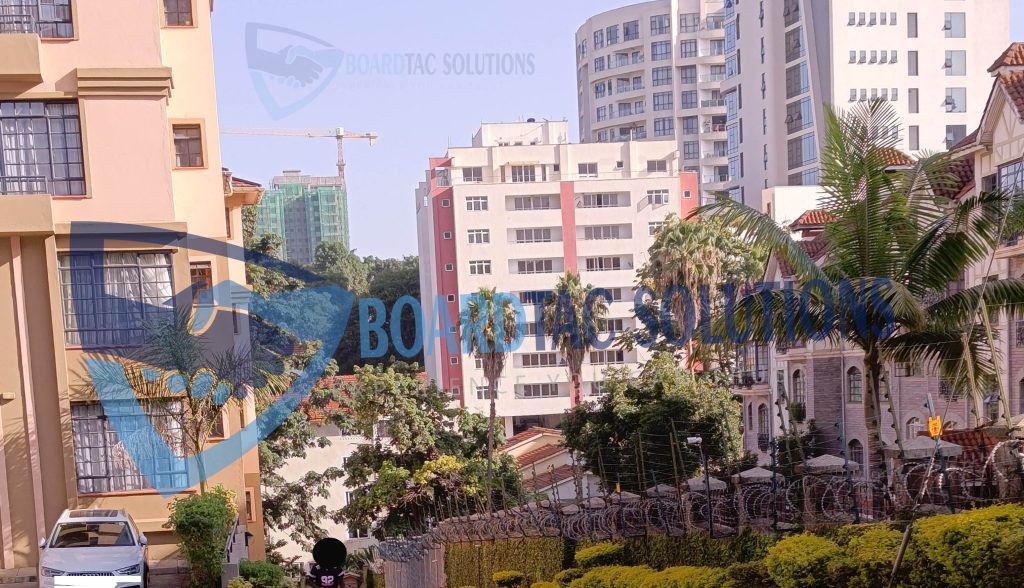
Copper cables have a strict distance limit. Push them beyond that, and the signal degrades until it becomes unusable. Wireless bridges are unpredictable. A single storm, a passing truck, or interference from neighboring networks can bring your operations to a halt.
This leaves you with a fragmented setup. Some buildings have fast internet. Others struggle to load emails. Sharing resources becomes a daily headache.
We solve that problem by removing the distance barrier entirely.
What Fiber Connectivity Changes.
Fiber optics use light to transmit data. Light does not weaken over long distances. It does not care about electrical interference. And it is not affected by weather.
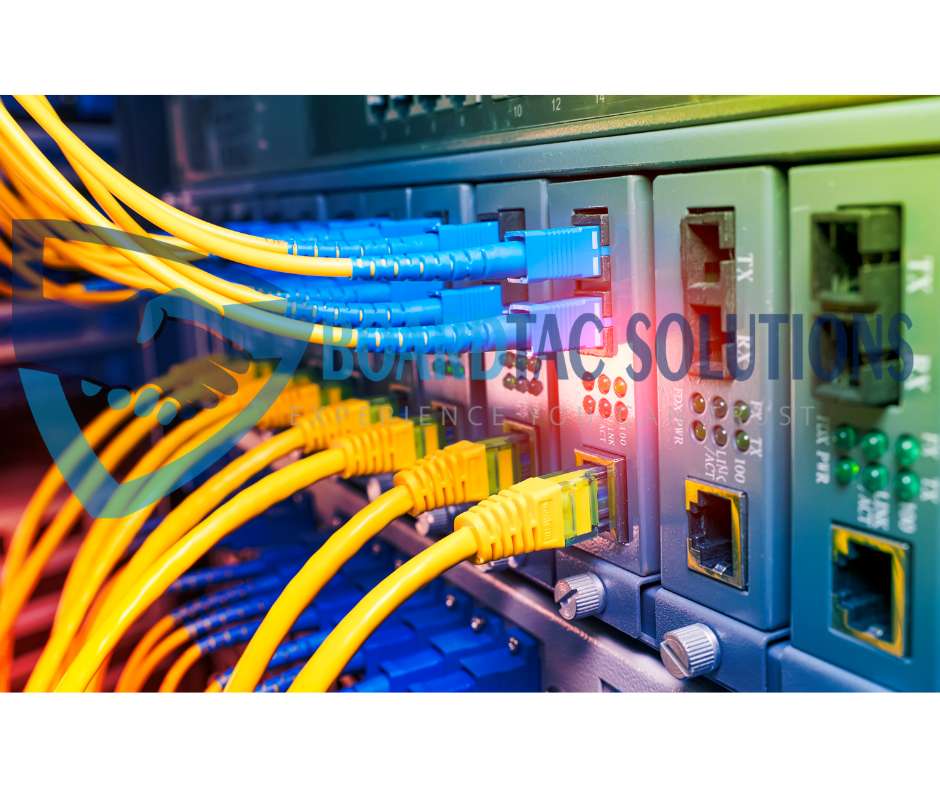
When you connect your buildings with fiber, every location performs as if it is inside the same compound. Apartment blocks spread across a large property can share a single high-speed internet connection without competing for bandwidth.
This setup gives you three immediate benefits:
- Stability. The connection does not drop during heavy rain or peak usage hours.
- Speed. Fiber supports far higher data transfer rates than copper or wireless alternatives.
- Security. Fiber cables are difficult to tap into without detection, making them more secure for sensitive business data.
How We Handle the Physical Installation.
Every fiber network is only as good as its installation. We manage the entire physical process so that you receive a system built to last.
We start by assessing your site. Some locations require trenching to bury cables safely. Others allow for ducting that protects cables from environmental damage while keeping them accessible for future upgrades. We determine the best approach based on your compound layout, existing infrastructure, and budget.
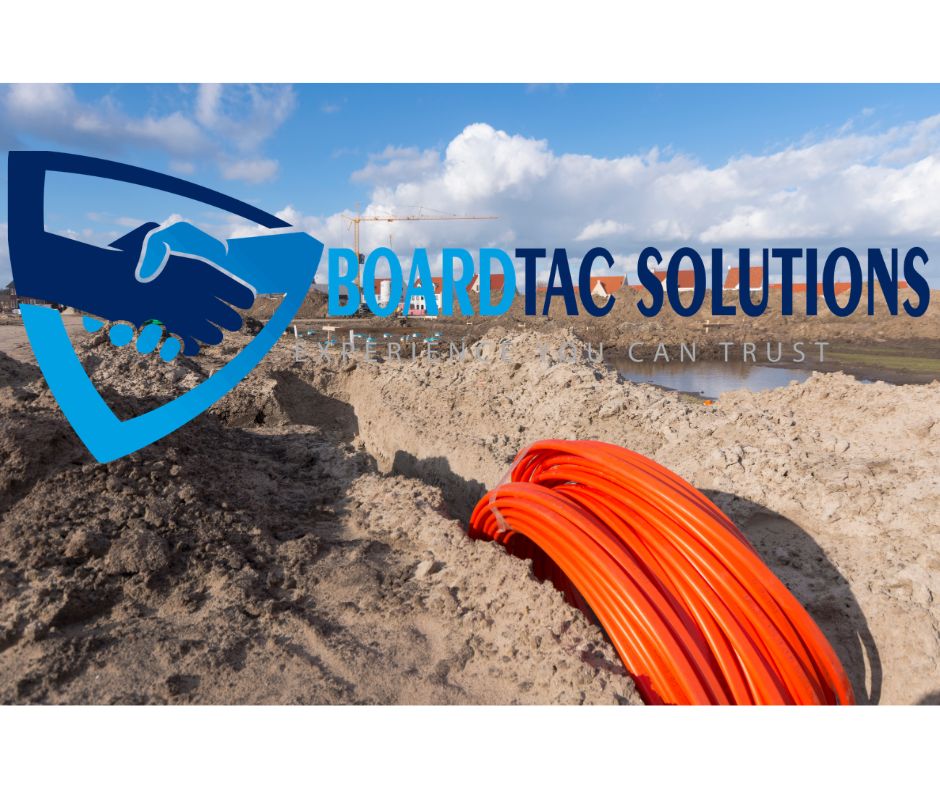
Once the pathway is prepared, we lay the fiber cable with careful attention to protection and longevity. Our team then handles splicing and terminations—the technical work of connecting the cable to your network equipment. We label every termination point clearly so that maintenance or expansion in the future is straightforward.
Before we hand over the system, we run full signal testing. This confirms that every connection meets performance standards and that there are no weak points in the installation.
Network Equipment and Distribution.
Fiber cables bring the connection to each building. But that connection needs to reach the offices, apartments, or security points inside.
We install the necessary network equipment to make that happen. This includes switches, media converters, and distribution panels that convert the fiber signal into usable ethernet ports. We position equipment strategically to minimize cabling clutter and maximize coverage within each building.
The result is a clean, organized setup where every connected point receives stable, high-speed access.
Who This Service Is For?
We work with property managers, business owners, and facility operators across Nairobi who need to connect multiple buildings into a single network.
Typical scenarios include:
- Gated communities and apartment complexes that want to offer reliable internet as an amenity to residents.
- Businesses with separate office, warehouse, or retail locations that need to share data, applications, and security systems.
- Schools and institutions with multiple buildings on a single campus that require centralized network management.
If you have two or more buildings that need to function as one connected environment, fiber is the most reliable long-term solution.
Why Installation Quality Matters?
A fiber network can last for decades. But only if it is installed correctly the first time.
Poor splicing leads to signal loss. Unprotected cables get damaged by construction work, rodents, or weather exposure. Disorganized labeling makes troubleshooting a nightmare when something eventually needs attention.
We focus on doing the work properly from the start. That means using quality materials, following industry standards for termination and testing, and leaving you with documentation that makes future maintenance simple.
Get a Reliable Connection Across Your Properties.
You should not have to choose between convenience and reliability when connecting multiple buildings.
We design and install fiber networks that deliver stable, high-speed connectivity across any distance. Whether you are linking two office blocks or a large residential complex, we handle the cabling, equipment, and testing to ensure the system performs as expected.
You May Also Be Interested In:
Structured Cabling in Kenya.
Video Conferencing Systems Installation.
VoIP Phone Systems Installation (Voice over Internet Protocol).
Employee Time Attendance Biometric Systems.
Biometric Door Access Control – Installation Services.
CCTV Camera Supply & Installation.
CCTV Camera Repair & Maintenance.
Network Troubleshooting & Maintenance.
School biometric attendance system Kenya.
Frequently Asked Questions.
1. How much does building-to-building fiber installation cost in Nairobi?
This is usually the first question on every property manager’s mind. The honest answer is that it depends on your specific site. Costs vary based on the distance between buildings, whether we need to trench or use existing ducts, the number of fiber strands required, and the network equipment needed to distribute the connection.
We typically provide a custom quote after assessing your property. That way, you are only paying for what your setup actually needs—not a one-size-fits-all package that might overcharge you or leave you under-equipped.
2. How is fiber optic internet installed between buildings?
The process starts with a site visit. We look at the layout of your buildings, identify the best pathway for the cables, and decide whether trenching is required or if existing ducts can be used.
Once we have a plan, we lay the fiber cable, either underground or through protected ducts—to connect each building. Our team then splices and terminates the cables into organized enclosures, making sure every connection is properly labeled. Finally, we install the network equipment like switches and media converters, then test the entire system to confirm signal strength before handing it over.
The goal is to make sure you walk away with a setup that just works, without constant callbacks.
3. Do you offer fiber network packages?
We do not believe in rigid packages that force you into a template. Instead, we design a solution based on what you are trying to achieve.
Some clients just need a simple point-to-point connection between two buildings. Others need a larger ring or star topology linking multiple apartment blocks or warehouses. We sit down with you, understand your current needs and future growth plans, and build a system that fits. You end up with a network that serves your specific property, not a generic setup that sort of works.
4. How do I find a reliable fiber network company near me?
If you are in Nairobi or the surrounding areas, you have likely seen many companies offering connectivity solutions. The difference often comes down to installation quality and after-service support.
A good fiber company does not just drop cables and leave. They take time to understand your property, use proper trenching and ducting to protect the infrastructure, label everything clearly, and test thoroughly. We also make sure you understand what was installed and how to maintain it. If something does need attention down the line, clear labeling and organized enclosures make troubleshooting straightforward rather than a guessing game.
5. What is the typical fiber network price for connecting multiple buildings?
There is no standard price because every site is different. However, the cost generally covers three main components: the physical cabling and labor for trenching or ducting, the splicing and termination work, and the network equipment needed to distribute connectivity within each building.
A connection between two buildings on the same compound will cost less than linking multiple sites across different areas of the city. We can give you a clear breakdown during the quotation stage so you know exactly what you are paying for and why.
6. What is the difference between fiber optic networks and traditional copper cabling?
Copper cables like Cat 6 have a distance limit. Beyond about 100 meters, the signal starts to degrade. They are also vulnerable to electrical interference and lightning strikes.
Fiber optics use light instead of electrical signals. This means they can run for kilometers without signal loss, are immune to electrical interference, and are much harder to tap into without detection. For connecting separate buildings, especially those spread across a large property or different areas, fiber is simply the more reliable long-term choice.
7. How long does the installation process take?
The timeline depends on the complexity of the site. A straightforward connection between two buildings with existing ducting might take a few days. A larger project involving trenching across a gated community or linking multiple sites across the city could take a couple of weeks.
We always give you a realistic timeline during the planning stage and keep you updated as the work progresses. Our aim is to minimize disruption to your daily operations while getting the network up and running as efficiently as possible.
8. Do you provide fiber network installation for apartments and gated communities?
Yes. In fact, that is one of our most common projects. Property managers often want to offer high-speed internet as an amenity to residents without dealing with the headache of managing multiple service providers.
We install the fiber backbone that connects all the blocks or units, then set up distribution equipment so that residents can either tap into a shared connection or have dedicated links. The result is a clean, manageable setup that adds value to the property and reduces support calls for connectivity issues.
9. What happens after installation? Do you offer support?
We do not disappear after the cables are in the ground. Once the network is live, we provide documentation, labeling, and testing records so you have everything needed for future maintenance.
If issues arise later, whether from construction work cutting a cable or equipment needing adjustment, you can reach us. Our goal is to build networks that stay reliable for years, but we also make sure there is a clear path forward if something ever needs attention.