Why Professional CCTV Installation Advice Matters: A Real Lesson From Kinangop
One thing many people fail to understand about CCTV installation is that cameras are only one part of the system. The cabling, routing, environment, and installation methods matter just as much as the cameras themselves.
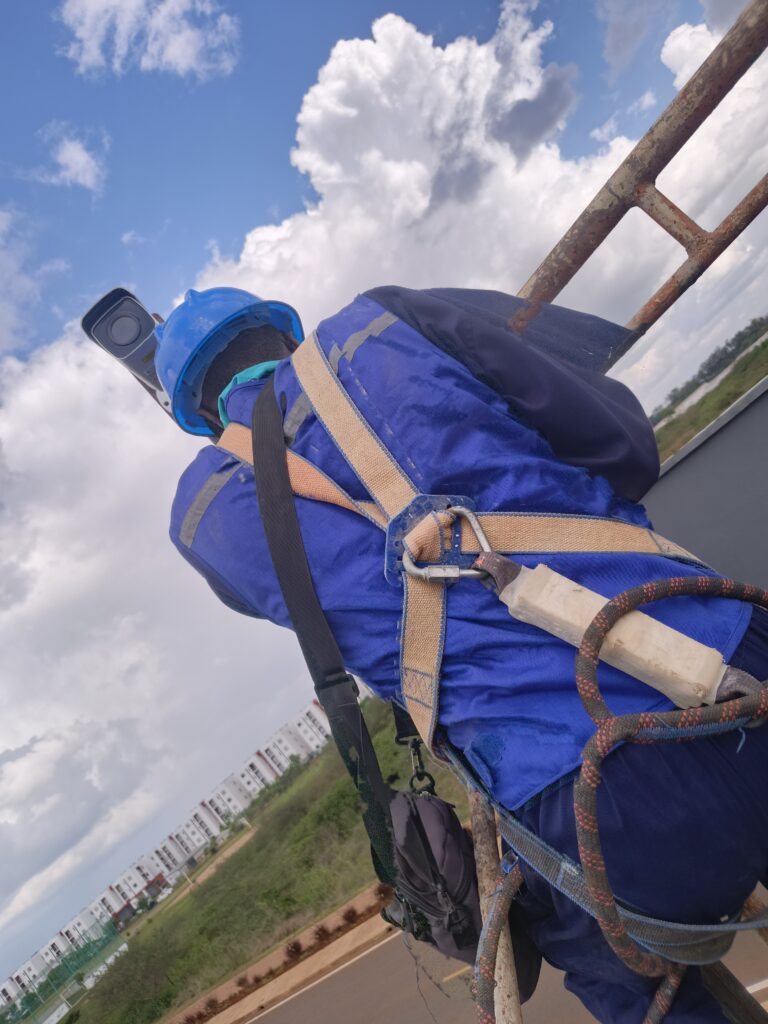
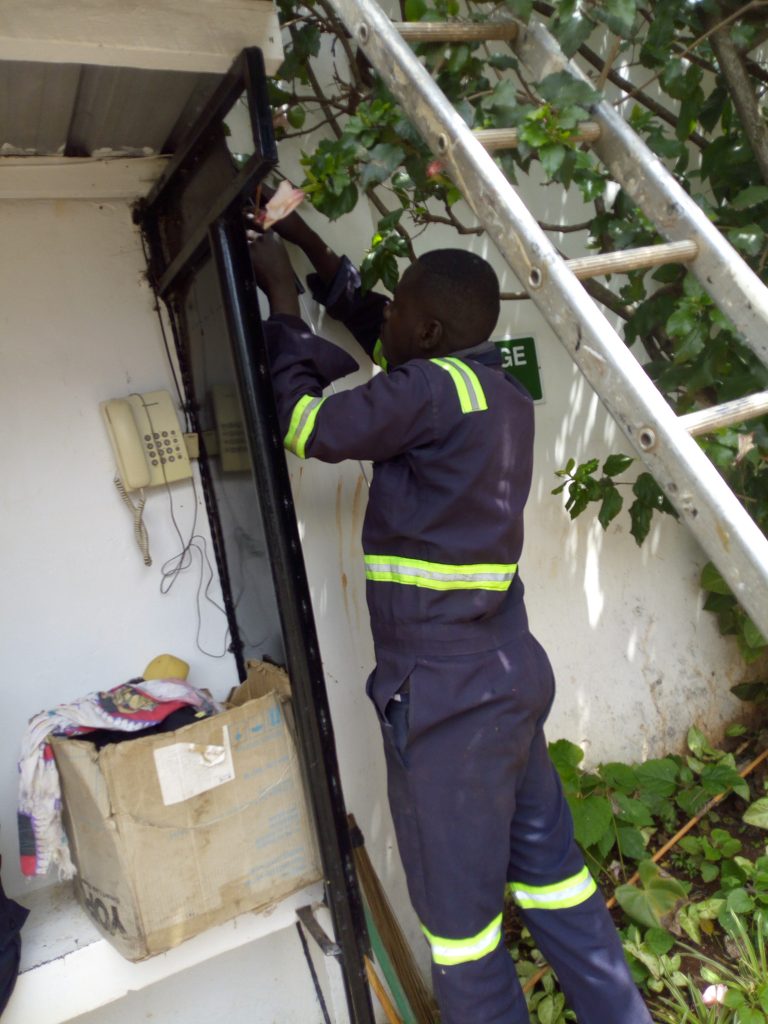
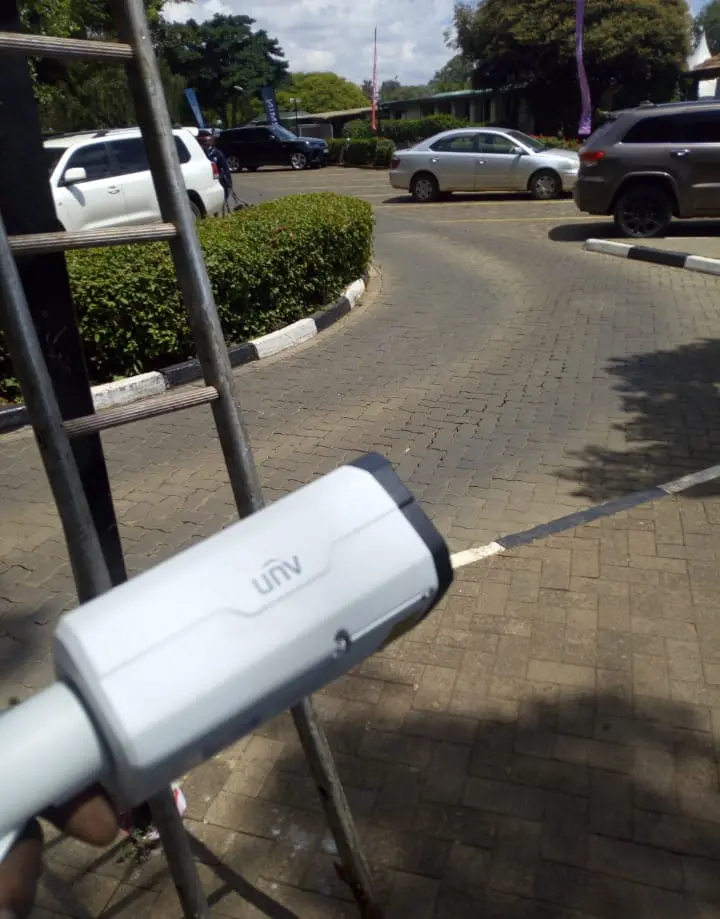
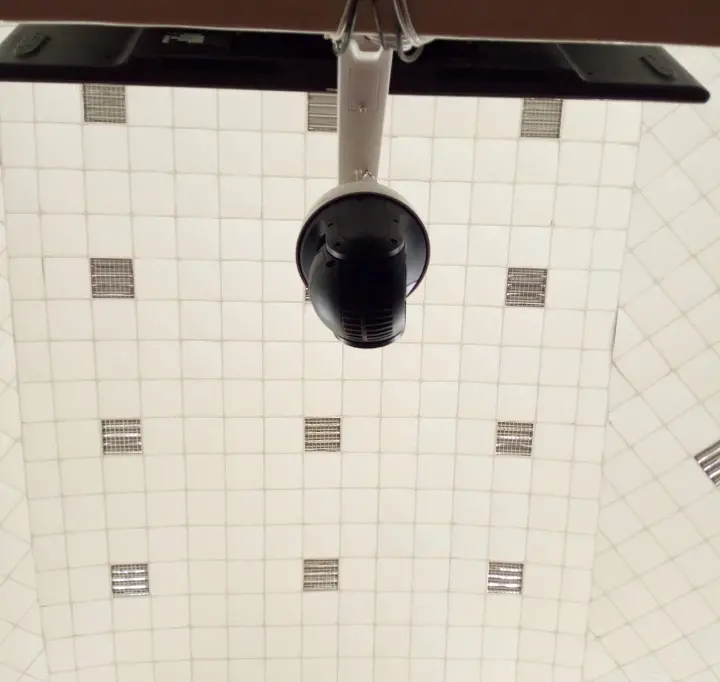
Recently, a customer from Kinangop contacted us requesting CCTV remounting services after removing her cameras during gypsum ceiling installation. According to her, the work sounded simple.
“It’s just fixing the cameras back.”
But when our technician arrived on site, the situation was completely different.
What the Technician Found on Site
After inspection, several problems were discovered:
- Some CCTV cables had been cut completely by the gypsum installers.
- Some cable joints had already been sealed inside the gypsum.
- Several cable routes were inaccessible.
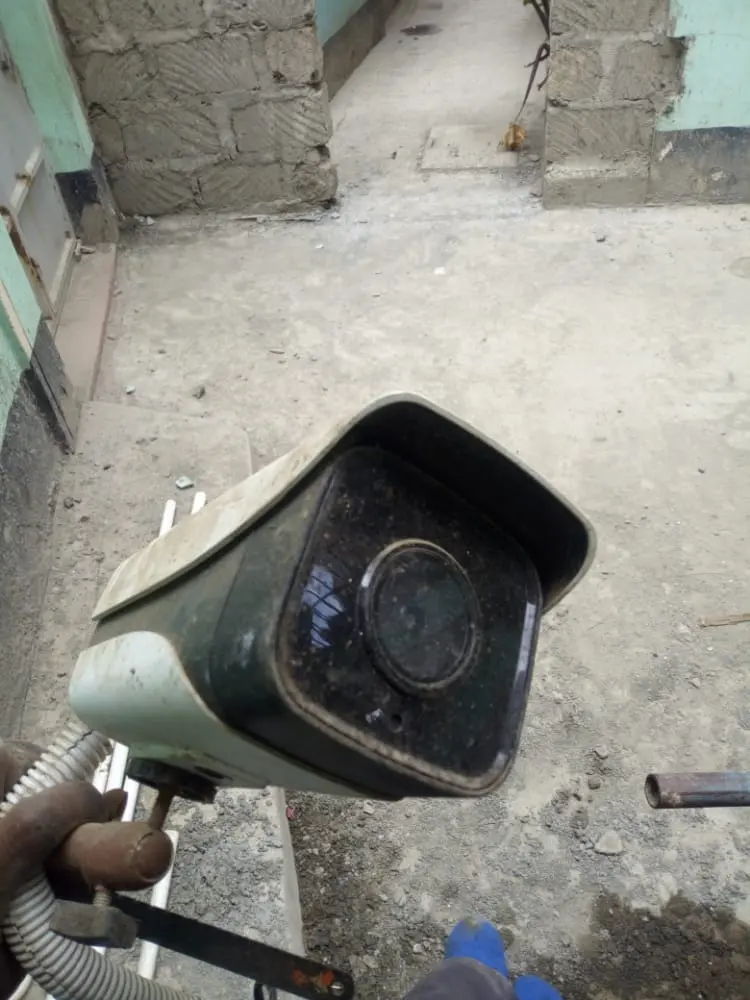
- Existing underground analog CCTV cables had developed short circuits.
- Some cameras could no longer receive video signal or power properly.
At that point, the work was no longer “just mounting cameras back.”
It became:
- Fault tracing.
- Cable replacement.
- Rewiring.
- New cable routing.
- Connector replacement.
- Testing and troubleshooting.
The Biggest Problem: CCTV Cables Buried Under Wet Soil
One major issue was that the CCTV analog cables had originally been run under the soil around the compound.
When the installation was first done, we had advised against this method because of Kinangop’s environmental conditions.
Kinangop is known for:
- Heavy rains.
- Cold temperatures.
- Wet ground conditions.
- High moisture levels.
Unfortunately, the advice was ignored.
After about one year, the underground cables had already started developing problems due to moisture exposure and cable deterioration.
Why Running CCTV Cables Underground Is Risky
Many property owners assume burying CCTV cables underground makes the installation look cleaner and neater.
However, unless proper underground-rated conduit protection is used, this can create serious long-term problems.
Common underground cable issues include:
Moisture Damage
Water slowly enters cable joints and damages signal transmission.
Short Circuits
Wet soil can affect poorly protected cables and connectors.
Signal Loss
Analog CCTV systems are very sensitive to cable quality and interference.
Difficult Maintenance
Once cables are buried and landscaping is completed, repairs become expensive and time-consuming.
Rodent Damage
Underground cables are also vulnerable to damage from rodents and insects.
Why Expert Advice Is Important During CCTV Installation
Professional CCTV installers do not make recommendations to complicate projects or increase costs unnecessarily.
Most recommendations come from:
- Previous installation experience.
- Environmental understanding.
- Long-term reliability concerns.
- Safety considerations.
- Maintenance experience.
Sometimes clients focus only on:
- Reducing visible cabling.
- Lower installation cost.
- Faster completion.
- Aesthetic appearance.
But some shortcuts eventually lead to:
- Rewiring costs.
- Frequent faults.
- Poor camera performance.
- Expensive maintenance.
- Complete system failure.
The Hidden Cost of Ignoring Technical Advice
In many cases, the money saved during installation becomes much smaller than the repair cost later.
For example:
- A cheaper cable route today may require full rewiring next year.
- Poor connector protection can damage DVR channels.
- Moisture can destroy power supply units.
- Hidden cable joints become impossible to troubleshoot later.
This is especially common in:
- Rural installations.
- Large compounds.
- Farms.
- Maisonettes.
- Perimeter wall installations.
Why Gypsum Work Often Affects CCTV Systems
Gypsum installers and interior contractors sometimes:
- Cut cables accidentally.
- Seal junctions inside ceilings.
- Remove labels.
- Disconnect power supplies.
- Relocate conduits incorrectly.
Before gypsum or renovation work begins, it is always advisable to:
- Involve the CCTV technician.
- Label all cables.
- Disconnect sensitive equipment properly.
- Plan access points.
- Protect cable routes.
This prevents expensive repairs later.
Best Practices for CCTV Cabling
For long-lasting CCTV installations, professionals recommend:
- Using proper conduit protection.
- Avoiding direct underground cable burial.
- Using weather-resistant junction boxes.
- Separating power and video cables correctly.
- Avoiding hidden inaccessible joints.
- Using quality copper cables.
- Planning future maintenance access.
A clean installation should also remain serviceable in the future.
CCTV Installation in Cold and Wet Areas Like Kinangop
Areas with cold weather and moisture require extra care during installation.
Proper solutions may include:
- UV-protected conduits.
- Waterproof cable routing.
- Elevated cable pathways.
- Outdoor-rated connectors.
- Moisture-resistant junction boxes.
Environmental conditions always affect CCTV system lifespan.
Sometimes customers believe technicians are exaggerating installation requirements, yet most professional recommendations are based on practical field experience.
A CCTV system is an investment meant to protect property for years. Poor cable routing and shortcuts during installation can easily turn a good security system into a maintenance problem.
In many situations, following expert advice during the first installation saves more money, time, and frustration in the future.