
Why Apartment Residents Find Their Parking Spaces Occupied and How Smart Parking Management Can Help.

Apartment Parking Problems: Why Your Parking Space May Be Occupied and How to Prevent It.
Finding someone else’s vehicle parked in your assigned apartment parking space can be frustrating. You arrive home expecting to use the bay allocated to your apartment, only to find another car occupying it. You may have to call security, contact the property manager, look for the vehicle owner or park somewhere else.

This is not simply a problem of bad parking. Across apartment buildings, residential estates and gated communities, parking problems can be caused by unclear allocation, residents with multiple vehicles, visitor parking abuse, unauthorised vehicles, weak enforcement and the absence of proper vehicle identification systems.
In Kenya, apartment parking disputes have been reported where residents have returned home to find their numbered parking spaces occupied by another resident’s vehicle. In one example, a resident found a neighbour’s second vehicle occupying their designated parking space and eventually had to park on the pavement. Similar complaints are also common in apartment communities, where residents report other vehicles repeatedly occupying their assigned spaces.
1. Someone parks in another resident’s assigned parking space
This is the most obvious apartment parking problem. An apartment may have a designated bay, such as Bay A12, allocated to Apartment 2A. The resident returns home and finds another vehicle parked there. Sometimes the driver genuinely made a mistake. In other cases, someone may have seen an empty space and assumed it was available. The problem becomes particularly frustrating when the same parking bay is repeatedly occupied. A properly managed apartment parking system should make it clear which parking bay belongs to which apartment and, where necessary, physically prevent unauthorised use.
2. A resident has more vehicles than their allocated parking spaces
Some apartments have one or two allocated parking spaces but residents own additional vehicles. The extra vehicle may end up in visitor parking, an unassigned area or, eventually, somebody else’s parking space. This creates a chain reaction. One resident uses a visitor bay for a second vehicle. A genuine visitor cannot find a space. The visitor parks somewhere else, potentially creating another parking problem.
3. Residents use visitor parking as permanent parking
Visitor parking is intended for guests, but it can easily become overflow parking for residents. A resident may leave a second vehicle in a visitor bay for several days because they do not have enough allocated parking. When genuine visitors arrive, they may find that most or all visitor spaces are already occupied. This is one reason apartment developments need clear visitor parking rules and, for larger properties, a way of registering and monitoring visitor vehicles.
4. A visitor unknowingly parks in a resident’s space
Not every parking violation is intentional. A visitor entering an apartment for the first time may see an empty bay and assume that it is available. The problem can be worse when parking numbers are faded, poorly positioned or difficult to understand. Good signage, clearly marked bays and visitor guidance can reduce these mistakes.
5. Parking allocation is unclear
Some apartment parking disputes are caused by poor records rather than deliberate misuse. A resident may be told that one bay belongs to their apartment while another resident believes they have the right to use it. Previous occupants may have used a different space, parking bays may have been renumbered, or property records may not have been updated. Apartment management should maintain accurate records showing which parking spaces are allocated to which apartments and, where applicable, which vehicles are authorised to use them.
6. Someone uses a neighbour’s space because it is usually empty

An empty parking space does not necessarily mean that it is available. A resident may notice that a neighbour is away or rarely uses their parking bay and begin using it temporarily. What starts as occasional parking can become regular or overnight parking. This is particularly problematic because the rightful user may return unexpectedly and find their space occupied.
7. Visitors stay longer than expected
A visitor may come for a few hours but remain overnight or for several days. Without a proper visitor-registration system, management may have difficulty determining whether the vehicle is still legitimately authorised to remain on the property. For larger apartment developments, visitor access can be linked to the apartment being visited and a permitted period. Once that permission expires, the vehicle can be flagged for attention.
8. Unauthorised vehicles enter the property
Some parking problems start at the main gate. If vehicle access is poorly controlled, an unauthorised vehicle can enter the compound and search for an available parking space. It could be a non-resident, former resident, contractor, visitor or someone who simply gained access behind another vehicle. Automatic barriers combined with vehicle identification can provide greater control over who enters and exits.

9. Security guards cannot identify every vehicle
Security guards play an important role in apartment security, but it is difficult for a guard to remember every vehicle in a large development.
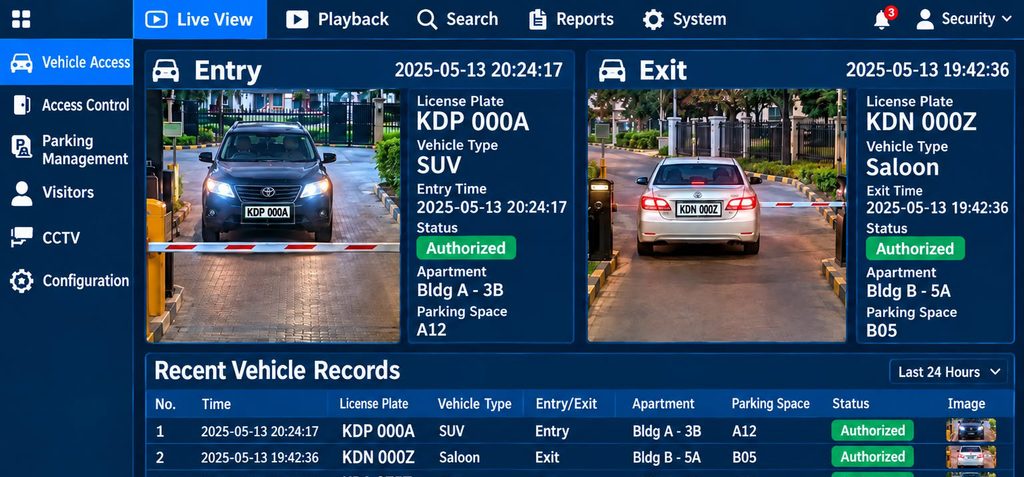
Consider an apartment complex with hundreds of residents and vehicles. When a car enters late at night, the important questions may be: Which apartment does it belong to? Is the vehicle registered? Is it authorised to enter? Which parking space is assigned to that apartment? Technology can supplement security personnel by creating an electronic record of vehicle movements.
10. Vehicle records become outdated
Residents change vehicles. A car is sold, a new one is purchased, a company vehicle is replaced or a tenant moves out. If the property’s vehicle database is not updated, the old vehicle may remain associated with an apartment while the new vehicle encounters access problems. A modern parking-management system should make it possible to update authorised vehicles as residents and circumstances change.
11. Vehicles enter by following another vehicle through the gate
Tailgating can allow an unauthorised vehicle to enter immediately behind an authorised vehicle while the barrier is open. The first vehicle may be legitimate, but the second vehicle may not be. Depending on the system, combining vehicle detection with LPR, UHF or other identification technology can help improve vehicle-by-vehicle access control.
12. There is no reliable record of vehicle entry and exit
When a parking dispute occurs, management may need to establish when a vehicle entered the property. If the only record is a handwritten security register, finding the relevant information can take time. A properly configured parking system can record vehicle registration, entry time, exit time and access events, depending on the technology used.
13. CCTV records the problem but does not prevent it
Many apartment developments already have CCTV cameras. CCTV is valuable because it can provide visual evidence of vehicles entering, exiting and parking. However, CCTV and parking control are not the same thing. A camera can show that a vehicle parked in Bay A12, but it does not necessarily stop that vehicle from taking the space. Combining CCTV with parking locks, barriers, LPR, UHF or other access-control technologies can provide a more complete solution.
14. Property managers spend too much time resolving parking complaints
Parking disputes can consume considerable management and security time. A resident reports an occupied parking space. Security checks the area. Management tries to identify the vehicle owner. Calls are made. Another resident becomes involved. When the same problem happens repeatedly, manual enforcement becomes inefficient. A parking-management system can automate some of the identification and record-keeping processes and give management better information when dealing with complaints.
15. Parking disputes become neighbour disputes
A parking problem can quickly become a personal dispute. One resident finds another vehicle in their assigned bay. The vehicle owner says they thought the space was available. The rightful owner becomes frustrated. Security or management is called. Clear parking allocation, controlled access, physical parking-space protection and reliable records can reduce the need for residents to confront each other directly.
How Can Apartments Protect Assigned Parking Spaces?
There is no single parking solution for every apartment development. A property with 20 apartments and one entrance will have different requirements from a residential estate with hundreds of apartments, multiple entrances, underground parking and several visitor parking areas. For an individual assigned parking bay, an automatic parking lock can be a practical solution.
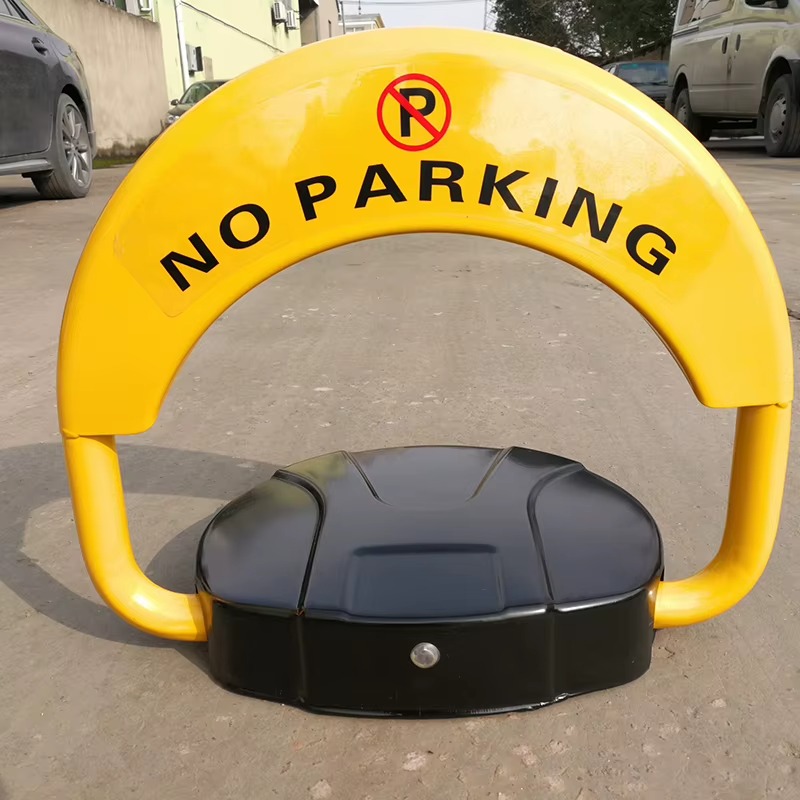
Boardtac Solutions supplies and installs the ZKTeco Plock 2, a second-generation automatic parking lock designed to help users manage and protect their private parking spaces. Unlike traditional parking locks that require the user to manually raise and lower the locking mechanism, the Plock 2 is designed for automatic operation. The system uses a vehicle-side sensing arrangement, including a sensor placed in the vehicle’s cigarette-lighter receptacle, to control the parking lock. ZKTeco describes Plock 2 as a private parking manager. For an apartment where a particular parking bay is allocated to one resident, the parking lock can provide an additional physical layer of protection. When the authorised resident is away, the lock can remain raised, helping discourage another driver from treating the space as an available parking bay. The Plock 2 is therefore particularly relevant where the problem is not the entire parking compound but individual residents repeatedly finding their allocated parking spaces occupied.
Automatic Parking Barriers for Apartment Entrances
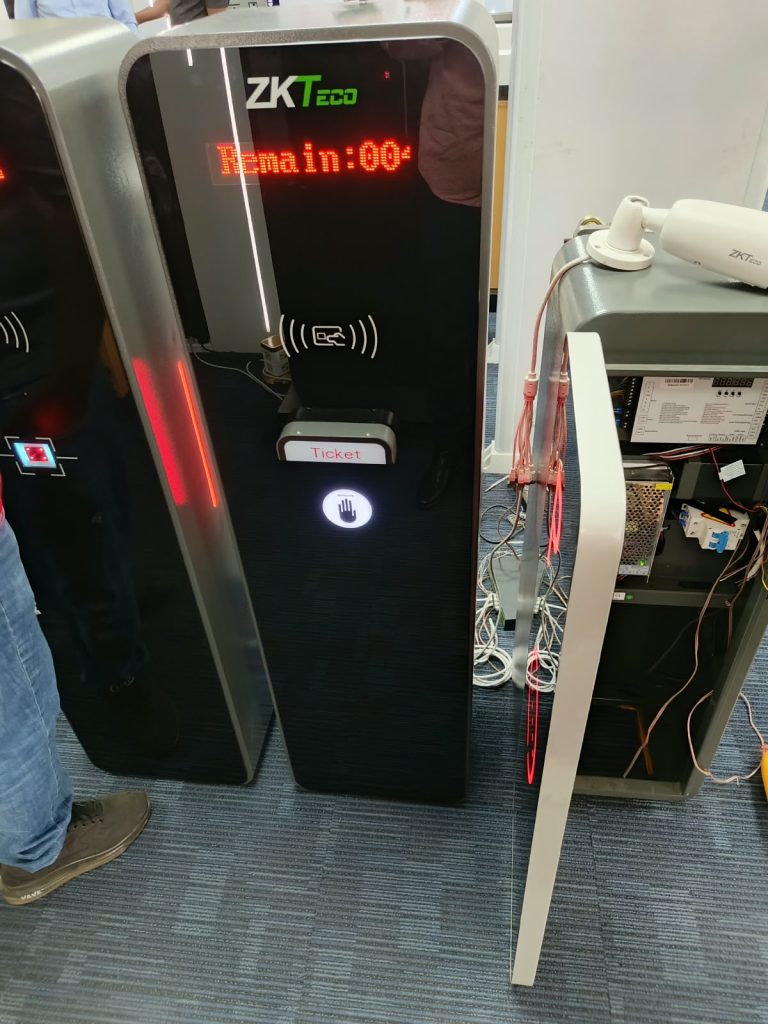
When the problem involves the entire property rather than one parking bay, an automatic parking barrier may be more appropriate. A barrier can control vehicle entry and exit at the main gate. It can be combined with access-control technologies such as LPR, UHF/RFID, vehicle detection, cards, remote controls or other identification methods. For example, an authorised resident’s vehicle can be identified before the barrier opens, while an unregistered vehicle can be directed to security or visitor registration. Boardtac Solutions supplies and installs automatic parking barriers and vehicle access-control systems for apartments, residential estates, offices, commercial properties and other controlled parking environments in Kenya.
License Plate Recognition for Apartment Parking
License Plate Recognition, commonly known as LPR or ANPR, can identify vehicles using their registration plates. For example: Vehicle KDA 000A → Registered resident → Authorised → Access permitted. Another vehicle: Vehicle KCB 000B → Not registered → Verification required. LPR can reduce reliance on manually checking vehicles at the gate and can create records of vehicle movements. Depending on the selected equipment and configuration, vehicle identification systems can also provide additional information about the vehicle. For apartment developments with many residents, LPR can be particularly useful where management wants to associate registered vehicles with specific apartments or residents.
UHF and RFID Vehicle Access
UHF and RFID technologies provide another method of identifying authorised vehicles. An authorised vehicle can be associated with a registered tag, allowing the system to identify the vehicle when it approaches the entrance. This can be convenient for residents who enter and leave the property frequently. The correct technology depends on the property’s layout, access distance, traffic volume and security requirements.
Visitor Parking Management
Resident parking and visitor parking should not be treated as exactly the same thing. A properly planned system can distinguish between residents, visitors, staff, contractors, delivery vehicles and temporary vehicles. Visitor management can record the apartment being visited, vehicle registration, date and permitted access period. This can help reduce the problem of visitors overstaying or residents using visitor parking as permanent parking. For larger apartment developments, visitor parking management can be integrated with the main vehicle-access system.
Parking Management Software
Physical equipment is only one part of a modern parking system. For a larger residential development, parking-management software can provide a central view of vehicle activity and parking information. Depending on the selected system, management may be able to monitor registered vehicles, visitor vehicles, vehicle entries and exits, access permissions, parking events and historical records. This makes it easier to investigate parking complaints and maintain an organised vehicle database.
CCTV for Apartment Parking Areas
CCTV remains an important part of apartment parking security. Cameras can be positioned to monitor vehicle entrances, exits, parking aisles, visitor bays, assigned parking areas, pedestrian routes and other critical locations. However, camera positioning matters. The objective should be useful coverage of vehicle movement and parking activity rather than simply installing cameras wherever it is convenient.
A Complete Apartment Parking System
For some properties, the best approach is to combine several technologies. At the entrance, an apartment development might use LPR or UHF vehicle identification, an automatic barrier, vehicle detection and CCTV. Within the property, individual assigned parking spaces may use automatic parking locks where physical protection is required. Visitor parking can use registration and temporary access management. Management can use parking software and access records to monitor vehicle activity. This creates a complete parking-management environment rather than relying on signs and manual security registers.
Which Parking Solution Is Suitable for Your Apartment?
The appropriate solution depends on the specific problem. If residents repeatedly find their individual assigned bays occupied, an automatic parking lock such as ZKTeco Plock 2 may be appropriate. If unauthorised vehicles are entering the compound, an automatic parking barrier combined with vehicle identification may be more suitable. If management needs to identify vehicles automatically, LPR or UHF/RFID can be considered. If visitor parking is being abused, visitor registration and time-controlled access can help. If management needs evidence and historical records, CCTV and parking-management software can complement the access-control system. In larger developments, several of these technologies can work together.
Why a Site Survey Is Important
Before installing parking equipment, the actual parking environment should be assessed. A professional site assessment should consider the number of apartments, number of parking spaces, number of allocated and visitor bays, number of vehicles, entrance and exit points, traffic flow, existing CCTV, available power and network infrastructure, security procedures and the level of control required. This helps prevent the common mistake of purchasing equipment first and discovering later that it does not suit the property.
Boardtac Solutions for Apartment Parking Management in Kenya
Boardtac Solutions supplies and installs parking and vehicle-access solutions for apartments, gated communities, residential estates, offices, hotels, commercial properties and other facilities in Nairobi and across Kenya. Our solutions can include ZKTeco Plock 2 automatic parking locks, automatic parking barriers, LPR/ANPR cameras, UHF/RFID vehicle identification, visitor-management systems, parking-management software, CCTV, vehicle detection, access control, intercoms and related security infrastructure. The objective is not simply to install a barrier or sell a parking lock. The system should address the actual parking problem at the property. For an apartment with individual assigned bays, that may mean protecting each bay with an automatic parking lock. For a large residential estate, it may mean combining LPR, UHF, automatic barriers, visitor management, CCTV and parking software. The right solution depends on the site’s layout, parking allocation, number of vehicles and management requirements.
Stop Treating Apartment Parking as Just a Space Problem
Apartment parking problems are often treated as a shortage-of-space issue, but even properties with sufficient parking can experience disputes when spaces are poorly allocated, visitor parking is abused or vehicles cannot be properly identified. A resident should not have to return home and wonder whether someone has taken their assigned parking space. A visitor should be able to identify where they are allowed to park. Security should have a reliable way to identify authorised vehicles. Property managers should have records that help them investigate parking disputes. And individual residents should have practical ways to protect their allocated parking spaces. That is where modern parking management can make a difference. Boardtac Solutions can assess your apartment or residential development and recommend a parking system based on the actual site requirements, whether you need individual parking locks such as the ZKTeco Plock 2, automatic barriers, LPR vehicle identification, UHF/RFID access, visitor parking management, CCTV or an integrated apartment parking-management solution.