Kenya Launches Instant Traffic Fines System: A New Era in Road Safety and Digital Enforcement.
Road safety has long troubled Kenya, with thousands dying yearly from traffic accidents and reckless driving. In response to this crisis, the National Transport and Safety Authority (NTSA) recently announced the Instant Fines Traffic Management System. This digital platform automatically detects traffic violations and issues penalties to motorists.

The system modernizes road safety enforcement in Kenya. It combines smart surveillance cameras, automated data processing, and digital communication tools to detect traffic offences and notify motorists instantly. The initiative follows a directive from William Ruto, who instructed the Ministry of Transport to accelerate automated traffic enforcement as part of broader reforms to improve road safety and reduce corruption within traffic policing.
This development shifts traditional manual traffic enforcement toward a more transparent, technology-driven approach.
Understanding the Instant Fines Traffic Management System.
The Instant Fines Traffic Management System automatically detects and processes traffic violations without physical interaction between motorists and traffic police officers.
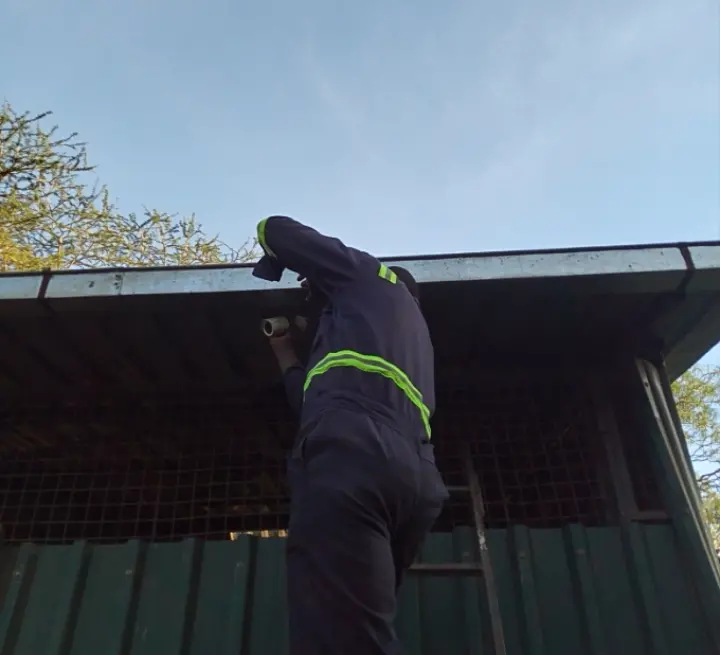
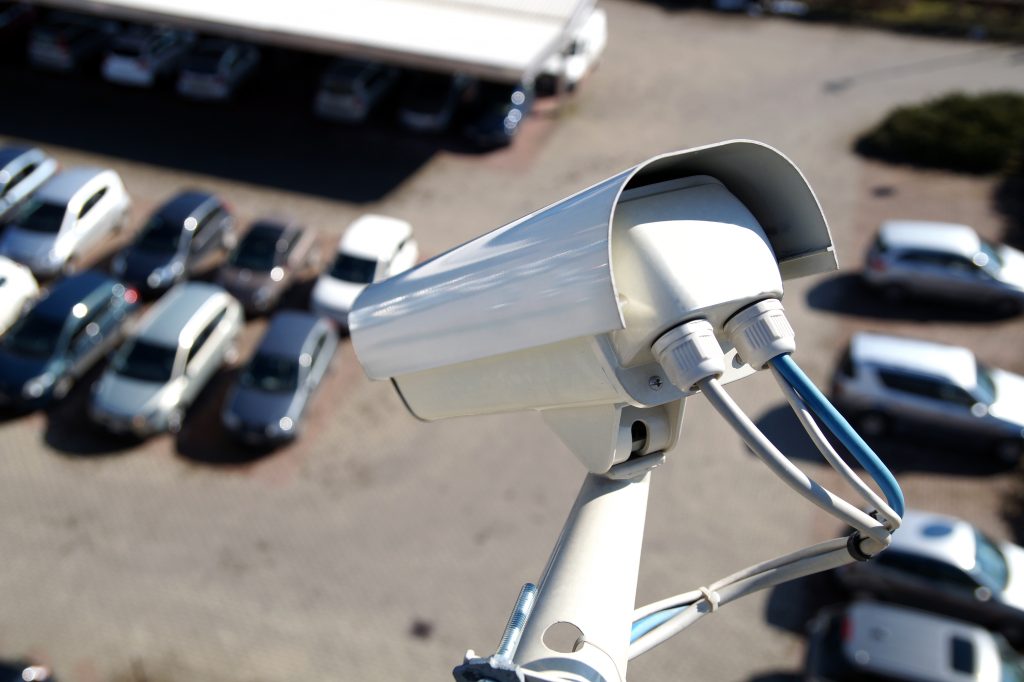
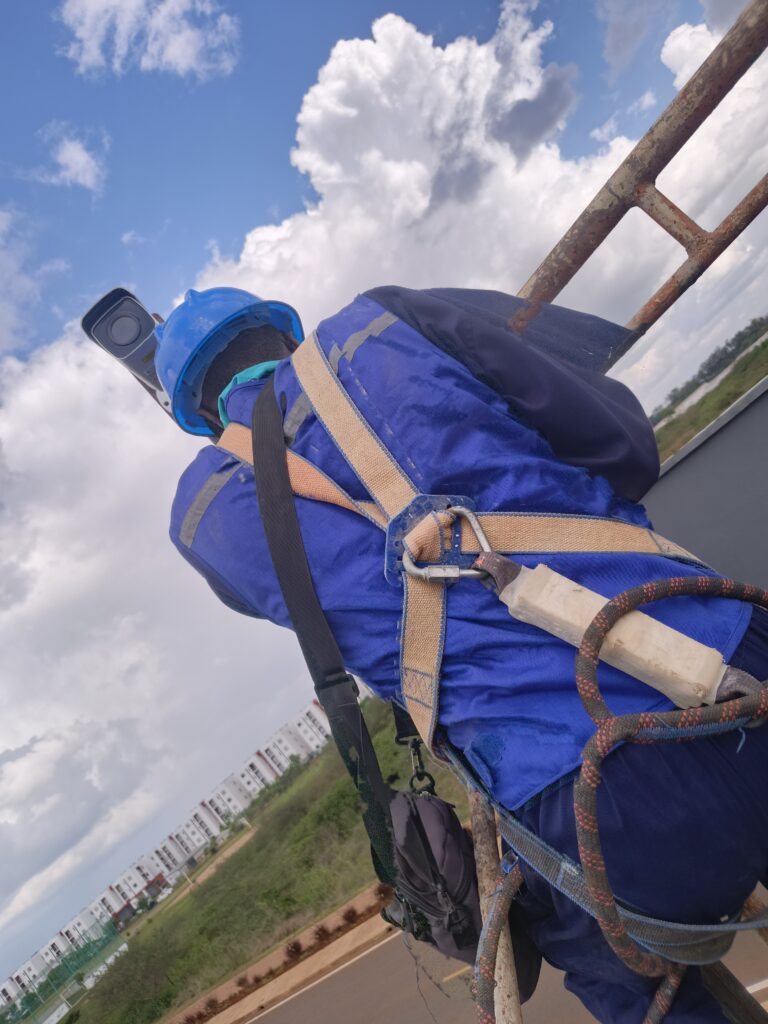
Surveillance cameras on major roads and intersections capture vehicle movements and detect violations such as speeding, running red lights, illegal parking, or driving in restricted lanes. These cameras use Automatic Number Plate Recognition (ANPR) technology to identify vehicle registration numbers.
When the system detects a violation, it automatically retrieves the registered owner’s details from the NTSA database. The motorist then receives an SMS notification informing them of the offence, location, and fine amount.
According to the National Transport and Safety Authority, the entire process operates through a fully automated digital workflow, eliminating manual processing and minimizing human intervention. This approach enhances transparency and reduces corruption opportunities in traffic enforcement.
How the System Works.
The Instant Fines Traffic Management System operates through several integrated components:
1. Road Surveillance Cameras.
High-definition traffic cameras monitor major highways, urban roads, and key intersections continuously, recording violations in real time.
2. Automatic Number Plate Recognition.
Advanced software reads and captures vehicle number plates, allowing the system to accurately identify vehicles involved in traffic offences.
3. Automated Violation Processing.
When the system records a violation, it automatically processes the evidence and generates a traffic violation notice.
4. SMS Notification to Motorists.
The system sends an SMS notification directly to the motorist’s registered phone number, providing offence details and payment instructions.
5. Fine Payment.
Motorists must settle the fine within seven days through authorized banking channels such as KCB Group branches.
Failure to pay within the stipulated time may result in additional penalties or restrictions on accessing certain NTSA services, including vehicle registration or licence renewal.
The Government’s Push for Digital Traffic Enforcement.
The instant fines system rollout followed strong influence from William Ruto, who emphasized faster implementation of digital traffic enforcement technologies.
During a high-level road safety meeting under the National Council on the Administration of Justice, the President expressed frustration over delays in implementing reforms to address Kenya’s growing road safety crisis.
He urged the Ministry of Transport to quickly deploy traffic surveillance cameras across major urban centers and highways.
According to the government, the system will play a critical role in reducing direct contact between motorists and traffic police officers — a move that curbs bribery and improves accountability.
Addressing Corruption in Traffic Enforcement.
Corruption in traffic policing has long plagued Kenya. Motorists often report cases where traffic officers demand unofficial payments instead of issuing formal traffic fines.
By automating traffic enforcement, the government hopes to eliminate bribery opportunities. Since the system detects and processes violations digitally, there is minimal opportunity for manipulation or negotiation between motorists and enforcement officers.
This shift toward automated enforcement reflects broader government efforts to digitize public services and reduce corruption across government institutions.
Tackling Kenya’s Road Safety Crisis.
Kenya continues to face a serious road safety challenge. Government statistics indicate that the country records over 4,000 road deaths every year, with thousands more suffering life-changing injuries from road accidents.
Recent reports showed road fatalities exceeding 5,000 deaths in a single year, highlighting the urgent need for stronger enforcement measures.
Road crashes also carry significant economic consequences. Estimates suggest that accidents cost the Kenyan economy approximately Sh450 billion annually — roughly five percent of the country’s Gross Domestic Product.
By introducing automated enforcement systems, the government aims to promote responsible driving behavior and reduce accidents caused by speeding, reckless driving, and traffic violations.
Proposed Reforms to the Traffic Act.
The introduction of instant traffic fines forms part of broader proposals to reform Kenya’s traffic laws. These reforms include amendments to the Traffic Act that would allow certain minor offences to proceed administratively rather than through lengthy court processes.
Key proposed changes include:
- Introduction of administrative penalties for minor traffic offences.
- Implementation of a demerit point system for driving licences.
- Integration of traffic enforcement systems with law enforcement agencies and the judiciary.
These reforms aim to create a more efficient traffic enforcement system while ensuring that serious offences continue through the courts.
Integration with Smart City Technologies.
The instant fines system will likely become part of a larger smart transport infrastructure that integrates traffic cameras, data analytics, and digital communication technologies.
Future developments may include:
- Real-time traffic monitoring systems.
- Integration with police and judicial databases.
- Automated traffic violation evidence storage.
- Deployment of body-worn cameras for traffic officers.
Such technologies already operate widely in developed countries to manage traffic and improve road safety.
Legal Challenges and Temporary Suspension.
Despite its potential benefits, the Instant Fines Traffic Management System rollout has faced legal challenges. Shortly after the announcement, a petitioner filed a court case raising concerns about due process and motorists’ rights to contest automated fines.
The High Court of Kenya subsequently issued an order temporarily suspending automated fines enforcement until the matter proceeds to full hearing and determination.
The case will likely examine issues such as:
- Whether fully automated fines violate constitutional rights.
- Whether motorists receive adequate opportunity to challenge violations.
- The legal framework governing digital traffic enforcement.
The outcome will likely determine how and when the system can achieve full nationwide implementation.
What the Future Holds for Traffic Enforcement in Kenya.
Although the system has faced temporary legal hurdles, the move toward automated traffic enforcement reflects a broader global trend in road safety management.
Countries worldwide increasingly adopt smart surveillance technologies to monitor roads, detect violations, and enforce traffic laws more efficiently.
For Kenya, the Instant Fines Traffic Management System could mark the beginning of a new era in traffic management — one where technology plays a central role in ensuring safer roads and more accountable enforcement.
If successfully implemented, the system could significantly reduce corruption, improve compliance with traffic regulations, and ultimately save thousands of lives each year.
Conclusion.
The National Transport and Safety Authority’s introduction of the Instant Fines Traffic Management System signals a major shift in how Kenya enforces traffic laws. By leveraging digital technologies such as automated cameras and SMS notifications, the government aims to create a transparent, efficient, and corruption-free traffic enforcement system.
While legal challenges may delay full implementation, the initiative highlights Kenya’s commitment to modernizing road safety management and addressing the growing number of road accidents across the country.
As discussions continue and reforms evolve, one thing remains clear: technology will play a central role in shaping the future of road safety in Kenya.
Sources and References.
This article is based on official government announcements and credible media reports regarding the rollout of the Instant Fines Traffic Management System in Kenya.
- National Transport and Safety Authority Announcement – Instant Fines Traffic Management System
The NTSA announced that the Instant Fines Traffic Management System is now operational and will automatically send traffic violation notifications to motorists via SMS when traffic offences are detected by surveillance cameras.
Source:
https://www.the-star.co.ke/news/2026-03-09-ntsa-rolls-out-instant-traffic-fines-system - Automated System and Payment Procedures
The system operates through a fully automated process without human intervention. Motorists who receive violation notices must pay the fine within seven days through the banking network of KCB Group. Failure to settle fines may result in additional penalties and restricted access to NTSA services.
Source:
https://www.kbc.co.ke/instant-fines-for-motorists-as-ntsa-management-system-goes-live/ - Presidential Directive to Strengthen Road Safety
The rollout follows a directive by William Ruto, who instructed the Ministry of Transport and NTSA to accelerate the deployment of smart traffic cameras and automated enforcement systems to reduce corruption and improve road safety across Kenya.
Source:
https://www.kenyans.co.ke/news/121288-ruto-orders-ntsa-rollout-smart-cameras-instant-fine-system-all-cities-one-month - Road Safety Statistics and Economic Impact
Kenya records more than 4,000 road deaths annually, with road accidents costing the economy approximately Sh450 billion per year, which represents about 5% of the country’s GDP.
Source:
https://www.the-star.co.ke/news/2026-02-25-ntsa-to-install-1000-speed-cameras-roll-out-instant-digital-fines/ - Technology Behind the Instant Fines System
The system uses AI-enabled smart cameras with Automatic Number Plate Recognition (ANPR) technology to detect traffic violations, identify vehicles from the NTSA database, and send automated SMS notifications to motorists.
Source:
https://www.capitalfm.co.ke/news/2026/03/ntsa-instant-traffic-fines-sms-system/ - Court Suspension of the Instant Fines System
The High Court of Kenya temporarily suspended enforcement of the automated traffic fines system following a constitutional petition challenging its legality.
Source:
https://www.the-star.co.ke/news/2026-03-12-court-halts-ntsas-instant-fines-system