Why Electricians Should Not Design CCTV Network Conduits Without Structured Cabling Experience
Many building owners assume that once conduit pipes are installed, CCTV camera installation becomes easy. Unfortunately, this is one of the biggest mistakes affecting CCTV projects in schools, offices, apartments, hospitals, and commercial buildings across Kenya.
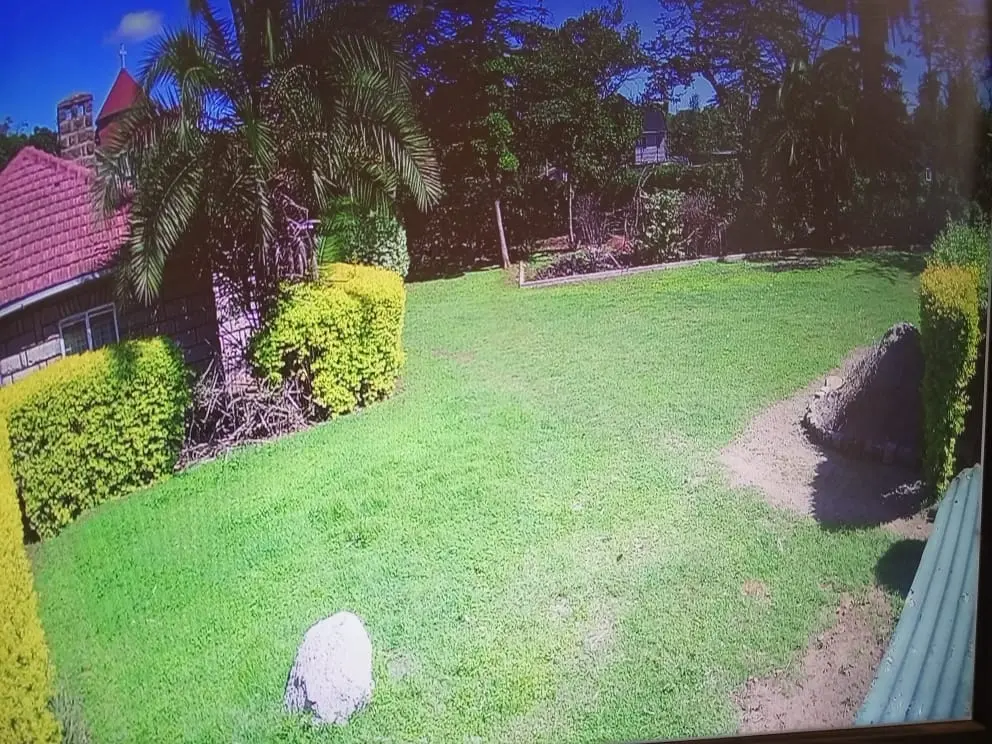
A recent CCTV installation project in Isinya exposed a very common problem in the construction industry. The school management informed us that electricians had already completed all the conduit piping for the CCTV camera system. On paper, the project looked ready for camera installation.
However, once our team arrived on site, we discovered serious routing problems that would have affected the entire CCTV system performance.
The electricians had installed CCTV conduits the same way normal electrical wiring is done. Instead of designing direct routes from camera points to the control room, the conduits were connected from classroom to classroom, some moving upstairs before coming back downstairs, while others passed through multiple unnecessary junctions.
By the time some conduits reached the furthest camera points, the cable distance had already exceeded the recommended limit for stable CCTV network transmission.
This is one of the biggest differences between electrical wiring and structured network cabling.
CCTV Wiring Is Different From Electrical Wiring
Electrical wiring and CCTV network cabling follow completely different design principles.
Electrical installations mainly focus on distributing power from one point to another. CCTV systems, IP cameras, access control systems, intercoms, and data networks require proper structured cabling design to ensure stable communication, signal quality, and future maintenance.
Poor conduit routing can affect:
- Camera stability.
- Video quality.
- Power over Ethernet (PoE) performance.
- Network communication.
- Future maintenance.
- Expansion of the CCTV system.
Many electricians are highly skilled in electrical work, but structured network installations require specialized planning and experience.
Common CCTV Conduit Mistakes Done During Construction
1. Excessive Cable Distances
Network cables such as Cat6 and Cat5e have recommended distance limits. Poor conduit routing can make the cable path much longer than necessary, causing signal loss and unstable cameras.
2. Too Many Junctions and Bends
Every unnecessary bend or junction box increases cable pulling difficulty and future maintenance challenges.
3. Shared Conduits With Electrical Wiring
Running CCTV network cables together with power cables can introduce interference and affect camera performance.
4. Poor Access for Maintenance
Some conduit routes are designed without considering future troubleshooting or cable replacement.
5. Lack of Dedicated Routes
CCTV systems require properly planned backbone routes to the control room or network rack. Randomly joining conduits from one building section to another creates unnecessary complexity.
Why Proper Structured Cabling Planning Matters
A professionally planned CCTV infrastructure should include:
- Direct conduit routing.
- Proper cable distance calculations.
- Dedicated network pathways.
- Proper separation from electrical lines.
- Accessible inspection points.
- Expansion considerations for future cameras.
- Proper switch and network cabinet positioning.
A good CCTV installation starts with proper infrastructure planning before the first pipe is installed.
The Cost of Poor CCTV Conduit Planning
Improper conduit installation can lead to:
- Rewiring costs.
- Delayed projects.
- Unstable CCTV cameras.
- Additional labor charges.
- Damaged cables during pulling.
- Poor video transmission.
- Increased maintenance costs.
In many projects, installers are forced to redesign conduit routes after construction is complete, increasing both time and cost.
Why Structured Cabling Professionals Should Be Involved Early
Before conduit work begins for:
- CCTV systems.
- Office networking.
- Fiber installations.
- Access control systems.
- Intercom systems.
- WiFi infrastructure.
A structured cabling specialist should assess the building layout and design the correct pathways.
This prevents costly mistakes and ensures the infrastructure supports reliable network performance for many years.
Professional CCTV and Structured Cabling Services in Kenya
At Boardtac Solutions, we provide professional CCTV installation and structured cabling services for:
- Schools.
- Offices.
- Apartments.
- Hospitals.
- Warehouses.
- Commercial buildings.
- Residential homes.
We design proper network infrastructure for stable, scalable, and professional CCTV installations across Nairobi and other parts of Kenya.
A reliable CCTV system is not only about buying good cameras. Proper conduit planning and structured cabling design are what determine the long-term performance of the entire system.