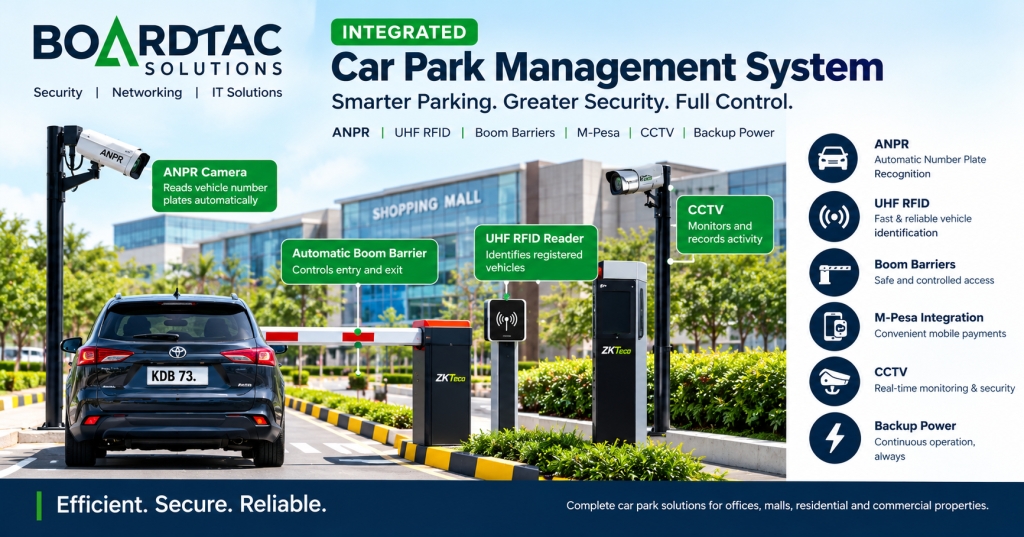
Smart Car Park Management System in Kenya: ANPR, UHF RFID, Boom Barriers, M-Pesa and CCTV Integration
Managing a busy shopping mall, commercial building, hospital, residential development or business park requires more than installing a boom barrier at the entrance. A modern parking facility needs a coordinated system that identifies vehicles, controls entry and exit, records parking activity, manages payments, monitors security and keeps operating during power interruptions.
A smart car park management system in Kenya combines Automatic Number Plate Recognition (ANPR), UHF RFID vehicle identification, automatic boom barriers, parking management software, M-Pesa payment integration, CCTV surveillance, networking and backup power into one integrated solution.
At Boardtac Solutions, we help organisations assess, design and implement integrated parking and vehicle access control systems based on their actual site layout, traffic flow, payment requirements and operational needs.
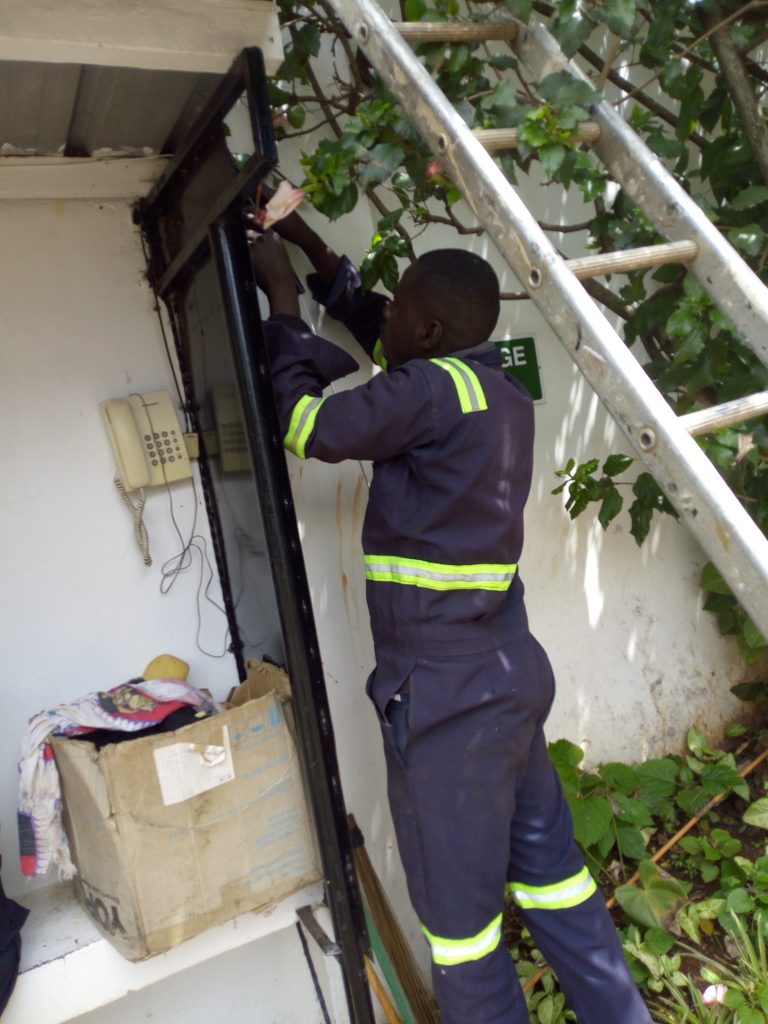
Recently, Boardtac Solutions received an enquiry from the management of a shopping mall along Thika Road seeking a car park management system incorporating ANPR, UHF RFID, automatic boom barriers, parking software, M-Pesa integration, CCTV and backup power. Following the enquiry, we recommended a technical site survey before preparing the final quotation.
This example illustrates an important principle: the right parking management system should be designed around the actual site, rather than selecting equipment and prices before understanding how the parking facility operates.
What Is a Smart Car Park Management System?
A smart car park management system is an integrated solution that automates vehicle identification, parking access, payment processing, entry and exit records, and parking operations.
Instead of relying entirely on guards to inspect vehicles, write down number plates, issue paper tickets or manually confirm payments, the system uses cameras, RFID technology, barriers and software to manage defined parking workflows.
Depending on the configuration, the system can identify registered vehicles automatically, record vehicle entry and exit times, calculate parking charges, receive electronic payment confirmations, operate barriers and provide reports to parking administrators.
A complete installation may include:
- ANPR cameras for automatic number plate recognition.
- UHF RFID readers and vehicle tags for registered vehicles.
- Automatic boom barriers for controlled vehicle entry and exit.
- Vehicle detection loops or other suitable safety sensors.
- Parking management software for vehicle records, tariffs, transactions and reporting.
- M-Pesa integration for electronic parking payments.
- CCTV cameras for monitoring parking lanes and surrounding areas.
- Network switches, cabling and communications equipment.
- UPS systems or other appropriately sized backup power.
- Operator workstations, displays and supporting accessories where required.
Not every car park needs every component. Boardtac Solutions assesses the site and recommends the equipment that suits the facility’s size, operating procedures, security requirements and budget.
How Does an Integrated Parking System Work?
The system works by connecting vehicle identification, access control, parking records and payment processing.
A typical parking workflow follows these steps.
Step 1: A vehicle approaches the entrance. An ANPR camera captures an image of the vehicle’s number plate. The software analyses the image and attempts to read the registration number. Recognition accuracy depends on camera positioning, lighting, plate condition, vehicle speed and other environmental factors.
Step 2: The system identifies the vehicle. For a registered vehicle, the system may use ANPR, a UHF RFID tag or both, depending on the configured access rules. The software checks whether the vehicle is authorised to enter.
Step 3: The entry is recorded. The system records the vehicle identification, date and time, lane and other configured information. For a ticketed or paid-parking facility, it can also create a parking session.
Step 4: The boom barrier opens when authorised. Once the configured access conditions are satisfied, the parking controller or integrated software sends the appropriate command to the boom barrier. Safety sensors help prevent the barrier arm from closing onto a vehicle.
Step 5: The parking session is managed. The system tracks the vehicle’s parking activity according to the facility’s operating rules. Depending on the software, different tariffs can be configured for visitors, tenants, staff, customers or other user categories.
Step 6: Payment is processed where required. For paid parking, the system calculates the applicable charge and initiates or supports the configured payment workflow. With M-Pesa integration, the software can match a confirmed payment to the relevant parking transaction.
Step 7: The exit is authorised. The system checks the applicable exit conditions, such as payment status or an approved vehicle access record. Once authorised, the barrier opens and the exit transaction is recorded.
Step 8: Management reviews reports. Authorised users can review entry and exit records, parking sessions, payment transactions, exceptions and other available reports.
The precise workflow depends on whether the facility offers free parking, paid parking, tenant parking, staff access, visitor parking or a combination of these services.
1. Automatic Number Plate Recognition (ANPR)
ANPR, also known as Automatic Licence Plate Recognition (ALPR), uses a specialised camera and software to capture and interpret vehicle registration plates.
When a vehicle approaches a parking entrance, the ANPR camera captures the plate image. The software converts the image into a readable registration number, which can then be checked against authorised vehicle records or linked to a parking transaction.
What can ANPR do in a shopping mall?
For a shopping mall along Thika Road, ANPR can help automate vehicle identification at the entrance and exit lanes.
Depending on the selected software and configuration, it can support:
- Automatic identification of registered vehicles.
- Entry and exit time recording.
- Vehicle movement history.
- Automatic barrier access for authorised vehicles.
- Parking session creation.
- Integration with parking tariffs and payment workflows.
- Vehicle search and reporting.
- Identification of potential exceptions, such as an unrecognised vehicle.
For example, a mall may register vehicles belonging to management, tenants, employees or approved service providers. When one of these vehicles approaches the entrance, the system can attempt to recognise its number plate and apply the relevant access rules.
Visitors who are not registered can follow a separate workflow, such as creating a parking session on entry and paying before departure.
What affects ANPR accuracy?
ANPR performance depends on more than the camera’s megapixel rating. Important factors include:
- Distance between the camera and the number plate.
- Camera mounting height and angle.
- Number of lanes covered by each camera.
- Vehicle approach speed.
- Headlights, reflections and changing daylight.
- Night-time illumination.
- Condition, visibility and format of registration plates.
- Correct camera configuration and software integration.
For this reason, the camera must be selected and positioned for the actual lane conditions. A general-purpose CCTV camera is not automatically suitable for reliable ANPR.
2. UHF RFID Vehicle Identification
UHF RFID stands for Ultra-High-Frequency Radio Frequency Identification. It uses radio-frequency technology to identify a compatible tag associated with a vehicle.
In a parking installation, a UHF RFID reader is positioned to detect approved tags as vehicles approach a controlled lane. The reader communicates with the tag, and the access management system checks whether the associated vehicle is authorised.
How does UHF RFID work at a car park entrance?
A typical installation involves registering a vehicle, assigning it a compatible UHF RFID tag and linking that tag to the appropriate access permissions.
When the vehicle approaches the reader, the system attempts to read the tag. If the tag is valid and the configured conditions are satisfied, the system can authorise entry and command the boom barrier to open.
UHF RFID is especially useful for:
- Mall tenants.
- Employees.
- Property management teams.
- Registered residents.
- Fleet vehicles.
- Regular contractors.
- Other authorised users who enter frequently.
Unlike systems that require a driver to present a card at close range, a properly designed UHF RFID installation can identify a tagged vehicle as it approaches the access point.
However, the achievable reading distance depends on the reader, tag type, mounting arrangement, antenna orientation, vehicle position and surrounding radio conditions.
Should you use ANPR or UHF RFID?
ANPR and UHF RFID perform related but different functions.
ANPR identifies a vehicle through its visible registration plate. UHF RFID identifies a vehicle through its assigned electronic tag.
For a shopping mall, combining ANPR and UHF RFID can provide a more flexible vehicle access solution. RFID can simplify access for registered tenants and staff, while ANPR can capture registration information and support visitor parking records.
The software must be configured to reconcile these identification methods correctly. The system should also define what happens when the plate is unreadable, the RFID tag cannot be detected or the two identification results do not match.
Neither technology should be treated as a substitute for properly configured access rules.
3. Automatic Boom Barriers
A boom barrier is the physical mechanism that controls whether a vehicle can pass through a particular entrance or exit.
It consists of a motorised barrier unit and an arm that raises or lowers according to an authorised command.
In an integrated parking system, the boom barrier works with the access controller, ANPR camera, UHF RFID reader or parking management software.
How does the boom barrier know when to open?
The barrier does not need to make the decision independently. The integrated system determines whether the vehicle meets the configured access conditions and then sends the appropriate opening command.
For example:
- A registered tenant’s RFID tag is recognised.
- The access software confirms that the tag is authorised.
- The controller sends an opening signal.
- The barrier raises.
- A suitable vehicle detection sensor confirms the vehicle’s movement through the lane.
- The barrier closes when the configured safety conditions permit.
For paid parking, the exit barrier may remain closed until the system confirms the required payment or exit authorisation.
Why are vehicle detection and safety sensors important?
A boom barrier must be installed with suitable safety provisions. These may include inductive vehicle detection loops, photocells or other compatible sensors, depending on the barrier design and lane layout.
These devices help detect vehicles within the barrier’s operating area and reduce the risk of the arm closing onto a vehicle.
The design should also consider emergency access, manual operation, power failure procedures and safe operation during equipment faults.
4. Parking Management Software
Parking management software is the central component that coordinates vehicle identification, parking sessions, access decisions, payments and reports.
Without suitable software integration, an ANPR camera, RFID reader and boom barrier may operate as separate devices rather than a unified parking solution.
What does parking software manage?
Depending on the selected platform, the software can support:
- Vehicle registration and authorised vehicle lists.
- Tenant, staff and visitor categories.
- Entry and exit transaction records.
- Parking session management.
- Parking tariffs and fee calculation.
- Payment transaction records.
- Barrier access permissions.
- Operator accounts and user permissions.
- Manual approval and exception handling.
- Parking occupancy information where supported.
- Revenue and transaction reports.
- Searchable vehicle activity history.
- Integration with ANPR, RFID and CCTV systems.
For a mall, this can help management distinguish between visitor parking, tenant parking, staff access, authorised deliveries and other vehicle categories.
The final capabilities depend on the software selected. Not every parking platform supports every function, so the required workflow should be agreed upon before the system is purchased.
5. M-Pesa Integration for Parking Payments
For paid parking in Kenya, M-Pesa integration can provide a convenient way for customers to pay their parking fees electronically.
However, installing an M-Pesa payment option is not the same as integrating M-Pesa with the parking management system.
A complete integration must connect the payment process to the correct parking transaction and ensure that the software responds appropriately to the confirmed payment status.
How does M-Pesa parking payment work?
A typical workflow is as follows.
1. The vehicle enters the car park. ANPR or the configured entry process identifies the vehicle and creates a parking session.
2. The system records the entry time. The software stores the vehicle details and other required transaction information.
3. The parking fee is calculated. At the appropriate stage, the software calculates the amount due according to the configured tariff and parking duration.
4. The customer receives payment instructions. Depending on the implementation, the customer may use an STK Push, a Paybill or another supported payment method.
5. M-Pesa processes the payment. The customer completes the transaction through the applicable M-Pesa process.
6. The parking system receives or verifies payment confirmation. The payment integration matches the transaction reference, amount and parking session.
7. The exit is authorised. If the payment is confirmed and the exit rules are satisfied, the system authorises the barrier to open.
8. The transaction is recorded. The software retains the relevant parking and payment records for reporting and reconciliation.
The integration should handle delayed confirmations, duplicate notifications, failed payments, incorrect amounts, cancelled transactions and network interruptions.
The system must not assume that a payment has succeeded merely because an STK Push was initiated or a customer presents a screenshot. Barrier release should follow the agreed payment verification process.
What is required for M-Pesa integration?
The project may require:
- An appropriate M-Pesa business payment arrangement.
- The relevant Daraja API access and credentials.
- A parking software platform with compatible payment integration capabilities.
- Secure server-side payment processing.
- Transaction reference matching.
- Payment confirmation handling.
- Error logging and reconciliation.
- Testing using the appropriate payment environment before going live.
The availability and approval of the required M-Pesa services must be confirmed for the customer’s business and payment arrangement.
For Boardtac, this is an important part of the site assessment and software selection process. The final proposal should specify whether the selected parking platform already supports the required integration or whether additional development and configuration will be necessary.
6. CCTV Surveillance for Parking Security
CCTV is an important part of a well-designed parking facility, but it serves a different purpose from ANPR.
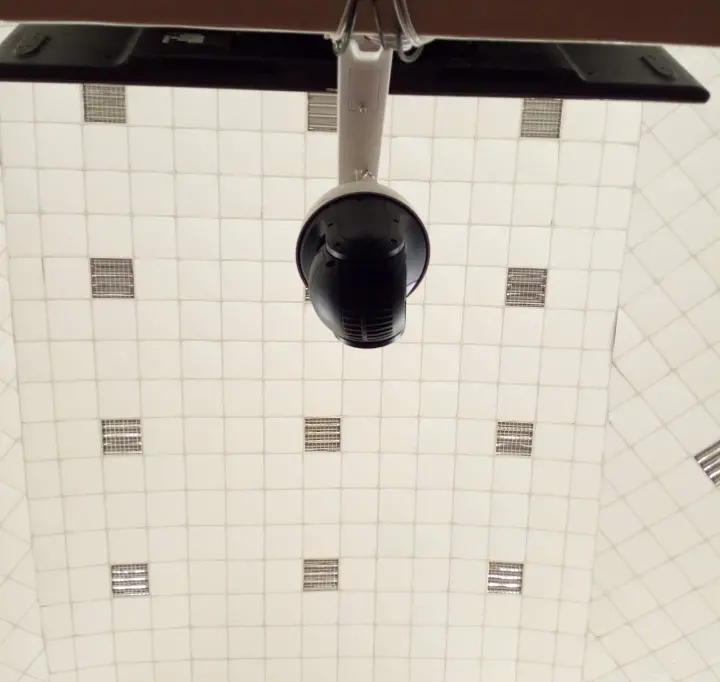
ANPR is designed to capture and interpret registration plates. General CCTV cameras provide visual monitoring and recorded footage of vehicles, people, lanes, payment points and other areas of interest.
A mall parking system may include CCTV coverage for:
- Vehicle entry and exit lanes.
- Boom barrier operating areas.
- Parking aisles.
- Payment kiosks or payment points.
- Pedestrian access areas.
- Loading and delivery zones.
- Restricted areas and service entrances.
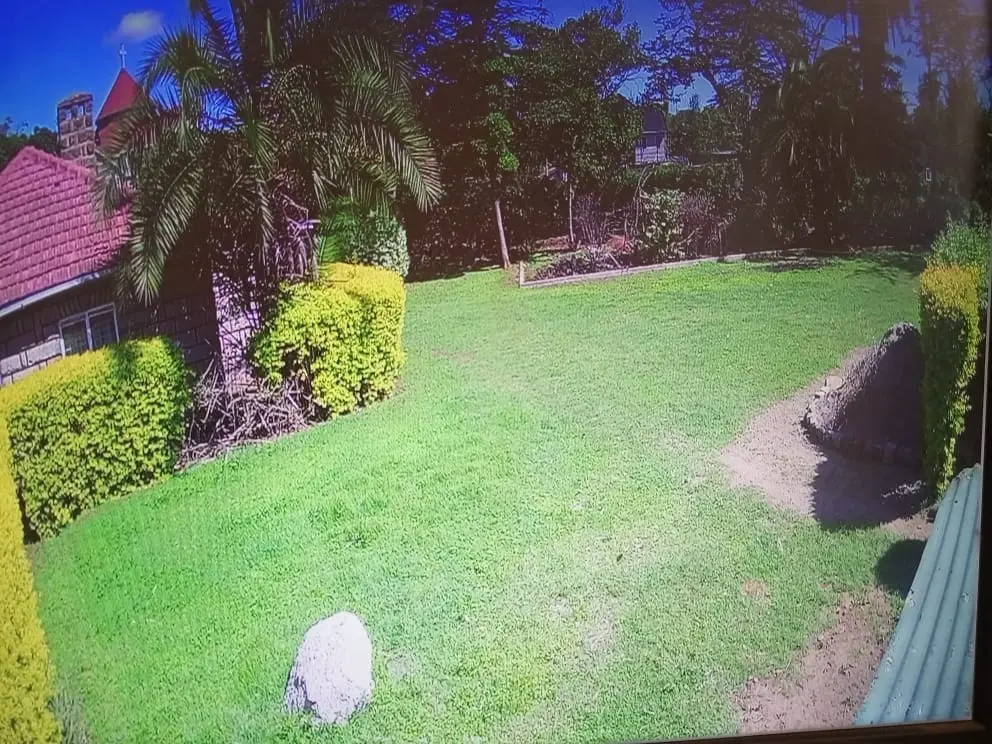
Camera placement should be based on the site’s layout, lighting, required coverage and the intended use of the footage.
Where ANPR evidence and general CCTV footage need to be reviewed together, the project should confirm whether the selected systems support the required integration or whether operators will access separate interfaces.
CCTV recording capacity, retention period, storage requirements, network bandwidth and access permissions should also be considered during the design stage.
7. Backup Power for Continuous Parking Operations
A parking system can become difficult to operate if power fails unexpectedly. A properly designed backup-power arrangement helps maintain essential equipment during interruptions.
The required backup system depends on the power consumption of the ANPR cameras, RFID readers, network equipment, parking controller, barrier motors, software server and other connected devices.
A typical design may include:
- UPS equipment for computers, networking devices and selected electronic components.
- Backup power for cameras, readers and controllers.
- A suitable power arrangement for the boom barriers.
- Generator or other site-level backup where required.
- Surge protection and appropriate electrical protection.
- Safe manual barrier operation procedures for emergencies.
It is important to understand that a UPS powering the software and network equipment does not automatically guarantee that the boom barrier motor can operate for the same duration.
Barrier motors may have significantly different power requirements from network equipment. The backup solution must therefore be designed around the actual load, desired runtime and equipment specifications.
The installation should also define how vehicles will be managed if the software, network or payment service becomes unavailable.
8. Network Infrastructure and Cabling
An integrated parking system depends on reliable communication between its devices.
ANPR cameras, UHF RFID readers, barrier controllers, CCTV cameras and the parking server may communicate through Ethernet, dedicated control connections or other interfaces supported by the selected equipment.
During a site survey, the technical team should assess:
- Cable distances from each device to the network or control equipment.
- Available network cabinets and equipment rooms.
- Suitable cable routes and protective conduits.
- Outdoor exposure and environmental conditions.
- Network switch capacity and power requirements.
- Network segregation and security.
- Internet connectivity requirements for cloud services or external payment integration.
- The need for fibre links between distant areas.
- Earthing, surge protection and electrical safety requirements.
Long distances, exposed outdoor cabling and the presence of civil structures may affect the design and installation cost.
Where necessary, the solution may include fibre-optic links, additional network cabinets, outdoor-rated equipment or new cable ducts. These requirements should be established before the final quotation is prepared.
9. Why a Technical Site Survey Is Necessary Before Quotation
When the management of a mall along Thika Road contacted Boardtac Solutions, the enquiry covered a complete integrated parking system, including ANPR, UHF RFID, boom barriers, software, M-Pesa, CCTV and backup power.
Rather than providing an arbitrary price based on a list of equipment, Boardtac recommended a technical site survey.
This is important because two shopping malls can have completely different parking requirements, even when they need the same general technologies.
One site may have two entrance lanes and two exit lanes. Another may have several parking levels, basement ramps, separate tenant entrances, delivery routes and a high volume of vehicles during peak hours.
The number of lanes, traffic flow, cable routes, mounting locations, power availability and software requirements all affect the design.
What does Boardtac assess during a site survey?
Entry and exit lanes. We assess the number and arrangement of vehicle entry and exit points, lane widths, turning space and available mounting positions.
Traffic movement. We consider expected traffic volumes, vehicle approach speeds, queues and the need to process vehicles efficiently during busy periods.
Parking layout. We assess the parking area, number of spaces, levels, ramps and circulation routes.
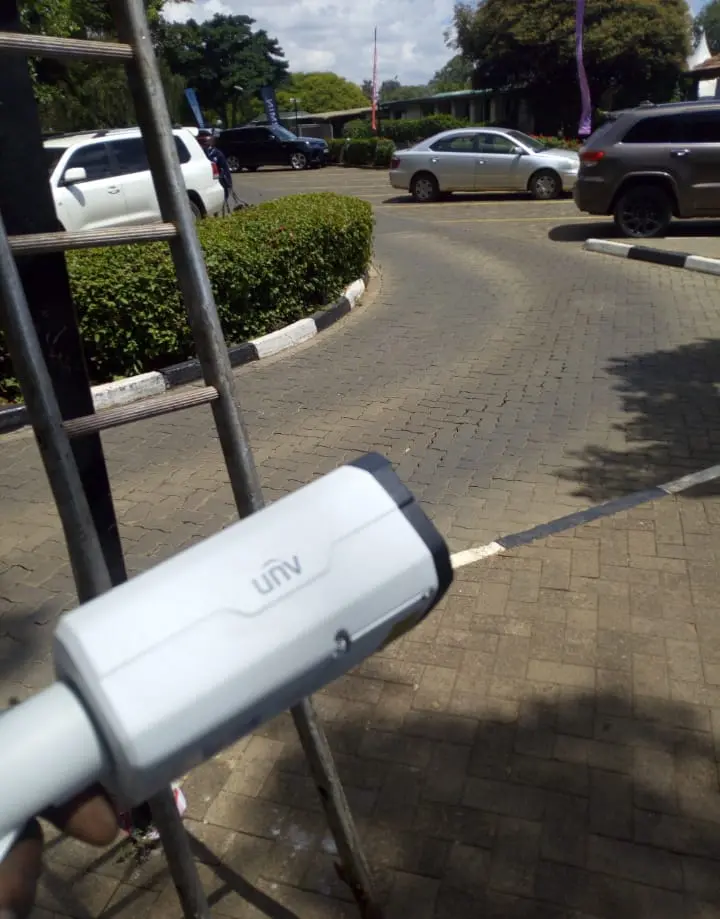
ANPR camera positions. We identify suitable camera positions based on plate visibility, mounting distance, lighting and vehicle movement.
UHF RFID coverage. We assess suitable reader and antenna positions for registered vehicles and the required identification workflow.
Boom barrier locations. We determine suitable positions for barrier arms, control units, safety sensors and any required lane equipment.
CCTV coverage. We identify the areas requiring surveillance and the locations where additional cameras may be necessary.
Power availability. We assess the available electrical supply, distribution arrangements and backup-power requirements.
Network and cabling. We review device distances, existing infrastructure, cable routes, conduits, trunking, ducts and possible civil works.
User categories. We establish how the system should handle visitors, tenants, staff, management, contractors, deliveries and other authorised vehicles.
Payment workflow. We determine how parking charges will be calculated, how M-Pesa payments will be verified and when the system should authorise vehicle exit.
Software and reporting. We establish the required parking reports, user accounts, access permissions, transaction records, system monitoring and integrations.
Following the assessment, Boardtac can prepare a more accurate technical design, equipment schedule, indicative or final quotation, and implementation plan.
10. What Determines the Cost of a Car Park Management System in Kenya?
There is no single price for every integrated parking management project.
The cost depends on the number of lanes, equipment specifications, site conditions, software functionality and the complexity of integration.
The main cost factors include:
Number of entry and exit lanes. Each controlled lane may require its own combination of ANPR cameras, RFID readers, barriers, sensors and supporting equipment.
ANPR camera specifications. Camera capabilities, illumination, lens requirements, mounting arrangements and recognition performance requirements affect the selection and cost.
UHF RFID equipment. Reader specifications, antenna requirements, compatible vehicle tags and installation conditions influence the overall price.
Boom barriers. Barrier arm length, duty cycle, operating speed, safety features and traffic volume must be considered.
Parking management software. Licensing, number of lanes, number of sites, user capacity, reporting, support and integration requirements can affect the software cost.
M-Pesa integration. The cost depends on the selected payment workflow, available software integration, API requirements and any additional development.
CCTV cameras and storage. The number of cameras, coverage requirements, recording duration and storage capacity influence the surveillance budget.
Networking and cabling. Cable lengths, network switches, fibre links, conduits, trenching and installation complexity affect the cost.
Backup power. UPS capacity, required operating duration, barrier motor requirements and other connected loads determine the backup arrangement.
Civil and electrical works. Foundations, mounting poles, protective structures, ducts, cable routes and power distribution may require additional work.
Installation and commissioning. Equipment configuration, system integration, testing, operator training and handover form part of the overall project.
For this reason, a reliable quotation should distinguish between equipment supply, installation, software, integration, civil works and any recurring service or licence costs.
11. How Long Does Installation Take?
The installation timeline depends on the scale of the parking facility and the readiness of the site.
A small installation with a few lanes, available power and existing network infrastructure may be completed much faster than a multi-lane shopping mall project requiring new cabling, foundations, payment integration and software configuration.
The implementation schedule should account for:
- Site survey and design approval.
- Equipment procurement and availability.
- Preparation of barrier foundations and mounting points.
- Electrical and network installation.
- Camera and RFID reader mounting.
- Software installation and configuration.
- M-Pesa integration and testing.
- Vehicle registration and tariff setup.
- System testing and commissioning.
- Staff training and handover.
For an integrated mall project, the final timeline should be confirmed after the survey and equipment selection. Payment integration, civil works, third-party approvals and site access arrangements can affect the delivery date.
12. Common Mistakes to Avoid When Buying a Parking Management System
Buying equipment before confirming the lane layout. Equipment selected without checking mounting positions, vehicle angles and cable distances may not perform as expected.
Assuming every CCTV camera can read number plates reliably. ANPR requires suitable camera specifications, positioning and configuration.
Treating UHF RFID as a complete visitor parking solution. RFID works well for registered tagged vehicles, but visitors may need ANPR, ticketing or another defined entry and exit workflow.
Installing barriers without adequate safety provisions. Suitable vehicle detection, safe operating procedures and emergency access arrangements must be considered.
Assuming M-Pesa integration is automatic. The payment process must be supported by the software and configured to verify transactions before authorising exits.
Ignoring backup power. Electronic equipment and barrier motors may have different power requirements and backup runtimes.
Overlooking network and civil works. Cable routes, trenching, foundations, mounting poles and electrical distribution can materially affect the final budget.
Failing to define exception handling. The system needs clear procedures for unreadable number plates, missing RFID tags, failed payments, lost network connectivity and equipment faults.
Not planning for future expansion. A design should consider potential additional lanes, parking levels, tenants, sites and integrations.
13. Why Choose Boardtac Solutions for Parking System Installation in Kenya?
Boardtac Solutions provides integrated security, networking and technology solutions for commercial and institutional customers.
For parking management projects, our approach is to assess the operational requirement first and then develop a solution that brings the appropriate technologies together.
Depending on the project, our scope can include:
- ANPR camera supply and installation.
- UHF RFID readers, antennas and vehicle tags.
- Automatic boom barriers and safety sensors.
- Parking management software.
- M-Pesa payment integration.
- CCTV cameras and video recording.
- Network equipment and structured cabling.
- Backup-power solutions.
- System configuration and integration.
- Testing, commissioning and operator training.
- Technical support and maintenance.
We work towards providing a coordinated solution rather than leaving the customer to manage separate equipment suppliers without a clear integration plan.
For malls, commercial buildings, hospitals, office complexes, residential developments, industrial sites and other facilities, the final design is based on the site conditions, operational requirements and agreed project scope.
Frequently Asked Questions About Car Park Management Systems in Kenya
What is the best car park management system for a shopping mall in Kenya?
The best system depends on the number of lanes, parking capacity, traffic volume, visitor workflow, payment requirements and security needs. A typical integrated solution may combine ANPR cameras, UHF RFID, automatic boom barriers, parking management software, M-Pesa integration, CCTV and backup power.
Can ANPR open a boom barrier automatically?
Yes. When ANPR is integrated with compatible parking or access control software, the system can recognise a vehicle’s number plate, check the configured access rules and authorise the barrier to open. The process depends on recognition results, software configuration and the selected controller.
What is the difference between ANPR and UHF RFID?
ANPR identifies a vehicle by reading its registration plate using a camera and recognition software. UHF RFID identifies a vehicle through an electronic tag detected by a radio-frequency reader. Both technologies can be used together in an integrated parking system.
Can a car park management system accept M-Pesa payments?
Yes, provided the selected parking software supports the required M-Pesa integration or can be integrated with the appropriate payment services. The system must verify payment confirmation and match the transaction to the correct parking session before authorising exit where payment is required.
Can the system manage both visitors and registered tenants?
Yes. A suitably configured parking platform can apply different rules to visitors, tenants, employees, contractors and other vehicle categories. The available functions depend on the selected software.
Does every parking lane require an ANPR camera and UHF RFID reader?
Not necessarily. The equipment depends on the chosen access workflow and lane arrangement. Some lanes may require both technologies, while others may use only one identification method or another supported process.
What happens if power goes off?
The response depends on the backup-power design, barrier model, controller and agreed operating procedure. A properly planned system can provide backup for selected equipment and define safe manual operation procedures. The barrier motors and electronic equipment must be assessed separately when sizing backup power.
Can CCTV be integrated with the parking system?
Yes. CCTV can operate alongside ANPR, RFID and parking software. The degree of integration depends on whether the selected platforms support linked events, video retrieval or centralised monitoring.
How much does an integrated parking system cost in Kenya?
The price depends on the number of lanes, ANPR cameras, RFID readers, boom barriers, safety sensors, software, M-Pesa integration, CCTV, networking, backup power and civil works. A site survey provides the information needed for a reliable quotation.
How long does it take to install a car park management system?
The duration depends on the number of lanes, equipment availability, site readiness, civil works, software configuration and payment integration. A realistic timeline should be agreed upon after the technical survey and design.
Why is a site survey important before buying a parking system?
A site survey establishes the number of lanes, mounting positions, cable distances, power requirements, traffic flow, parking workflow and integration needs. This reduces the risk of incorrect equipment selection, unexpected costs and operational problems.
Request a Car Park Management System Assessment in Kenya
If you manage a shopping mall, commercial building, hospital, residential development, office complex or industrial facility and need an automated parking solution, Boardtac Solutions can help you assess the requirements and develop a suitable technical proposal.
Whether you need ANPR vehicle recognition, UHF RFID access for tenants, automatic boom barriers, parking software, M-Pesa payments, CCTV surveillance or backup power, the first step is to understand how your parking facility operates.
Contact Boardtac Solutions to arrange a technical site survey and receive a parking management proposal tailored to your site. Our assessment helps establish the appropriate equipment, system architecture, integration requirements, installation scope, indicative pricing and expected implementation timeline.
Boardtac Solutions. Integrated parking management, vehicle access control, CCTV and networking solutions in Kenya.