When businesses invest in CCTV systems, structured cabling, access control, biometrics, or network infrastructure, they expect systems that work reliably for years. Unfortunately, many installations fail because projects focus only on equipment and ignore installation standards.
At Boardtac Solutions, we developed Boardtac Installation Standards (BIS) to ensure projects are installed consistently, safely, and professionally. These standards combine international best practices with real-world field experience from projects in schools, offices, apartments, hospitals, businesses, and industrial environments.
Our approach is simple.
Good equipment matters. Good standards matter more.
What Are Boardtac Installation Standards (BIS)?
Boardtac Installation Standards are internal quality frameworks used during planning, installation, testing, documentation, and handover.
The standards focus on:
- Reliability.
- Safety.
- Documentation.
- Future maintenance.
- Expandability.
- Professional appearance.
- Reduced downtime.
These standards apply across CCTV, networking, biometric systems, alarm systems, Wi-Fi systems, and power infrastructure.
BIS-01: Structured Cabling Labeling Standard.
A network without labels becomes difficult to maintain.
Every cable, outlet, rack, patch panel, and termination point receives clear identification.
Example.
Instead of naming a cable:
Office cable.
We use:
GF-HR-01.
Meaning:
- GF = Ground Floor.
- HR = Human Resource Office.
- 01 = Point Number.
How this helps:
- Faster troubleshooting.
- Easier expansion.
- Reduced downtime.
- Better maintenance.
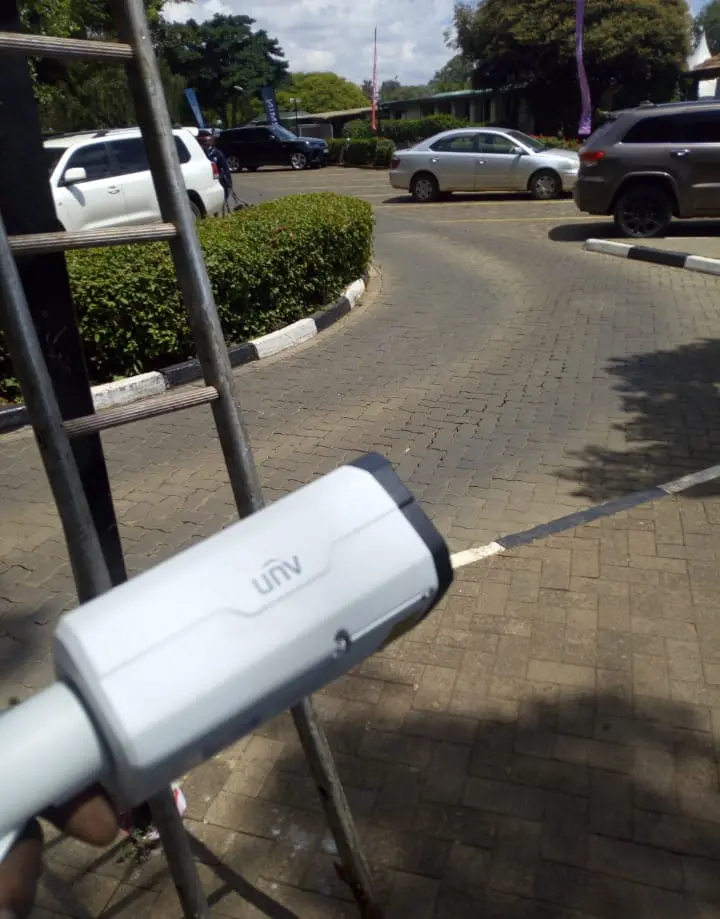
BIS-02: CCTV Camera Placement and Coverage Standard.
Poor camera placement creates blind spots.
Our CCTV installations follow coverage planning standards that consider:
- Viewing angles.
- Lighting conditions.
- Facial identification zones.
- Vehicle capture points.
- Environmental protection.
- Future maintenance access.
Example.
A gate camera installed too high may record vehicles but fail to capture faces properly.
Proper positioning improves evidence quality.
How this helps:
- Better identification.
- Reduced blind spots.
- Improved investigations.
- Better storage efficiency.
BIS-03: Structured Cabling Standards for IT Infrastructure.
Our network installations align with globally accepted structured cabling principles from:
- Telecommunications Industry Association structured cabling guidelines.
- Electronic Industries Alliance cabling practices.
- Institute of Electrical and Electronics Engineers networking standards.
This includes:
- Correct cable bend radius.
- Proper separation from power cables.
- Correct cable routing.
- Proper termination methods.
- Patch panel organization.
Example.
Running network cables together with electrical wiring can introduce interference and unstable connections.
Proper cable separation improves reliability.
BIS-04: Biometric Access Control Standards.
Biometric systems are more than installing fingerprint devices.
We standardize:
- Reader mounting heights.
- User enrollment procedures.
- Access level configuration.
- Emergency override procedures.
- Door release timing.
- Audit trail verification.
Example.
Installing a biometric reader too close to a door hinge may create congestion during entry.
Correct positioning improves usability.
How this helps:
- Faster access.
- Better attendance accuracy.
- Improved security.
- Reduced user frustration.
BIS-05: Alarm System Installation Standards.
Alarm systems should detect problems without creating unnecessary false alarms.
Our standards cover:
- Detector placement.
- Cable protection.
- Backup power sizing.
- Zone configuration.
- Tamper protection.
- Testing procedures.
Example.
A motion detector placed directly facing sunlight can trigger false alarms.
Correct placement improves reliability.
BIS-06: Rack Organization and Documentation Standard.
Server racks and cabinets should remain understandable years later.
Every installation includes:
- Rack labeling.
- Patch panel mapping.
- Device identification.
- Port documentation.
- Cable management.
Example.
A technician troubleshooting a switch failure should identify the correct port within minutes, not hours.
BIS-07: Testing and Commissioning Standard.
Systems are tested before handover.
Testing includes:
- Cable continuity checks.
- Camera verification.
- Network testing.
- Alarm triggering tests.
- User verification.
- Performance validation.
Testing helps detect problems before customers experience them.
BIS-08: Documentation and Handover Standard.
Every project should remain maintainable after installation.
Project documentation includes:
- Network diagrams.
- Camera layouts.
- Device lists.
- IP schedules.
- Password handover procedures.
- Warranty information.
- User training.
Documentation reduces dependency on specific technicians.
International Standards We Reference.
Our installations incorporate principles from internationally recognized standards bodies including:
- International Organization for Standardization quality and management practices.
- Institute of Electrical and Electronics Engineers networking standards.
- Telecommunications Industry Association structured cabling standards.
- Electronic Industries Alliance infrastructure guidelines.
- National Fire Protection Association safety recommendations.
These references help ensure installations follow recognized engineering practices.
Frequently Asked Questions.
Why are installation standards important?
Standards improve reliability, reduce downtime, simplify maintenance, and improve safety.
Do standards matter for small businesses?
Yes. Small installations become difficult to manage when documentation and standards are ignored.
Why does documentation matter?
Documentation reduces troubleshooting time and makes future upgrades easier.
Are standards only for large projects?
No. Even small CCTV or network projects benefit from proper installation standards.
Conclusion.
Technology installations should not depend on luck or guesswork.
Boardtac Installation Standards help create systems that remain reliable, maintainable, and easier to support long after installation is complete.
Because professional installations are not only about equipment.