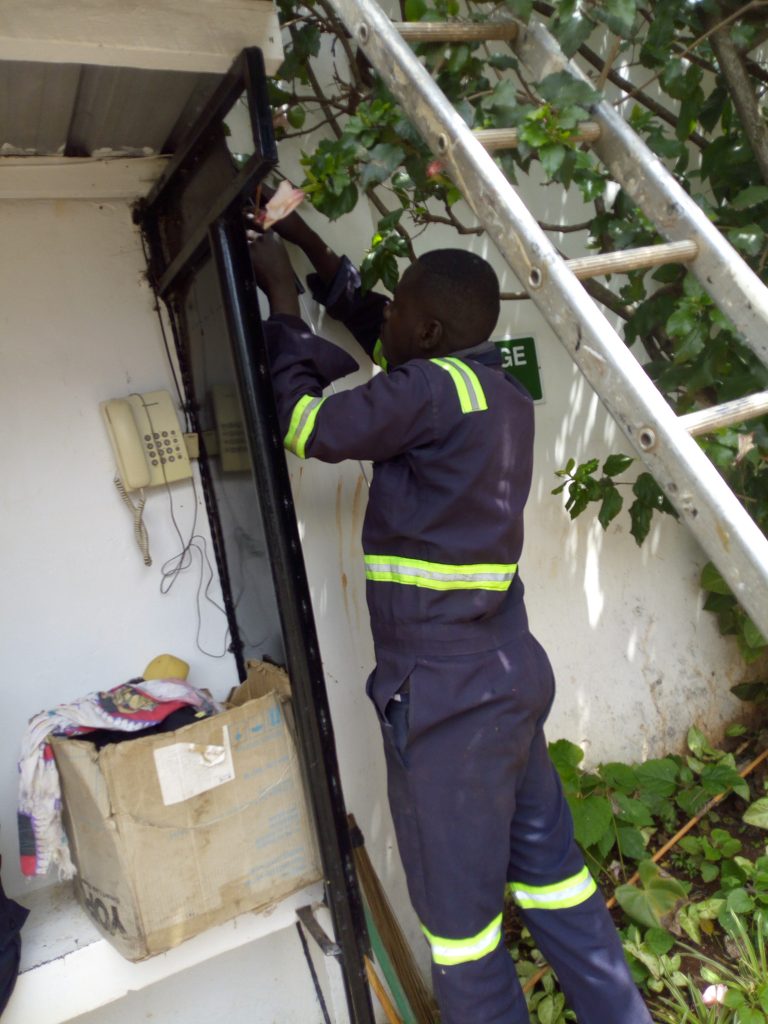
School Computer Lab Network Installation Mistakes That Cost Schools Money Later.
A computer laboratory is one of the most important ICT investments a school can make. It supports digital learning, online research, examinations, coding classes, and access to educational resources.
Unfortunately, many schools focus heavily on purchasing computers while paying little attention to how the network infrastructure is installed. A poorly designed network can create ongoing problems that affect learning, productivity, and future expansion.
At BoardTac Solutions, we recently reviewed a school computer laboratory where 12 desktop computers had been installed, but only 4 network cables had been provided. The network had been wired more like an electrical installation than a structured ICT network, creating performance and maintenance challenges.
This is a common issue in many schools and educational institutions.
What Happens When a School Computer Lab Network Is Poorly Installed?
When a network is not properly planned and installed, schools often experience:
- Slow internet connectivity.
- Frequent network interruptions.
- Difficult troubleshooting.
- Limited room for future expansion.
- Increased maintenance costs.
- Poor user experience for students and teachers.
While the computers may appear to be working initially, network problems usually become more noticeable as usage increases.
Common School Computer Lab Network Installation Mistakes
1. Installing Too Few Network Points
One of the biggest mistakes is providing fewer network outlets than the number of computers.
Every workstation should ideally have its own dedicated network point. When multiple devices are forced to share a limited number of connections, performance becomes unreliable and network management becomes difficult.
Schools should always plan for every computer, printer, access point, and future device that may require connectivity.
2. Treating Data Cabling Like Electrical Wiring
Network cabling follows different standards from electrical wiring.
Data cables require proper routing, testing, termination, labeling, and cable management. When installed without structured cabling principles, the result is often a tangled network that is difficult to maintain and troubleshoot.
A network should be designed for performance, reliability, and future growth, not simply to connect devices.
3. Failing to Plan for Future Expansion
Many schools install networks based only on their immediate needs.
A laboratory that currently holds 12 computers may need to accommodate 20 or 30 computers in the future. Additional printers, servers, smart boards, IP cameras, and wireless access points may also be added later.
Without expansion planning, schools are forced to spend more money on network modifications and re-cabling projects.
4. Lack of Proper Network Documentation
A professional installation should include:
- Cable labeling.
- Network diagrams.
- Patch panel identification.
- Port documentation.
Without proper documentation, finding faults can take hours instead of minutes.
5. Poor Cable Management
Messy cabling not only looks unprofessional but also makes maintenance difficult.
Good cable management improves airflow, simplifies troubleshooting, reduces accidental disconnections, and creates a safer working environment.
6. Leaving ICT Infrastructure Design Entirely to Electrical Contractors
During construction projects, schools often assign data cabling work to electrical contractors without involving ICT professionals.
Electrical contractors are highly skilled in power installations, but structured network design requires specialized ICT knowledge and standards.
This often results in:
- Insufficient data points.
- Poor cable layouts.
- Lack of scalability.
- Poor documentation.
- Difficult future maintenance.
For best results, ICT professionals should be involved from the planning stage of the project.
What Is the Correct Way to Install a School Computer Lab Network?
A professional school network installation should include:
- One dedicated network point for every workstation.
- Proper structured cabling design.
- Network expansion planning.
- Professional cable management systems.
- Clearly labeled data points.
- Separation of power and data cabling.
- Patch panels and network cabinets where necessary.
- Complete testing and certification before handover.
These practices help create a stable and reliable learning environment.
Why Structured Cabling Matters in Schools
Structured cabling provides a foundation for all digital learning systems.
Benefits include:
- Faster and more reliable connectivity.
- Easier maintenance and troubleshooting.
- Better network organization.
- Reduced downtime.
- Simplified future upgrades.
- Lower long-term operating costs.
- Improved learning experiences for students.
A properly installed network can serve a school effectively for many years with minimal disruption.
How Schools Can Avoid Costly Network Mistakes
Before starting a new building project or ICT laboratory installation, schools should:
- Engage ICT professionals during the design phase.
- Assess both current and future technology requirements.
- Ensure sufficient data points are installed.
- Request structured cabling documentation.
- Insist on testing and certification before project completion.
These simple steps can save significant costs and prevent future operational challenges.
Frequently Asked Questions
How many network points should a school computer lab have?
A school laboratory should have at least one dedicated network point for every computer workstation, plus additional points for printers, wireless access points, servers, and future expansion.
Can electricians install network cabling?
Electricians can physically install cables, but structured network design, testing, certification, and ICT planning should be handled by qualified network professionals.
Why is structured cabling important in schools?
Structured cabling improves network performance, simplifies maintenance, supports future expansion, and reduces downtime.
What are signs of a poorly installed school network?
Common signs include slow internet, disconnected devices, messy cabling, insufficient network points, and difficulty troubleshooting faults.
When should network planning begin in a school construction project?
Network planning should begin during the building design stage, before construction is completed. This helps avoid expensive modifications later.
Conclusion
A school computer laboratory network should never be treated as an afterthought. The quality of the network infrastructure directly affects how effectively students and teachers can use technology.
What may appear to be a small shortcut during installation often becomes a major challenge later. Proper planning, structured cabling, and professional ICT involvement ensure reliable connectivity, easier maintenance, and long-term scalability.
At BoardTac Solutions, we believe that a school network is more than cables and switches. It is the foundation that supports digital learning, online education, and the future of students.
A well-designed network is not simply an installation. It is infrastructure for learning.