Kenya’s Digital Horizon: A Comprehensive Analysis of the ICT Sub-Sector Plan (2026-2029)
The Kenyan government has unveiled a landmark document: the ICT and Digital Economy Sub-Sector Report for the 2026-2029 Medium-Term Expenditure Framework (MTEF). This report charts an ambitious course to transform Kenya into a digitally empowered society. It serves as a blueprint for the nation’s digital future. The document details the strategic priorities of the State Department for ICT and Digital Economy and its affiliated agencies. It also reviews past performance and outlines a financial plan for the next three years.

A Vision Anchored in Transformation
The ICT Sub-Sector operates with a clear and compelling mission. It aims to provide digital infrastructure and communication services. The sector leverages technology and innovation for socio-economic transformation. Ultimately, the goal is to achieve global competitiveness. This vision aligns seamlessly with the broader national goals of the Bottom-Up Economic Transformation Agenda (BETA) and Kenya Vision 2030. Consequently, the report positions ICT not merely as a sector but as a crucial enabler. It fosters growth across all pillars of the economy.

The Key Players Driving the Digital Agenda
The sub-sector functions through a collaborative ecosystem involving several key entities. Each plays a distinct and critical role.
- The State Department for ICT and the Digital Economy (SDICT&DE): This serves as the lead government body. It oversees policy formulation and implementation across the sector.
- Semi-Autonomous Government Agencies (SAGAs): These agencies execute specific mandates. The ICT Authority (ICTA) enforces ICT standards and implements critical projects. The Konza Technopolis Development Authority (KoTDA) coordinates the development of a smart city, which will become a hub for innovation.
- Independent Offices: The Office of the Data Protection Commissioner (ODPC) operates independently. It safeguards personal data and enforces data privacy laws.
- Institutions of Excellence: The Kenya Advanced Institute of Science and Technology (Kenya-AIST) focuses on developing high-level technical skills. It aims to accelerate industrial growth through research and development.
A Retrospective: Celebrating Achievements from 2022 to 2025
The report provides a detailed review of the sub-sector’s performance from FY 2022/23 to FY 2024/25. This period saw significant strides in expanding Kenya’s digital infrastructure and services.
Laying the Groundwork: Massive Infrastructure Expansion
The government made substantial progress in connecting the nation. For instance, it laid a total of 7,152 kilometers of fibre optic cable under the National Optic Fibre Backbone Infrastructure (NOFBI) initiative. In addition, the government connected 1,114 government buildings to the internet through the Last Mile County Connectivity Project. Furthermore, it connected 82 hospitals to high-speed internet. This move directly supported the Universal Health Coverage (UHC) programme. The government also installed 1,571 public Wi-Fi hotspots across counties and sub-counties. This initiative increased public access to the internet in both urban and rural areas alike.
Moreover, the government completed the construction of the Konza Complex Phase 1A. It also finished building and equipping the Konza National Data Centre. These developments established a critical hub for the country’s digital infrastructure. The sub-sector also operationalized 101 digital hubs and constructed 43 new ones in collaboration with the National Government Constituencies Development Fund (NGCDF). Finally, it recruited and trained 1,200 ICT graduates in advanced digital skills, preparing them for the workforce.
Digitizing Services and Empowering Citizens
The push for e-government and digital skills training yielded impressive results. The government onboarded a remarkable 17,668 government services to the e-Citizen portal. This move made it easier for citizens to access services from a single platform. Similarly, the government trained over 1.5 million citizens in digital literacy. It also linked over 180,000 youth to online jobs through the Ajira Digital Programme.
On the data protection front, the Office of the Data Protection Commissioner made significant strides. The office established seven regional offices across the country. It registered over 13,000 data controllers and processors. Most importantly, it resolved all 6,744 complaints it received. This performance signals a strong commitment to upholding data privacy rights.
Navigating Financial Realities: Expenditure Trends and Challenges
While the achievements were notable, the report also sheds light on financial challenges. The approved budget for the sub-sector saw significant fluctuations over the review period. For example, the development budget for FY 2022/23 was Kshs. 11,670 million. This figure rose to Kshs. 15,393 million in FY 2023/24.
However, absorption rates for both recurrent and development budgets fell below target in the earlier years. For FY 2022/23, the absorption rate for development funds stood at 79.4%. Delays in exchequer releases caused these low absorption rates. Slow procurement processes for donor-funded projects also contributed to the challenge. The report notes that under-absorption in loans occurred due to delays in the procurement process for projects like the Kenya Digital Economy Acceleration Programme (KDEAP) and the Last Mile County Connectivity Project (LMCCP).
Looking Ahead: Strategic Priorities for 2026-2029
The upcoming MTEF period will be one of massive expansion. The sub-sector has restructured its operations into four core programmes. Each programme contains ambitious targets for the next three years.
Programme 1: General Administration, Planning and Support Services
This programme focuses on strengthening the regulatory environment. Key goals include finalizing pending policies. For instance, the government aims to complete the Kenya Cloud Policy. It also plans to establish robust monitoring and evaluation frameworks. These frameworks will ensure projects stay on track. Furthermore, the programme includes a unique environmental goal: planting 5 million trees to restore forestry cover. This initiative links ICT development with climate action.
Programme 2: ICT Infrastructure Development
This is the flagship programme. It aims to super-connect Kenya through massive infrastructure rollout. The plan includes installing a staggering 37,685 kilometers of backbone fibre network. In addition, the government will provide internet connectivity to 18,500 public institutions. These include schools and government offices. Similarly, it will install 22,456 public Wi-Fi hotspots across the country.
Completing the remaining infrastructure at Konza Technopolis remains a priority. This includes finishing the Conference facility and the Hotel Block. It also involves scaling up Smart City facilities to attract investment. The programme also prioritizes the completion of regional data centers in Mombasa and Kisumu. It also aims to achieve 100% uptime for the national broadband network.
Programme 3: E-Government and Digital Economy Development
The focus here is on fully digitizing government operations and creating digital jobs. The sub-sector aims to achieve 100% automation of government services. This means citizens will access all services through a unified digital platform. The government will also focus on data governance. It plans to develop a National Data Catalog and an Open Data Portal.
Furthermore, building on past success, the plan includes training 280,000 youth in digital skills. The government will also link 50,000 youth to digital jobs and the Business Process Outsourcing (BPO) sector. This initiative will contribute to job creation and economic growth. The programme also supports the growth of emerging technologies. It aims to establish a National Innovation Sandbox. It also plans to develop an AI curriculum and create AI research centers.
Programme 4: ICT Security and Data Protection Services
As digital services expand, so does the need for security and privacy. The government will focus on completing the National Cybersecurity Agency. It will also establish one National Security Operations Centre. Additionally, it will set up seven Sectoral Security Operation Centres. This will create a comprehensive cybersecurity framework for the nation.
On the data protection front, the ODPC will continue its work. The office will register 45,000 data controllers and processors. It will train 32,000 of them on compliance. It will resolve complaints efficiently. Finally, it will conduct 60 awareness campaigns to educate citizens on their data rights.
The Financial Commitment for the Next Three Years
To realize these ambitious plans, the government requires significant financial investment. The report outlines the budget requests for the MTEF period. These funds will support the implementation of the four core programmes.
| Financial Year | Total Requirement (Kshs. Million) |
|---|---|
| FY 2026/27 | Kshs. 40,710 million |
| FY 2027/28 | Kshs. 43,013 million |
| FY 2028/29 | Kshs. 19,798 million |
Addressing Emerging Issues and Persistent Challenges
The report candidly identifies emerging issues that will shape the sector’s future. The rapid pace of emerging technologies, such as Artificial Intelligence, necessitates constant policy review. There is also an increased demand for ICT infrastructure and capacity.
The sub-sector continues to face several persistent challenges. Vandalism and destruction of ICT infrastructure during physical construction projects remain a major problem. Evolving cyber security threats target both the government and the private sector. The high cost of developing and maintaining public ICT infrastructure requires strategic budget re-allocation. Delayed resolution of infrastructure faults due to security threats also hinders service delivery.
Driving Kenya’s Digital Future: How Boardtac Solutions is Powering the National ICT Agenda.
Boardtac Solutions stands at the forefront of this effort. We are a technology company committed to driving Kenya’s digital economy forward. Our services align directly with the national priorities outlined in the MTEF report. We work tirelessly to bridge the gap between policy and implementation.

Understanding the National Vision.
Before exploring how Boardtac Solutions contributes, it is essential to understand the scale of the national vision. The ICT Sub-Sector Report outlines four core programmes for the 2026-2029 period:
- General Administration, Planning and Support Services: Strengthening policies, legal frameworks, and institutional capacity.
- ICT Infrastructure Development: Installing 37,685 kilometers of fibre network, connecting 18,500 public institutions, and deploying 22,456 public Wi-Fi hotspots.
- E-Government and Digital Economy Development: Achieving 100% automation of government services, training 280,000 youth in digital skills, and linking 50,000 youth to digital jobs.
- ICT Security and Data Protection Services: Completing the National Cybersecurity Agency, establishing Security Operations Centres, and strengthening data privacy enforcement.
These are ambitious targets. They require a concerted effort from both the public and private sectors. Boardtac Solutions has positioned itself as a reliable partner in this journey.
Who Is Boardtac Solutions?
Boardtac Solutions is a technology company specializing in digital transformation services. We focus on providing innovative, scalable, and secure technology solutions to businesses, government agencies, and organizations across Kenya and beyond. Our core philosophy centers on delivering practical solutions that solve real-world problems.
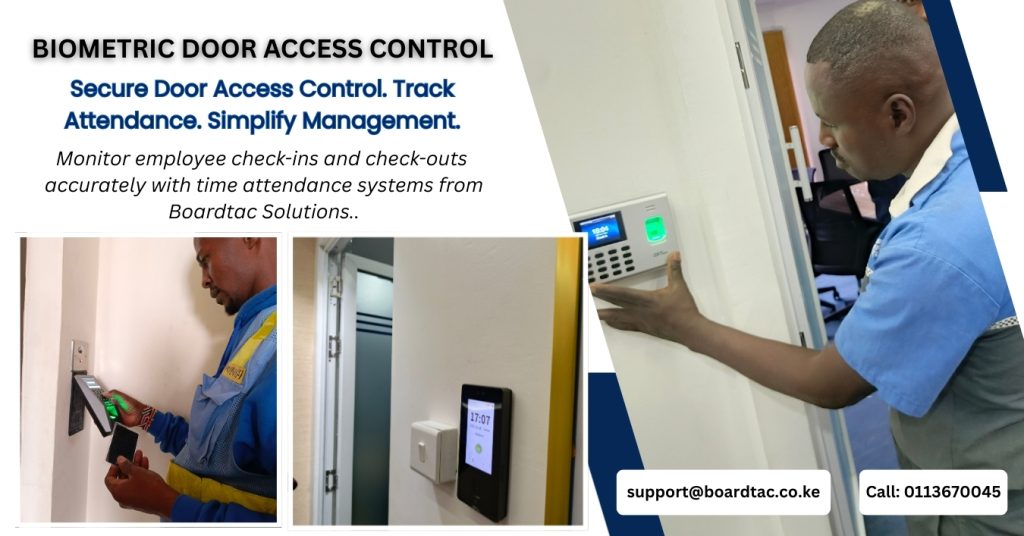
We understand that digital transformation is not a one-size-fits-all process. Each organization has unique needs, challenges, and goals. Therefore, we take a consultative approach. We work closely with our clients to understand their specific requirements. Then, we design and implement tailored solutions that deliver measurable results.

How Our Services Align with the National ICT Agenda
The ICT Sub-Sector Report identifies several key priority areas. Boardtac Solutions offers services that directly address these priorities. Below, we outline how our work supports the national vision.
1. Supporting ICT Infrastructure Development
The government aims to expand fibre connectivity, deploy public Wi-Fi, and establish robust digital infrastructure across the country. Boardtac Solutions contributes to this goal through our network infrastructure and connectivity solutions.
Our Approach:
- We design and deploy enterprise-grade networking solutions for organizations, ensuring reliable and secure connectivity.
- We implement wireless infrastructure that enables seamless internet access across large campuses, office buildings, and public spaces.
- We provide structured cabling services that form the backbone of modern digital infrastructure.
- We offer network security solutions that protect critical infrastructure from cyber threats.
By delivering these services, we help expand the reach of reliable internet connectivity. This aligns with the government’s goal of connecting public institutions and deploying public Wi-Fi hotspots.
2. Enabling E-Government and Digital Economy Development
One of the most ambitious targets in the report is the 100% automation of government services. This requires robust digital platforms, seamless integration across ministries, and user-friendly interfaces for citizens. Boardtac Solutions supports this goal through our digital transformation and enterprise solutions.
Our Approach:
- We implement enterprise resource planning (ERP) systems that integrate financial, human resource, and supply chain functions.
- We build web-based platforms and portals that enable organizations to deliver services online.
- We provide cloud computing solutions that offer scalable, secure, and cost-effective infrastructure for hosting digital services.
Our expertise in developing and deploying digital platforms directly supports the government’s goal of moving all services online. We help organizations transition from paper-based processes to efficient, digital workflows.

3. Strengthening ICT Security and Data Protection
As digital services expand, so does the threat landscape. The government recognizes this challenge and has prioritized the establishment of a National Cybersecurity Agency and Security Operations Centres. Boardtac Solutions addresses this need through our cybersecurity and data protection services.
Our Approach:
- We conduct comprehensive security assessments to identify vulnerabilities in an organization’s infrastructure.
- We implement endpoint protection solutions that safeguard devices from malware, ransomware, and other threats.
- We deploy security information and event management (SIEM) systems that provide real-time monitoring and threat detection.
- We offer data protection consulting services to help organizations comply with the Data Protection Act and other regulatory requirements.
- We provide employee training and awareness programs to build a culture of security within organizations.
Our cybersecurity services help protect the very infrastructure that the government is building. By safeguarding systems and data, we contribute to a secure and trusted digital environment.
4. Empowering Digital Skills and Innovation
The government plans to train 280,000 youth in digital skills and link 50,000 to digital jobs. This focus on human capital development is critical for the success of the digital economy. Boardtac Solutions contributes to this effort through our capacity building and training services.
Our Approach:
- We offer technical training programs in areas such as networking, cybersecurity, cloud computing, and software development.
- We partner with institutions to deliver workforce development initiatives that prepare graduates for the job market.
- We support innovation hubs and incubators by providing technical expertise and mentorship to startups.
- We work with organizations to upskill existing employees, ensuring they remain competitive in a rapidly evolving digital landscape.
By investing in skills development, we help create a pipeline of talented professionals who can drive the digital economy forward. This aligns directly with the government’s goal of creating jobs and reducing unemployment among youth.
5. Enhancing Institutional Capacity and Governance
The report emphasizes the need for strengthened policies, legal frameworks, and institutional capacity. Boardtac Solutions supports this through our IT consulting and advisory services.
Our Approach:
- We provide strategic IT consulting to help organizations align their technology investments with business goals.
- We assist with IT governance frameworks that ensure accountability, transparency, and effective management of technology resources.
- We offer project management services for large-scale technology initiatives, ensuring they are delivered on time and within budget.
- We conduct IT audits and assessments to identify areas for improvement and optimize technology performance.
Our consulting services help organizations build the internal capacity needed to manage and sustain digital transformation initiatives effectively.
Our Commitment to the Digital Economy
Boardtac Solutions is more than a technology provider. We are a committed partner in Kenya’s digital transformation journey. We believe that technology has the power to transform lives, create opportunities, and build a more prosperous society. Our work is guided by this belief.
We take a collaborative approach. We engage with our clients as partners, not just vendors. We listen to their needs. We understand their challenges. We work alongside them to develop solutions that deliver lasting value.
Why Partner with Boardtac Solutions?
Organizations choose Boardtac Solutions for several reasons:
- Expertise: Our team comprises experienced professionals with deep technical expertise across multiple domains.
- Tailored Solutions: We do not believe in one-size-fits-all approaches. We design solutions that address your specific needs.
- Commitment to Quality: We deliver high-quality solutions that meet the highest standards of performance and reliability.
- Ongoing Support: We stand behind our work. We provide ongoing support to ensure your systems continue to perform optimally.
- Local Understanding: We understand the Kenyan context. We understand the challenges and opportunities that exist in the local market.
Join Us in Building a Digital Kenya
The ICT Sub-Sector Report for 2026-2029 presents a bold vision for Kenya’s future. Achieving that vision requires collective effort. It requires collaboration between government, the private sector, and civil society.
Boardtac Solutions is ready to play our part. We are ready to support government agencies in their digital transformation journey. We are ready to help businesses leverage technology for growth. We are ready to empower youth with digital skills. We are ready to build a secure and trusted digital environment for all Kenyans.
If you are an organization looking to embark on a digital transformation journey, we invite you to partner with us. Let us work together to turn the vision of a digitally empowered Kenya into reality.
About Boardtac Solutions
Boardtac Solutions is a technology company dedicated to driving digital transformation across Kenya and beyond. We specialize in:
- Network Infrastructure and Connectivity
- Digital Transformation and Enterprise Solutions
- Cybersecurity and Data Protection
- Capacity Building and Training
- IT Consulting and Advisory Services
Our mission is to empower organizations with innovative technology solutions that deliver measurable results. We believe in the power of technology to transform lives and build a better future.
Contact Us Today
Ready to take the next step in your digital transformation journey? Reach out to our team today.
- Website: www.boardtac.co.ke
- Email: support@boardtac.co.ke
- Phone: 0113670045
Let us build a digital Kenya, together.