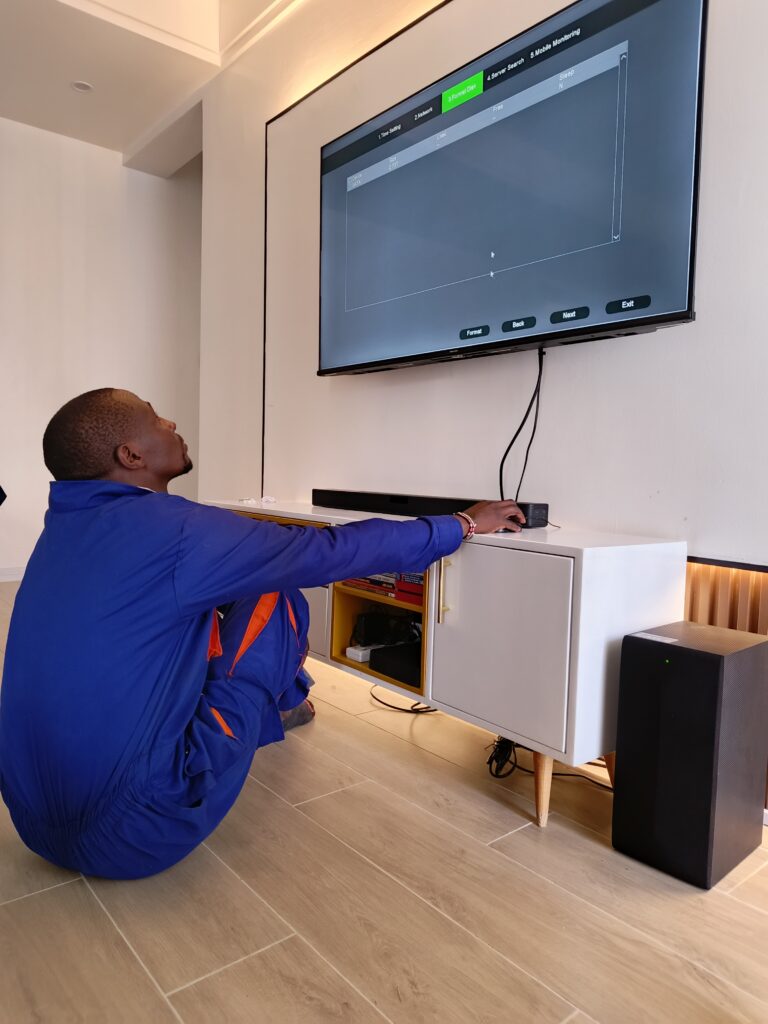
Top CCTV Security Camera Brands in Kenya for 2026 – Complete Guide
Security systems are now essential for homes, businesses, and commercial properties across Kenya. As we enter 2026, the demand has evolved towards smarter, more efficient surveillance solutions. Features like AI-powered analytics, remote mobile access, superior night vision, and solar-powered operation are no longer luxuries but expectations. Choosing the correct brand is critical for ensuring reliability, performance, and long-term value. This comprehensive guide details the best CCTV security camera brands available in Kenya for 2026, helping you make an informed decision for your safety and peace of mind.
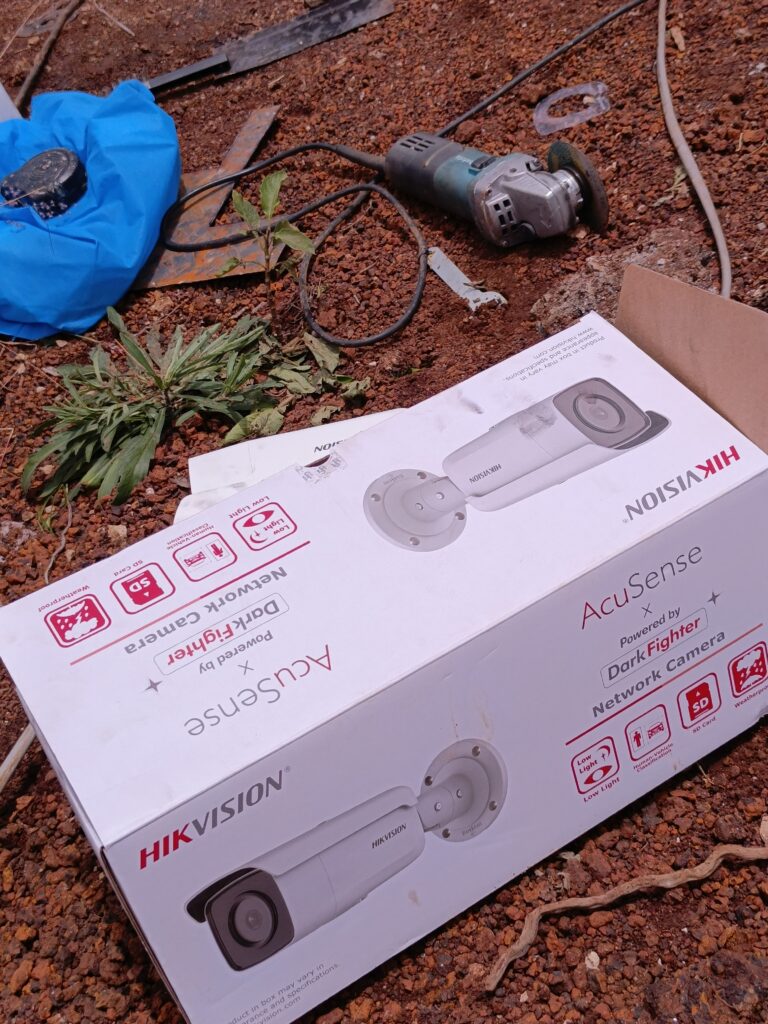
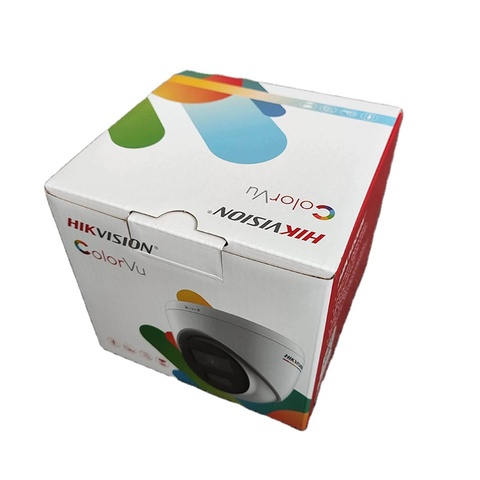
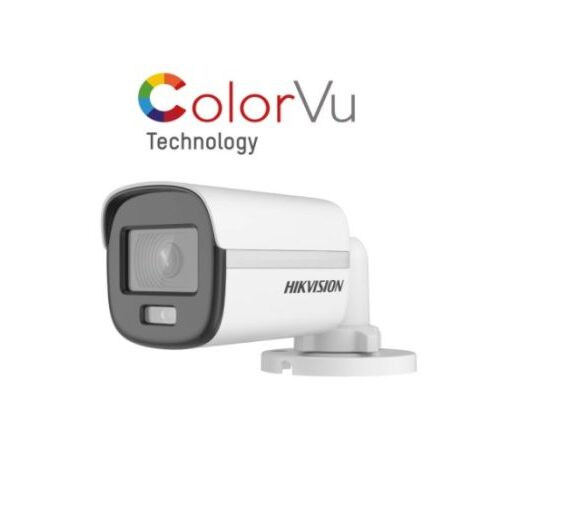
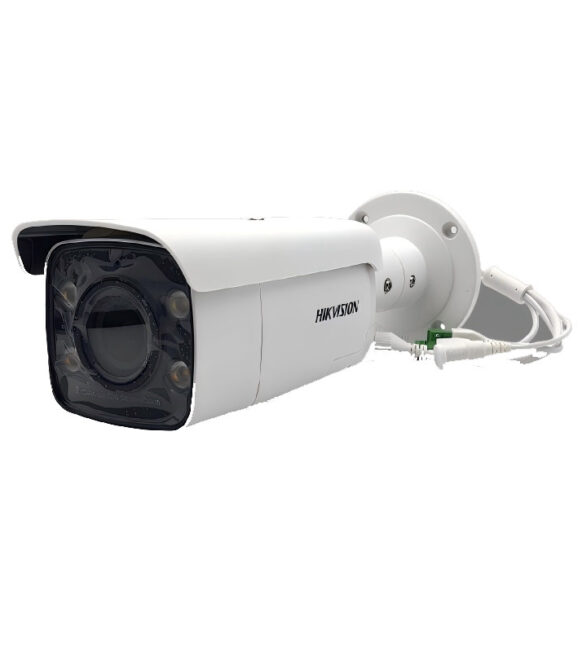
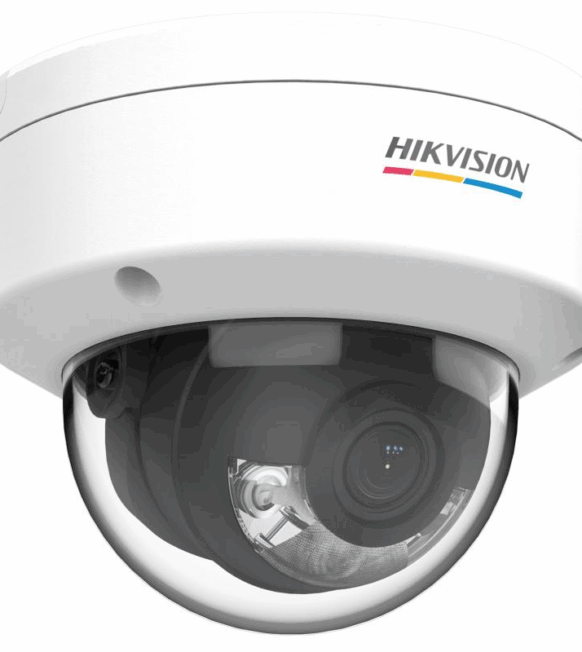
1. Hikvision: The Undisputed Industry Leader
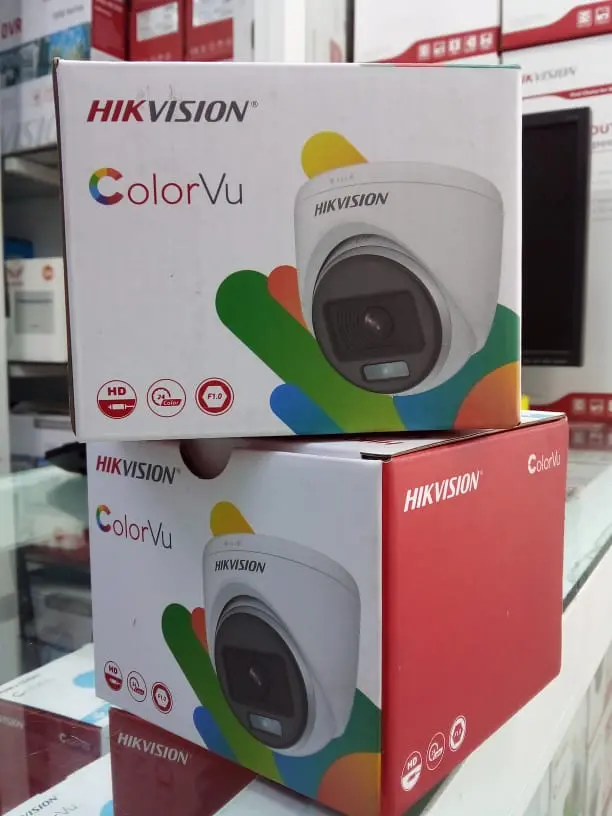
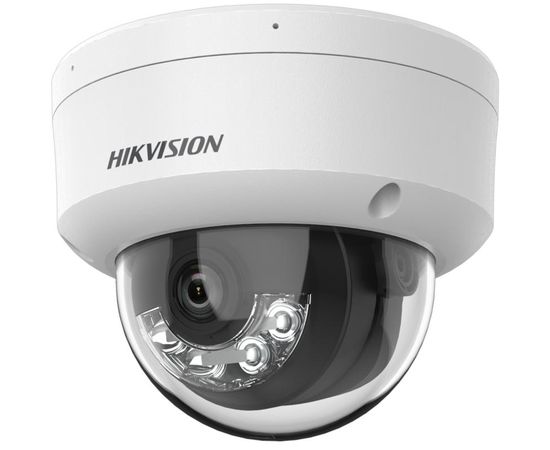
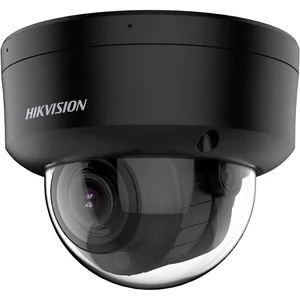
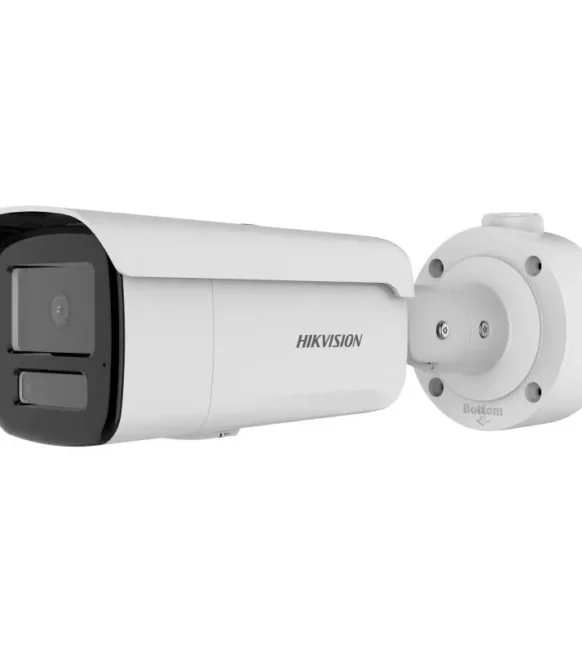
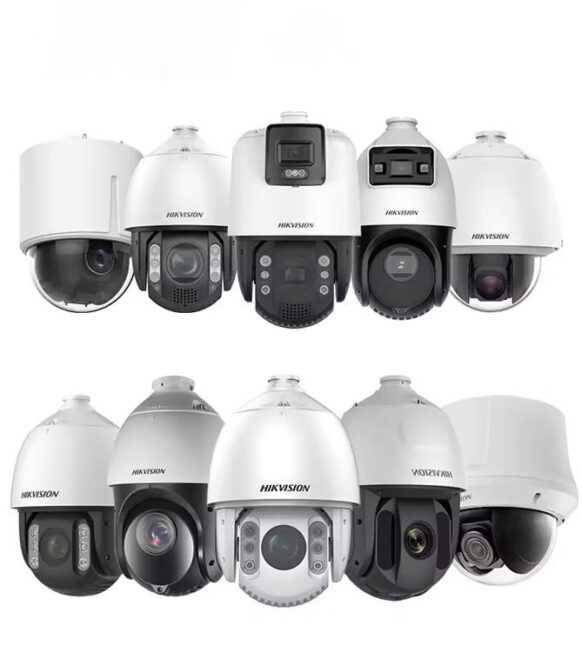
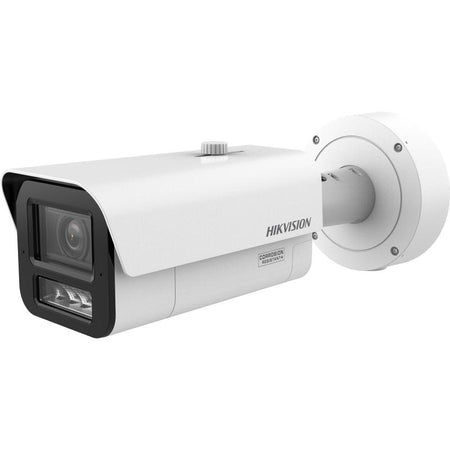
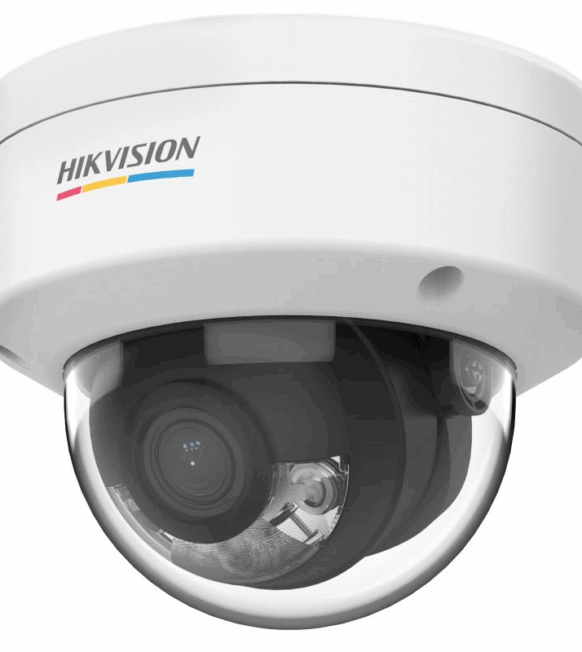
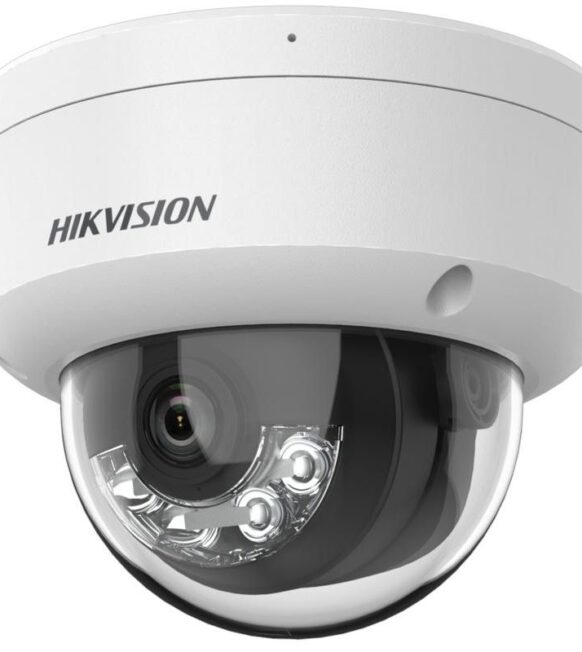
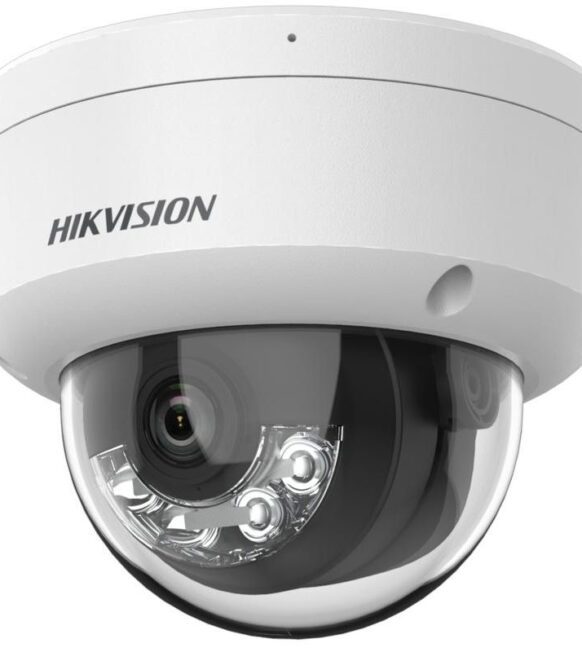
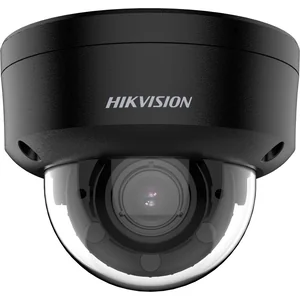
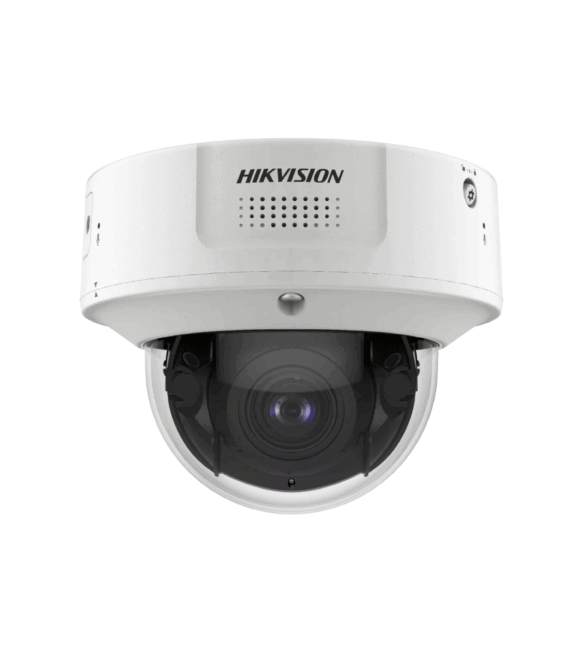
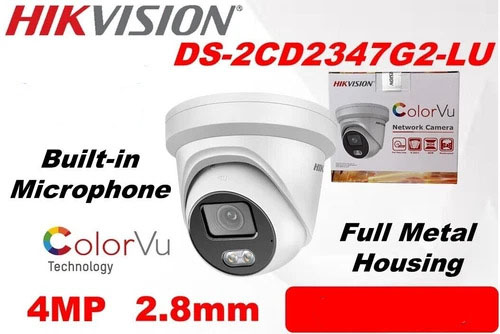
Hikvision continues to dominate the Kenyan surveillance market through relentless innovation and proven reliability. Their extensive product range and strong local technical support make them a default choice for many.
Why Hikvision Stands Out in 2026.
Hikvision excels with cutting-edge technology. Their cameras offer exceptional high-definition video quality and industry-leading low-light performance. The product portfolio is vast, encompassing everything from basic analogue kits to sophisticated IP systems with deep learning analytics. Their focus on cybersecurity and hybrid cloud solutions ensures their products are future-proof for the evolving digital landscape.
Who It’s Best For.
Ideal for virtually any application. This includes residential estates, retail chains, corporate offices, and large-scale industrial or government projects where advanced features and unwavering durability are non-negotiable.
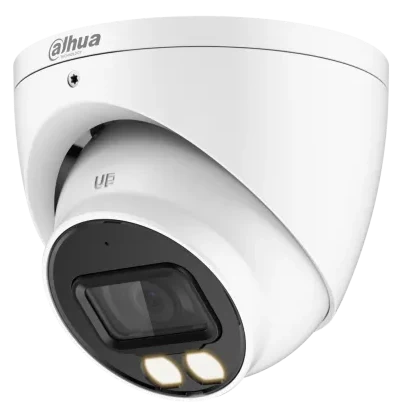
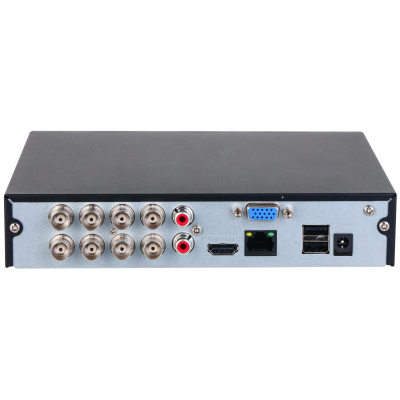
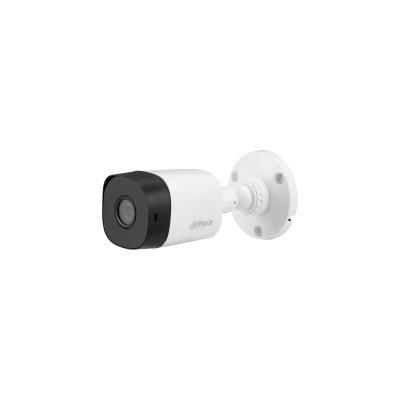
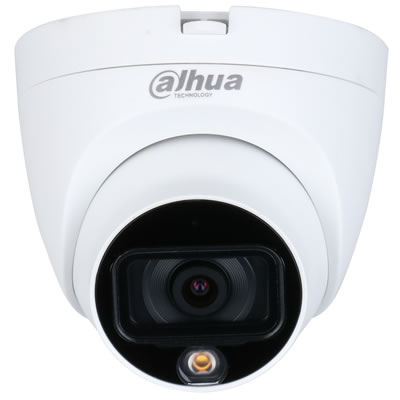
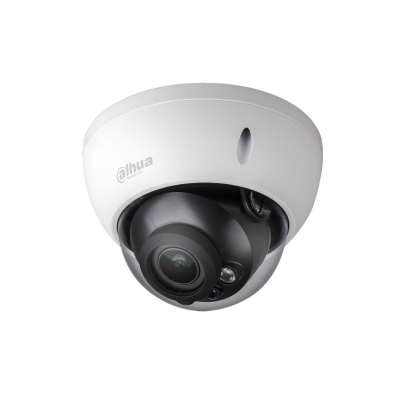
2. Dahua Technology: The Feature-Rich Powerhouse
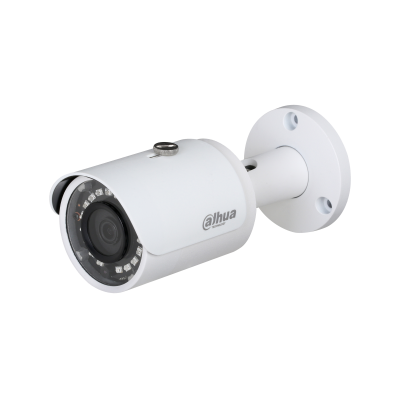
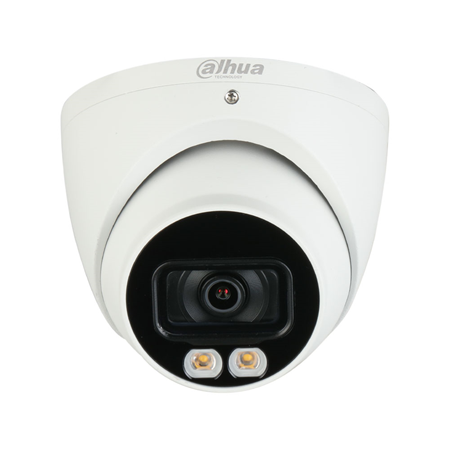
Dahua stands as a formidable competitor, renowned for delivering high-quality, technology-packed solutions at highly competitive price points. Their commitment to AI and smart analytics is a key strength.
Key Highlights for the Kenyan Market.
Dahua cameras consistently offer excellent video resolution and colour night vision capabilities. They provide a remarkable array of smart features like perimeter protection and facial detection at accessible prices. Their robust local distribution network ensures good availability of equipment and spare parts.
Best For.
Budget-conscious homeowners, small to medium-sized businesses (SMBs), and installers looking for exceptional value without sacrificing advanced functionality.
3. Uniview: The Rising Star in Performance and Value
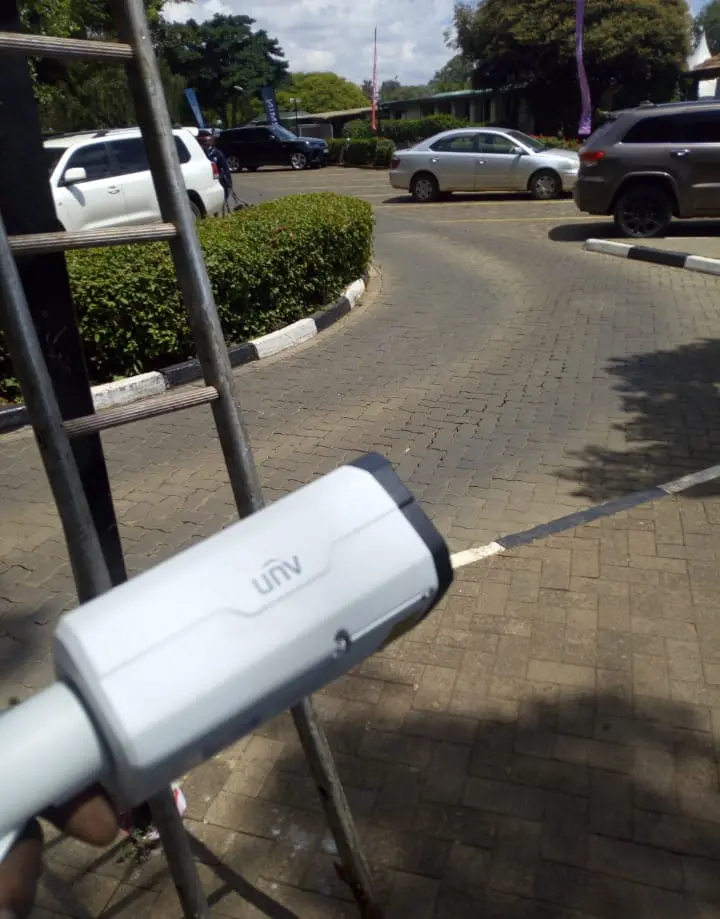
Uniview has rapidly gained market share in Kenya by offering a compelling blend of performance, stability, and cost-effectiveness. They are particularly noted for their superior colour night vision technology.
Notable Uniview Advantages.
The brand is praised for its high-performance Network Video Recorders (NVRs) and cameras that deliver crisp images even in challenging lighting. Uniview places a strong emphasis on network security and system stability. Their kits are often well-designed for straightforward installation and user management.
Best For.
Residential complexes, medium-sized commercial enterprises, and anyone seeking a reliable, high-value alternative to the top two brands without compromising on core performance.
4. Tiandy: The Innovative Contender with Strong AI
Tiandy is an innovative brand that has made significant inroads by specializing in AI-driven security solutions. Their focus on intelligent video analytics makes them a brand to watch in 2026.
What Makes Tiandy a Strong Choice.
Tiandy integrates powerful AI chips directly into their cameras, enabling accurate real-time analytics like vehicle and human detection. This reduces false alarms and storage needs. They offer a comprehensive range from thermal cameras to compact domes, all built with a focus on smart infrastructure integration.
Best For.
Tech-forward users, businesses requiring intelligent traffic monitoring (like car dealerships or compounds), and projects where proactive, analytic-driven security is a priority.
5. EZVIZ: The Champion of User-Friendly Smart Security
EZVIZ, a brand under the Hikvision umbrella, has carved its own niche by focusing on the smart home and DIY market. Its ease of use and seamless app experience are major selling points.
Why EZVIZ Is Worth Considering.
The intuitive mobile app allows for effortless real-time monitoring, playback, and device management. Many models feature built-in AI for human and vehicle detection, two-way audio, and smart home integration via voice assistants. Installation is typically simple, often requiring just a Wi-Fi connection.
Best For.
Homeowners, renters, and small office owners who prioritise easy, self-installation and seamless integration into a smart home ecosystem.
6. Imou: Flexible and Power-Smart Solutions
Imou has captured attention with its flexible, often wire-free, security solutions. Their battery and solar-capable cameras address a critical need in areas with unreliable power infrastructure.
Notable Imou Features.
They offer a range of battery-powered cameras with optional solar panels for continuous charging. Features like PIR-based motion detection extend battery life by reducing false recordings. Their app provides robust cloud and local storage options, making remote monitoring reliable.
Best For.
Properties with limited wiring options, remote areas, farms, and as a supplementary security layer for holiday homes or temporary sites.
7. TP-Link & Tapo: Seamless Integration for Networked Homes
Leveraging their expertise in networking, TP-Link (and its sub-brand Tapo) delivers smart security cameras that integrate flawlessly into existing home and business Wi-Fi networks.
Highlights of TP-Link CCTV.
The setup process is remarkably user-friendly, appealing to the DIY crowd. They offer a variety of models including indoor pan/tilt cameras and weatherproof outdoor units. The combination of decent video quality, reliable motion alerts, and competitive pricing makes them a popular choice.
Best For.
Users already within the TP-Link ecosystem, tech-savvy homeowners, and small businesses looking for a straightforward, scalable Wi-Fi-based security system.
How to Choose the Right CCTV Brand in Kenya for 2026
Selecting the perfect system requires a strategic approach. Follow these key steps to narrow down your options.
1. Precisely Define Your Needs.
Start by identifying the primary purpose. Is it to deter burglars at home, monitor employee activity, or secure a large perimeter? The scale and criticality of the site directly influence the brand and system tier required.
2. Prioritise Key Features for Your Environment.
Essential features to evaluate include resolution (4K is becoming standard), true night vision performance, weather resistance (IP67 rating for outdoors), and smart analytics like human/vehicle detection to minimise false alarms.
3. Critically Assess Power and Connectivity.
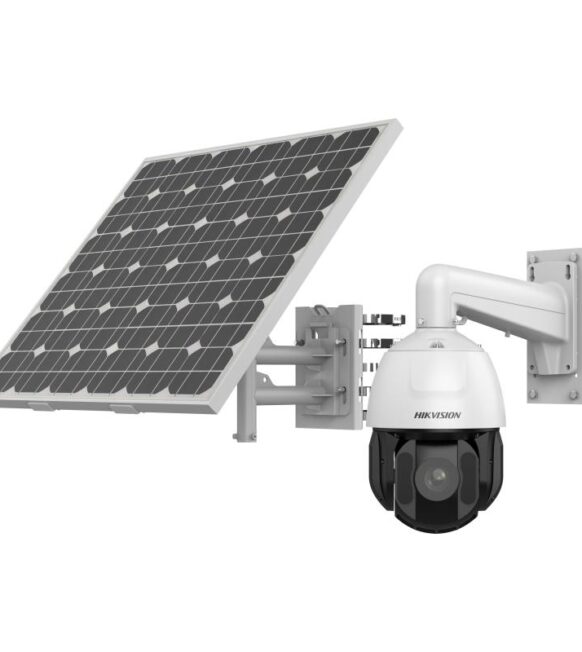
For locations with stable grid power, wired PoE (Power over Ethernet) systems offer the most reliability. For remote or areas with frequent outages, strongly consider solar-powered or hybrid models from brands like Imou or specialised solar CCTV providers.
4. Plan for Installation and Long-Term Support.
Choose a brand with a certified and reliable network of installers in Kenya. Ensure spare parts and technical support are readily accessible locally. A great camera is only as good as its installation and maintenance.
- Buy via WhatsApp
- Buy via WhatsApp
- Buy via WhatsApp
- Buy via WhatsApp
- Buy via WhatsApp
- Buy via WhatsApp
- Buy via WhatsApp
- Buy via WhatsApp
- Buy via WhatsApp
- Buy via WhatsApp
- Buy via WhatsApp
- Buy via WhatsApp
- Buy via WhatsApp
- Buy via WhatsApp
- Buy via WhatsApp
- Buy via WhatsApp
- Buy via WhatsApp
- Buy via WhatsApp
- Buy via WhatsApp
- Buy via WhatsApp
- Buy via WhatsApp
- Buy via WhatsApp
- Buy via WhatsApp
- Buy via WhatsApp
- Buy via WhatsApp
- Buy via WhatsApp
- Buy via WhatsApp
- Buy via WhatsApp
- Buy via WhatsApp
- Buy via WhatsApp
- Buy via WhatsApp
- Buy via WhatsApp
- Buy via WhatsApp
- Buy via WhatsApp
- Buy via WhatsApp
- Buy via WhatsApp
- Buy via WhatsApp
- Buy via WhatsApp
- Buy via WhatsApp
- Buy via WhatsApp
- Buy via WhatsApp
- Buy via WhatsApp
- Buy via WhatsApp
- Buy via WhatsApp
- Buy via WhatsApp
- Buy via WhatsApp
- Buy via WhatsApp
- Buy via WhatsApp
- Buy via WhatsApp
- Buy via WhatsApp
- Buy via WhatsApp
- Buy via WhatsApp
- Buy via WhatsApp
- Buy via WhatsApp
- Buy via WhatsApp
- Buy via WhatsApp
- Buy via WhatsApp
- Buy via WhatsApp
- Buy via WhatsApp
- Buy via WhatsApp
- Buy via WhatsApp
- Buy via WhatsApp
- Buy via WhatsApp
- Buy via WhatsApp
- Buy via WhatsApp
- Buy via WhatsApp
- Buy via WhatsApp
- Buy via WhatsApp
- Buy via WhatsApp
- Buy via WhatsApp
- Buy via WhatsApp
- Buy via WhatsApp
- Buy via WhatsApp
- Buy via WhatsApp




















General & Basic Questions
- What does CCTV stand for?
CCTV stands for Closed-Circuit Television. - How does a CCTV system work?
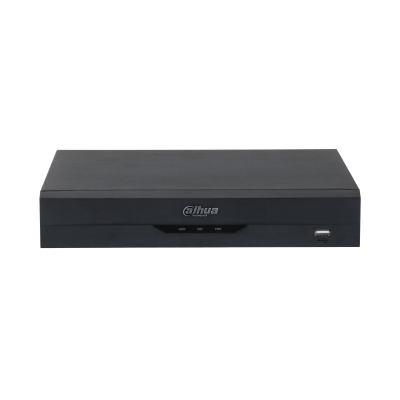
Cameras capture video footage and transmit it to a recording device (DVR/NVR) and monitors, forming a closed system. - Is it legal to install CCTV in Kenya?
Yes, but you must comply with data protection laws. Avoid pointing cameras at neighbours’ private spaces. - What is the difference between analogue and IP cameras?
Analogue cameras send video via coaxial cable to a DVR. IP cameras send digital video over a network to an NVR. - What is the best CCTV brand in Kenya?
Popular brands include Hikvision, Dahua, Uniview, and EZVIZ, depending on budget and needs.
Technical & Features
- What is video resolution, and which is best?
Resolution (e.g., 2MP, 4MP, 4K) defines image clarity. For most homes, 2MP or 4MP is sufficient. - What is Night Vision, and how does it work?
Cameras use IR (Infrared) LEDs to see in total darkness, typically displaying black-and-white footage. - What is Motion Detection?
The camera starts recording or sends an alert when it detects movement within its field of view. - Can CCTV cameras work without electricity?
Standard cameras require power. Options for power outages include UPS backups, solar-powered cameras, or battery-operated models. - What is the difference between a DVR and an NVR?
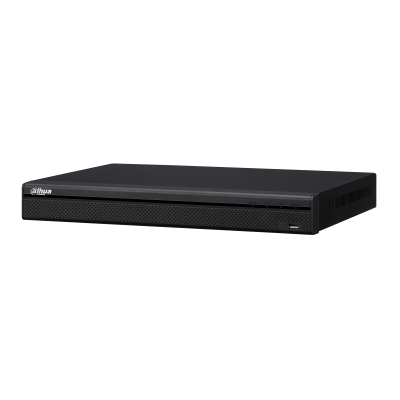
A DVR works with analogue cameras. An NVR works with IP cameras and typically offers better video quality. - What does “PoE” mean?
Power over Ethernet allows a single network cable to provide both data and power to an IP camera. - What is Two-Way Audio?
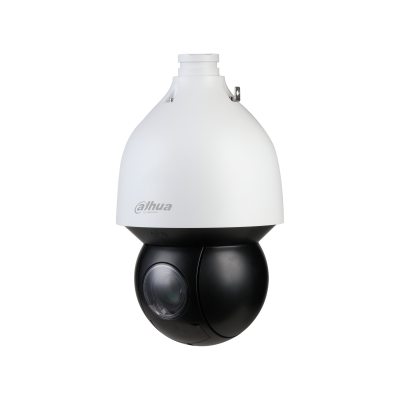
A feature allowing you to listen and speak through the camera using a built-in microphone and speaker. - What is a PTZ Camera?
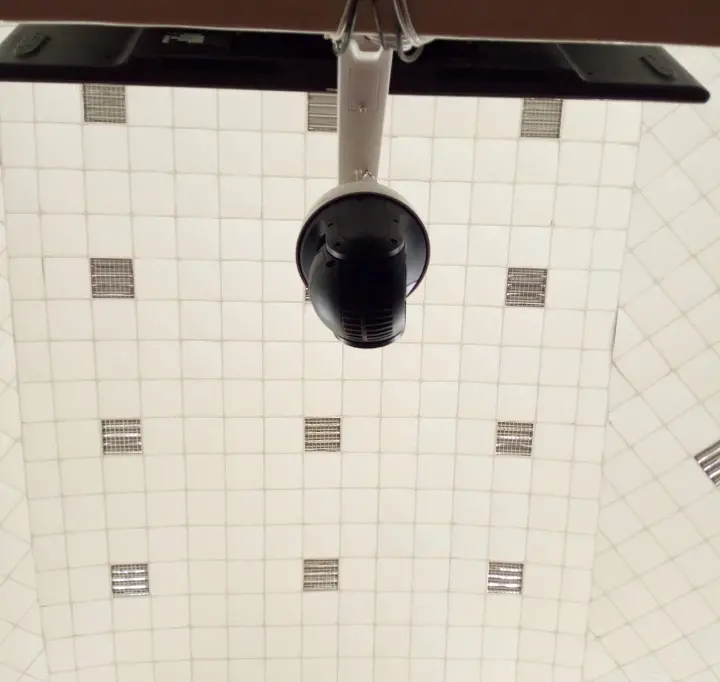
Pan-Tilt-Zoom cameras can rotate, tilt, and zoom remotely for covering larger areas.
Purchasing & Costs
- How much does a complete CCTV system cost in Kenya?
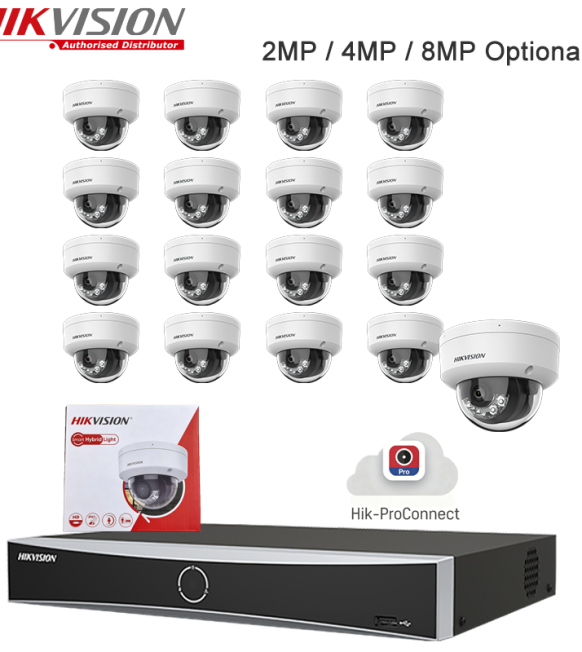
A basic 4-channel system starts from KES 35,000. Prices rise with more cameras and advanced features. - Where can I buy genuine CCTV cameras in Kenya?
Buy from authorised distributors or reputable security installers like Boardtac Solutions or Rittotechnologies. - Should I choose a wired or wireless system?
Wired (PoE) systems are more reliable. Wireless systems are easier to install but can suffer from signal interference. - What comes in a standard CCTV kit?
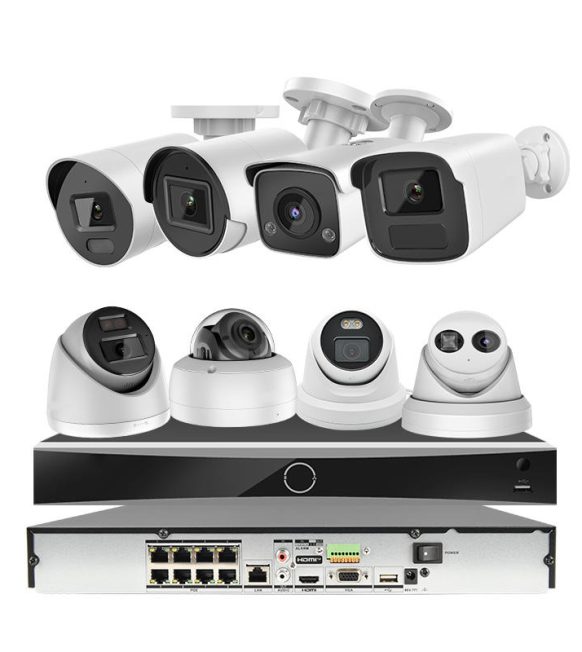
Typically includes cameras, a DVR/NVR, cables, a power supply, connectors, and sometimes a monitor. - Are cheap CCTV cameras from online sites reliable?
Often not. They may be counterfeit, lack local warranty, or have poor after-sales support.
Installation & Setup
- Can I install CCTV cameras myself?
Yes, for basic DIY kits. For complex or multi-camera systems, a professional installers like Boardtac or Rittotechnologies is recommended. - Where should I position my CCTV cameras?
Cover all entry points (doors, gates), blind spots, and valuable assets. Ensure cameras are mounted high and out of easy reach. - How many cameras do I need for my house?
A typical 3-bedroom house may need 4-6 cameras: front gate, front door, back door, driveway, and living area exterior. - Do CCTV cameras work in the rain?
Yes, if they have a suitable weatherproof rating (look for IP66 or IP67). - What type of cables are used?
Analogue systems use coaxial (RG59) and power cables. IP systems use Ethernet (Cat5e/Cat6) cables for PoE.
Storage & Recording
- How much hard drive storage do I need for my cctv cameras?
Depends on camera number, resolution, and recording days. A 1TB drive can store about 2 weeks for 4 cameras at 1080p. - What is Continuous vs. Motion-Activated Recording?
Continuous records 24/7. Motion-activated only records when movement is detected, saving storage space. - Can I access my CCTV footage on my phone?
Yes, most modern systems have mobile apps (like Hik-Connect or DMSS) for live view and playback. - How long is CCTV footage kept?
This is configurable. Typically 7 to 30 days, after which old footage is overwritten. - What is Cloud Storage for CCTV?
Footage is saved on the internet. It offers off-site security but usually involves a monthly subscription fee.
Functionality & Concerns
- Can CCTV cameras see in complete darkness?
Yes, cameras with IR night vision can see in total darkness up to a certain distance (e.g., 30m). - Will CCTV work during a power blackout?
Only if the system has a backup power source like a UPS, battery, or solar panel. - Can CCTV footage be used as evidence in court in Kenya?
Yes, if it is properly stored and its integrity can be verified (following the Data Protection Act). - Do CCTV cameras record sound?
Only if they have a built-in microphone. Note: Recording audio without consent has stricter privacy regulations. - What prevents someone from stealing my CCTV camera?
Use vandal-proof dome cameras, install them high, use protective casings, and ensure the system records 24/7.
Internet & Networking
- Do I need internet for my CCTV system?
Internet is not needed for basic recording but is required for remote viewing on your phone and for alerts. - What internet speed is required for remote viewing?
A minimum of 2-4 Mbps upload speed from your premises is recommended for smooth remote viewing. - What is a CCTV Static IP or DDNS?
These are network settings required to reliably access your system remotely over the internet. - Can CCTV cameras get hacked?
Poorly secured systems can be vulnerable. Always change default passwords and update firmware regularly.
Solar & Specialized Systems
- Are solar-powered CCTV cameras effective in Kenya?
Yes, they are an excellent solution for areas with unreliable grid power or remote locations. - What is an AI Camera?
These cameras have built-in analytics to distinguish between humans, vehicles, and animals, reducing false alarms. - Can I integrate my CCTV with other security systems?
Yes, many systems can integrate with alarms, access control systems, and smart home devices for a comprehensive solution.