Beyond HD: Why 8MP 4K Cameras from Hikvision, Uniview, Dahua, and Tiandy Are the New Standard in Security.
In the world of security, the difference between a blurry shape and a conviction often comes down to one thing: detail. For years, 2MP (1080p) cameras were the industry standard. But as security needs evolve and technology becomes more accessible, the shift to higher resolution is undeniable.
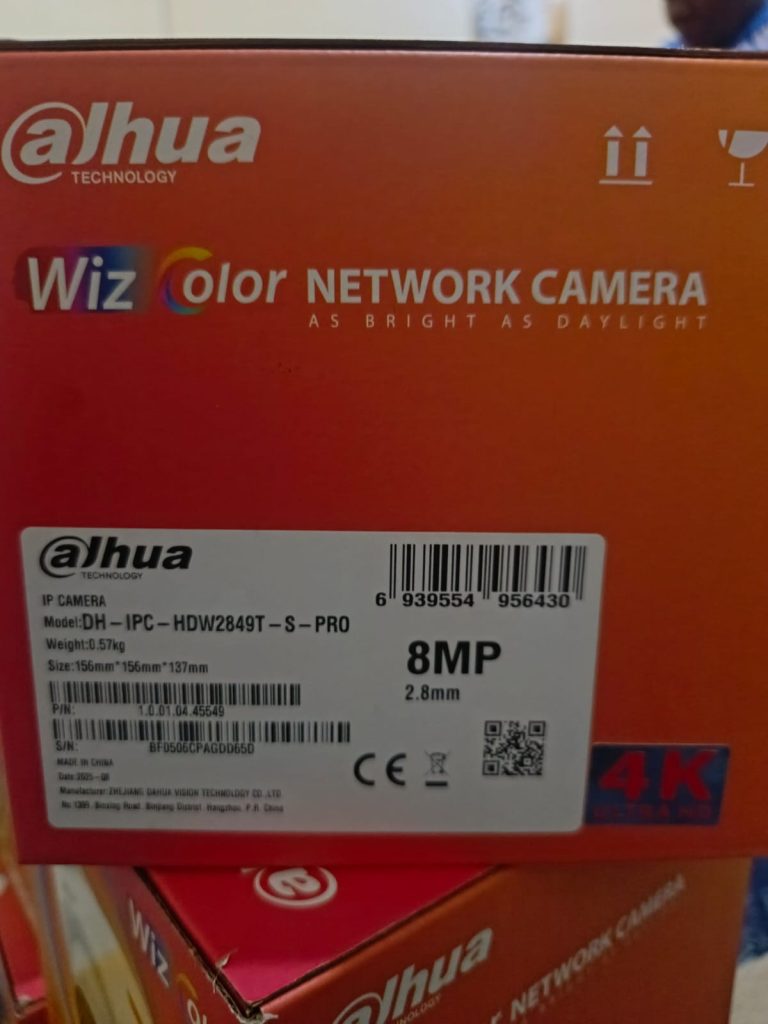
When someone invests in an 8MP CCTV camera—commonly referred to as 4K resolution (3840 × 2160) —from leading brands like Hikvision, Uniview, Dahua, or Tiandy, they aren’t just buying a camera. They are buying clarity, coverage, and confidence.
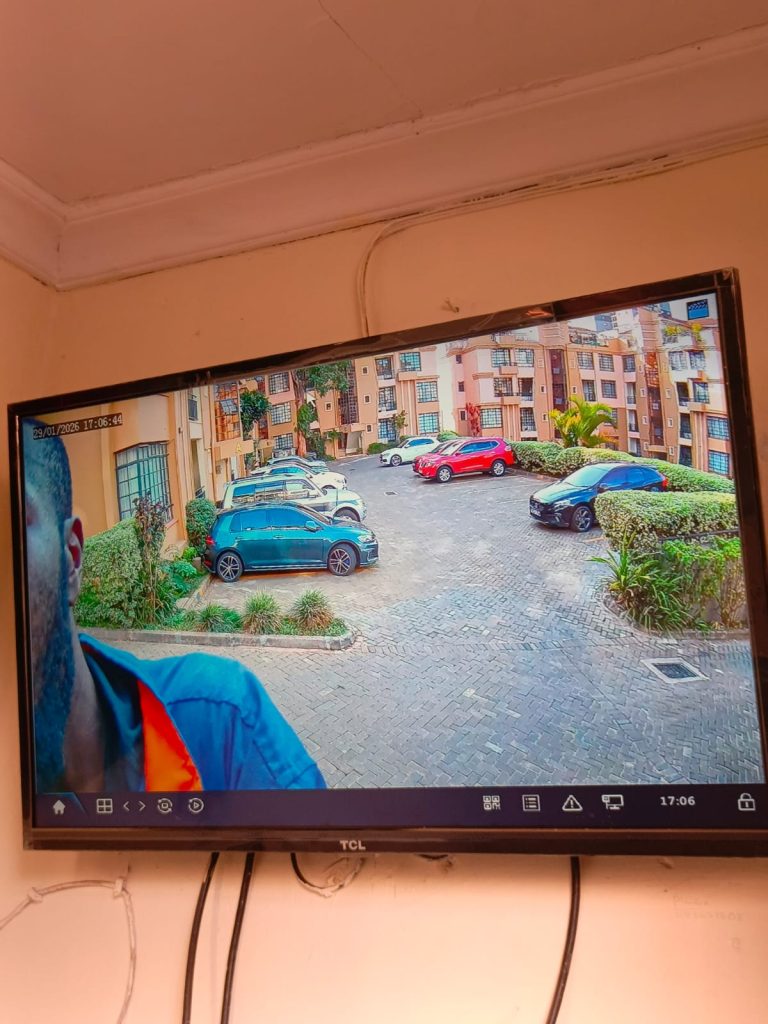
Whether you are securing a small retail shop or a sprawling warehouse, understanding the power of 8MP cameras and the critical choice between Fixed Lens and Motorized Lens models is the first step to a future-proof security system.
Why Choose an 8MP (4K) Camera? The “Need for Detail”
Dropping an 8MP camera onto a system is like upgrading from a standard TV to a 4K Ultra HD screen. The difference is immediately noticeable. Here is why users are making the switch:
1. Crystal Clear Video Quality (4K Resolution)
An 8MP camera packs four times the resolution of 1080p. This massive pixel count allows the camera to capture granular details that lower-resolution cameras miss.
- Facial Recognition: Instead of seeing a blur, you see distinct facial features.
- License Plates: Capturing number plates at entry and exit points becomes reliable.
- Forensics: In banks, cash counters, or retail tills, you can see the denomination of money or the fine print on a document.
2. Superior Digital Zoom (Pixelation Becomes a Thing of the Past)
In security, you often don’t know where an incident will happen. With an 8MP camera, you have the luxury of “digital zoom.”
- The Benefit: After an incident, security teams can zoom into the footage to inspect a specific area (like a face or a car badge) without the image breaking up into blurry squares. This forensic capability is why they are standard in banks, offices, and apartment entrances.
3. Wider Coverage with Fewer Cameras
Because of the high resolution, a single 8MP camera can monitor a larger area while still retaining usable detail at the edges.
- Applications: Warehouses, school playgrounds, large retail stores, and factory floors can be monitored with fewer cameras, reducing overall system costs while maintaining high security.
4. Robust Evidence for Investigations
If an incident occurs, police and insurance companies need actionable evidence. 4K footage provides a definitive record that helps identify suspects, verify incidents, and streamline insurance claims.
5. Purpose-Built for Outdoor Use
High-resolution doesn’t mean fragile. 8MP models from these top brands are built tough. They often feature:
- Long-Range Infrared (IR) Night Vision: Seeing in total darkness.
- Smart Motion Detection: AI that distinguishes between humans, vehicles, and animals to reduce false alarms .
- Weatherproof (IP67) Design: Withstanding rain, dust, and extreme temperatures, making them perfect for gates, perimeters, and parking areas .
Fixed Lens vs. Motorized Lens: The Most Important Decision You’ll Make
Once you decide on 8MP, the next question is lens type. This choice dictates where the camera can be placed and what it can see. You cannot change a fixed lens, but a motorized lens offers flexibility.
Here is a breakdown of the two types to help you decide.
Fixed Lens Cameras: The “Set and Forget” Solution
A fixed lens camera has a rigid, non-adjustable field of view. You buy it with a specific angle in mind, and it stays that way forever.
Common Focal Lengths and their Views:
- 2.8mm: Ultra-wide angle (great for covering an entire room) .
- 4mm: The standard “normal” view (good for corridors and medium rooms).
- 6mm: A narrower view for seeing slightly longer distances.
Advantages:
- Cost-Effective: They are significantly cheaper than motorized lenses .
- Simplicity: Installation is quick and easy—mount it and aim it.
- Reliability: Fewer moving parts mean less that can go wrong mechanically.
Best Use Cases:
- Small Offices: Covering a reception desk or a hallway.
- Retail Shops: A single 2.8mm camera can cover the entire sales floor.
- Indoor Rooms: Server rooms, storage closets, or break rooms.
Motorized (Varifocal) Lenses: The “Zoom and Refine” Solution
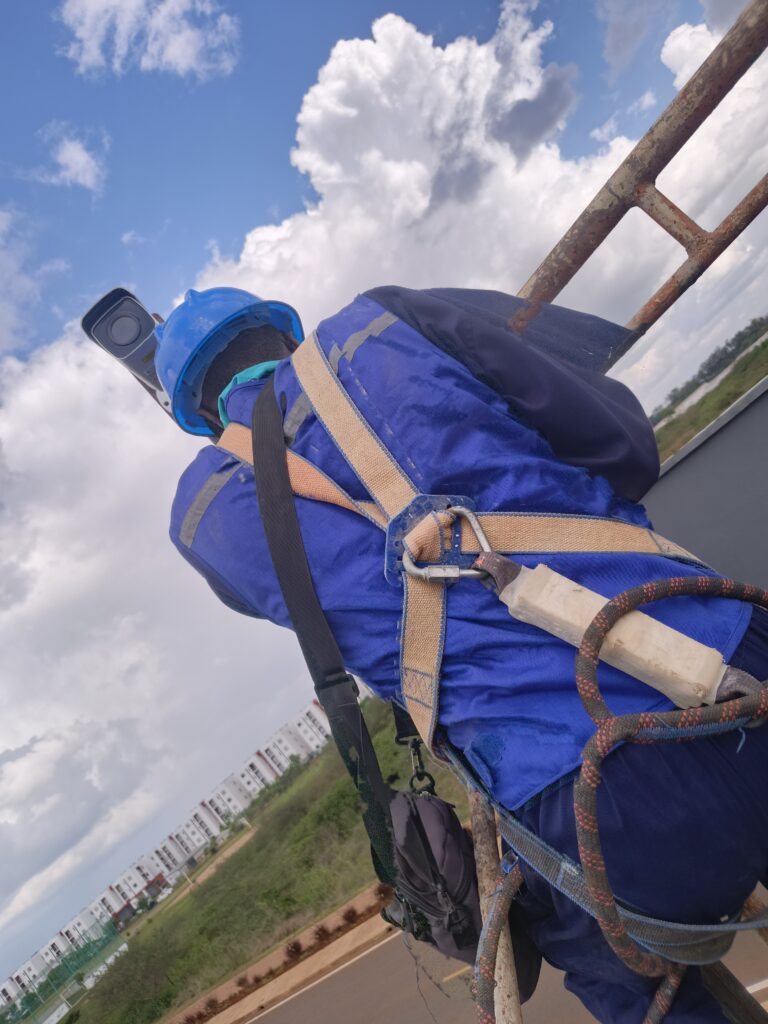
A motorized lens camera allows the installer to adjust the focal length remotely via the recorder (NVR) or software . You can zoom in to see a distant object or zoom out to get a wider view—all without climbing a ladder.
Common Ranges:
- 2.8mm – 12mm: This allows you to go from a very wide view to a zoomed-in telephoto view, all in one camera .
Advantages:
- Ultimate Flexibility: Installers can fine-tune the exact view during setup.
- Targeted Surveillance: You can zoom in on a specific choke point (like a gate or a till) while ignoring irrelevant background space.
- Distant Identification: Perfect for capturing faces or license plates from further away .
Best Use Cases:
- Parking Lots: Zoom in to cover the entrance barrier, zoom out to monitor the lot.
- Warehouse Entrances: Get a tight shot of the loading bay doors.
- Perimeter Security: Adjust the zoom to cover a long fence line without distortion.
- Gates/Compounds: Ensure you capture every vehicle plate entering or exiting.
Quick Comparison: Fixed vs. Motorized Lens
| Feature | Fixed Lens | Motorized Lens (Varifocal) |
|---|---|---|
| Adjustability | None (Fixed angle) | High (Remote zoom/focus) |
| Cost | Budget-Friendly | Premium Investment |
| Installation | Very Simple | Requires Configuration |
| Coverage | Predictable, static view | Dynamic, adjustable view |
| Ideal For | Small indoor rooms | Large outdoors, gates, warehouses |
Brand Deep Dive: Hikvision, Uniview, Dahua, and Tiandy
While the technology is similar, each brand brings its own strengths to the table. Here is a closer look at what makes each one unique.
Hikvision: The Global Leader
As the world’s largest video surveillance manufacturer, Hikvision is often the default choice for many installers . Their 8MP lineup is extensive and feature-rich.
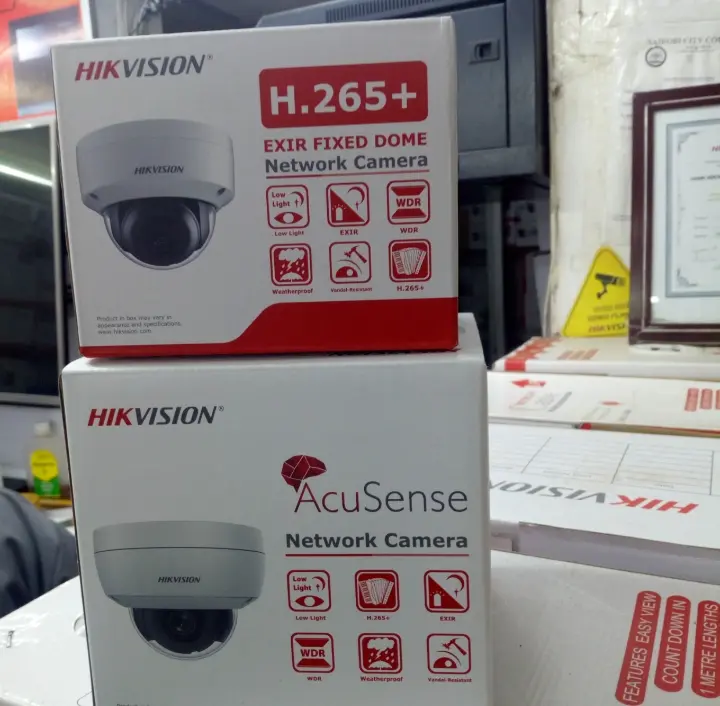
- Key Technologies: Look for their AcuSense technology, which uses deep learning to filter out false alarms by distinguishing between human, vehicle, and other motion . Their ColorVu technology is also a standout, providing full-color night vision without the need for IR lights.
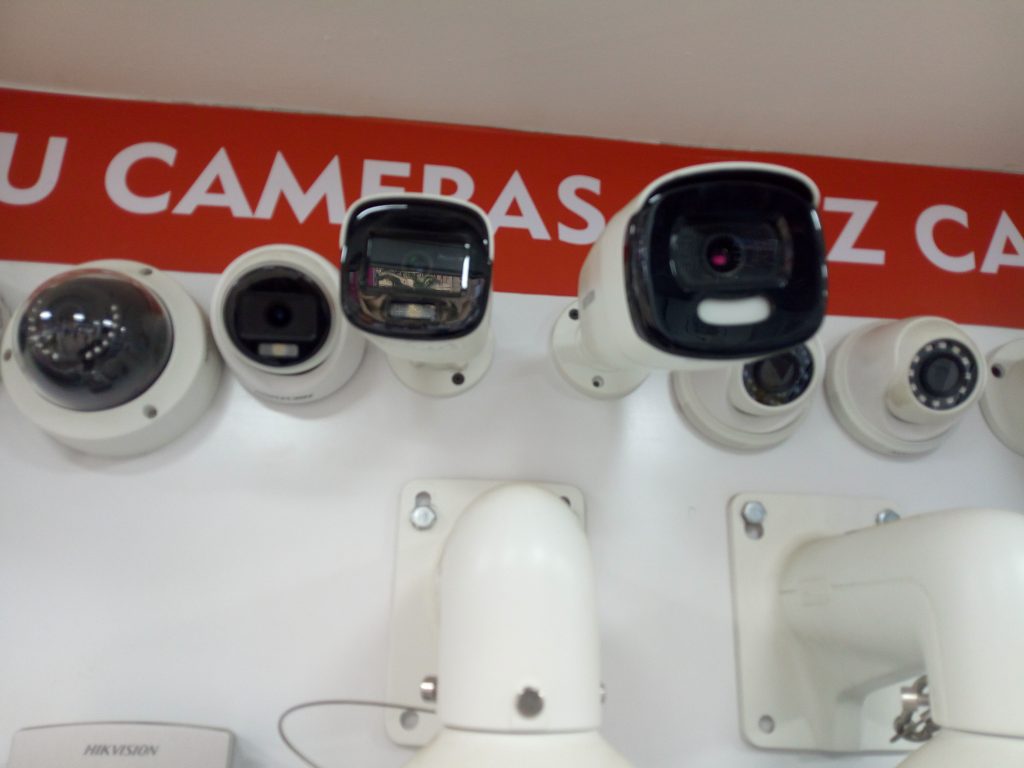
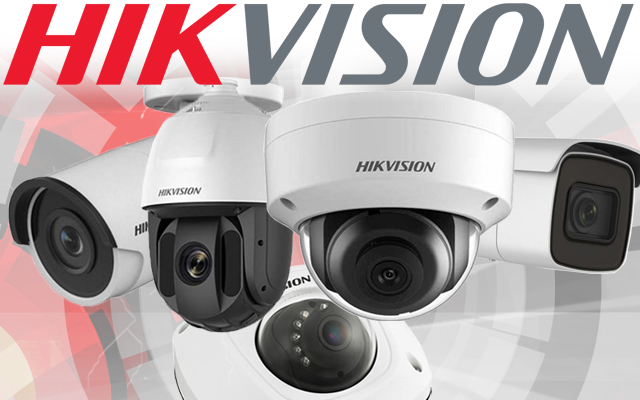
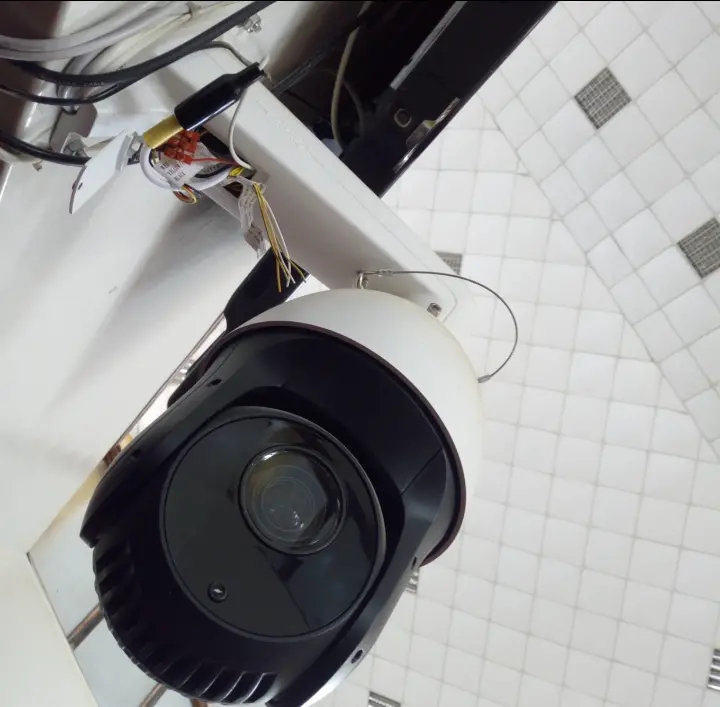
- Camera Types: Hikvision offers every form factor imaginable—dome, bullet, PTZ, and turret—ensuring there is a model for every application .
- Best For: Large-scale projects, users who want the widest range of choices, and those who prioritize advanced AI features .
Dahua: The Innovation Powerhouse
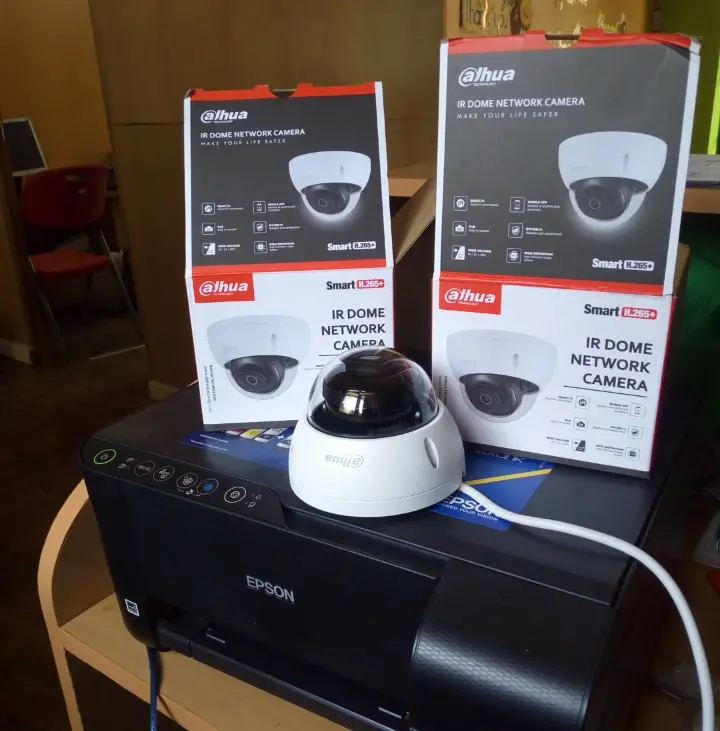
Dahua is Hikvision’s main rival and is known for pushing the envelope in AI integration and analytics .
- Key Technologies: Dahua’s strength lies in its AI algorithms and Wide Dynamic Range (WDR) , making their cameras excellent for challenging lighting conditions like entrances with bright sunlight and dark shadows. Their “Full-color” night vision technology is also highly competitive.
- Ecosystem: Like Hikvision, Dahua offers a complete ecosystem, meaning their cameras integrate seamlessly with their recorders, access control, and alarm systems.
- Best For: Commercial and industrial environments, complex installations, and users who need advanced video analytics .
Uniview: The Cost-Effective Innovator
Uniview has grown rapidly by offering a compelling mix of innovation and value. They are particularly renowned for their imaging technology.
- Key Technologies: Uniview is famous for its low-light performance. Their “Uniview” name itself speaks to their focus on superior image quality. They offer robust build quality and reliable performance, often at a more competitive price point than the top two.
- R&D Focus: They invest heavily in R&D, ensuring their cameras feature the latest encoding technology (like H.265) and smart detection features .
- Best For: Mixed IP/analog environments, budget-conscious projects that don’t want to compromise on quality, and users who prioritize night vision .
Tiandy: The Rising Star with Excellent Hardware
Tiandy may not be as globally recognized as the others, but it has built a strong reputation for manufacturing cameras with exceptional hardware quality .
- Key Technologies: A recent comparative analysis rated Tiandy extremely highly across several crucial hardware metrics, including circuit protection, heat dissipation, and sensor low-light performance—in some cases, even outscoring the competition . This suggests a camera built to last and perform reliably in tough conditions.
- Product Range: They offer a full suite of products, including dome, bullet, and PTZ cameras, as well as NVRs that support their advanced VCA (Video Content Analysis) functions .
- Best For: Specialized applications requiring robust hardware, users looking for a reliable alternative to the top three brands, and scenarios where low-light sensitivity is critical .
FAQ: Answering the Most Googled Questions About 8MP CCTV Cameras
Based on common searches regarding 8MP cameras, here are the answers you need:
Q1: How much storage does an 8MP camera use?
- A: A lot. 8MP cameras record massive files. A single camera can use between 30GB to 60GB per day depending on compression (H.264 vs. H.265) and frame rate. Using H.265 compression is highly recommended as it can cut storage needs almost in half compared to H.264 . Always calculate your storage needs before buying a hard drive.
Q2: Do I need a special recorder (NVR) for 8MP cameras?
- A: Yes. You cannot connect an 8MP camera to an old 1080p NVR and expect 4K quality. You need an NVR that supports 8MP cameras . Check the specifications to ensure the NVR has the processing power to handle the high-resolution stream.
Q3: What bandwidth do I need for 8MP cameras?
- A: 8MP cameras are bandwidth-heavy. For remote viewing, you need a good internet upload speed. On your local network (LAN), use a Gigabit switch and Cat5e or Cat6 cables. Standard 100Mbps switches can bottleneck if you have multiple 8MP cameras streaming at once. Ensure your NVR has a Gigabit Ethernet port .
Q4: Are 8MP cameras good at night?
- A: Yes, but with a note. While they capture more detail, the smaller pixels on the sensor can sometimes struggle in low light compared to a 2MP camera with larger pixels. However, modern 8MP cameras feature advanced sensors and powerful IR LEDs. Look for features like “DarkFighter” (Hikvision), “Starlight” (Tiandy), or Uniview’s low-light technology for superior performance .
Q5: What is the difference between 8MP and 4K?
- A: Technically, very little. “4K” is the consumer TV standard (3840 x 2160 = 8.3 megapixels). “8MP” in security cameras is usually 3840 x 2160 as well, though sometimes it’s a 4:3 aspect ratio. In marketing, they are used interchangeably .
Q6: Which brand is better: Hikvision, Dahua, Uniview, or Tiandy?
- A: There is no single “best” brand—it depends on your priorities .
- Choose Hikvision for the widest range of products and advanced AI features like AcuSense.
- Choose Dahua for cutting-edge AI integration and superior WDR performance.
- Choose Uniview for excellent low-light performance and the best price-to-performance ratio.
- Choose Tiandy for robust, reliable hardware and strong low-light sensors.
BONUS: 5 Mistakes to Avoid When Installing 8MP Cameras
High resolution is wasted if the installation is poor. Avoid these common pitfalls:
- Using Poor Quality Cables: 4K data is heavy. Using cheap, unshielded, or very long cable runs can cause signal degradation. Always use good quality Cat6 or Cat5e cables .
- Incorrect Focusing (For Motorized Lenses): Installers often forget to fine-tune the motorized zoom focus. They set the zoom but leave the image slightly blurry. Always use the “auto-focus” or fine-focus adjustment in the software .
- Ignoring Lighting Conditions: Placing a camera pointing directly at a bright sunset (backlight) will turn the subject into a silhouette. Use cameras with Wide Dynamic Range (WDR) or position the camera with the light source behind it .
- Underestimating Storage: As mentioned above, 8MP fills hard drives fast. People buy a 1TB drive thinking it will last a month, only to find it overwrites in 3 days. Always calculate your retention needs.
- Bad Angle on Number Plates: To capture a plate, the camera needs to be low enough and at a shallow angle to the vehicle. Mounting a camera 6 meters high looking straight down will give you a great view of the roof, but you won’t read a plate.
https://boardtac.co.ke/hikvision
https://boardtac.co.ke/hikvision-nairobi-kenya