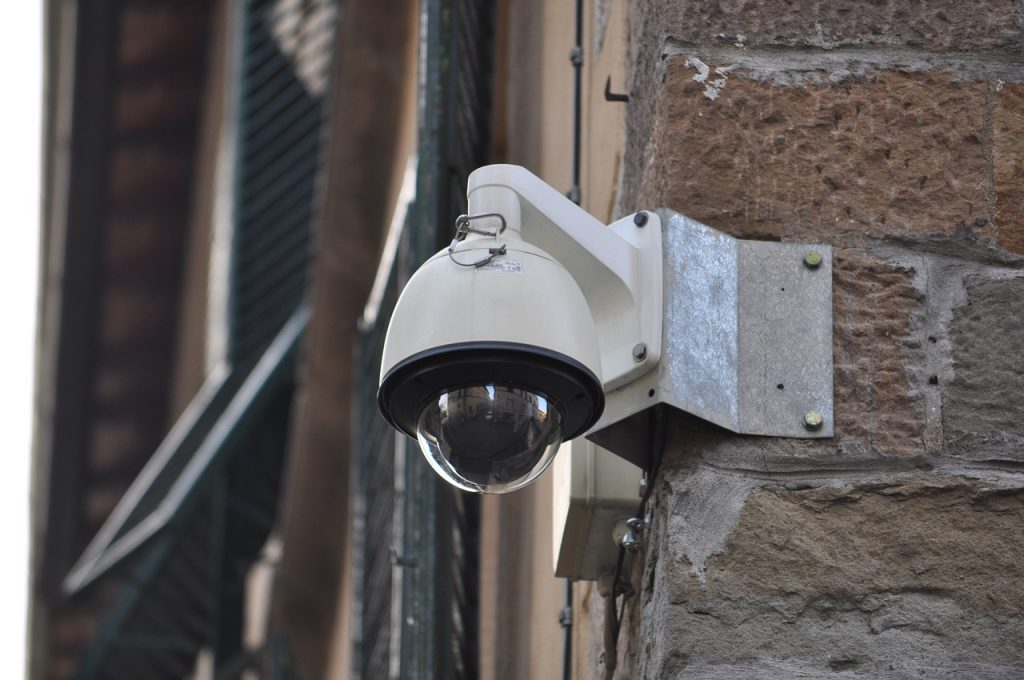
CCTV to Become Standard in All Police Stations, Murkomen Announces.
Kenya is moving toward a more transparent and accountable policing system. This follows a major announcement by Kipchumba Murkomen, who revealed that the government will make CCTV surveillance mandatory in all police stations across the country. Consequently, this directive forms a key part of a broader reform agenda. The government aims to strengthen accountability, improve service delivery, and rebuild public trust in law enforcement institutions.

This new policy will transform how police stations operate. It introduces modern monitoring systems that can help prevent misconduct, enhance transparency, and support investigations. Furthermore, it signals the government’s growing commitment to using technology to modernize security systems within the National Police Service.
The Government Directive on CCTV in Police Stations
According to Murkomen, all police stations in Kenya must install CCTV surveillance systems within the next two years. This initiative will cover more than 1,200 police stations nationwide, ensuring every station has functioning monitoring systems.
The directive’s primary goal is to improve transparency in policing and ensure proper monitoring of activities within police stations. Murkomen emphasized that many stations currently have informal or unapproved camera setups. The new policy will therefore standardize surveillance across the country. Once implemented, CCTV cameras will monitor key areas within police facilities to ensure officer accountability and provide reliable evidence in case of disputes or investigations.
Role of Officers Commanding Stations (OCS)
Under the new framework, the Officer Commanding Station (OCS) will oversee the CCTV systems in their respective stations. These officers must ensure that cameras function properly and that they store recorded footage securely for future reference.
In addition, the government has proposed strict regulations for managing surveillance footage. Authorities are considering legislation that would criminalize tampering with or deleting CCTV recordings. This move aims to prevent the destruction of evidence and ensure integrity in police operations. Similarly, officers must immediately report any malfunction or failure of CCTV equipment through the official chain of command.
Part of a Wider Police Reform Agenda
This CCTV directive is not an isolated measure. Instead, it forms part of a broader set of reforms announced by the Interior Ministry. In particular, these reforms are designed to transform police stations into modern, efficient, and accountable institutions.
Digitizing Core Operations
A key pillar of this agenda is the digitization of Occurrence Books (OBs). This will allow for real-time tracking of police reports, reducing the chance of records being lost or manipulated.
Ensuring Accountability
Furthermore, the government will introduce regular performance audits of police stations. These audits will help identify weaknesses and ensure that stations meet service delivery standards.
Investing in Personnel
Additionally, the reforms include a focus on continuous professional training for officers, particularly those in leadership positions. This investment in human capital is crucial for effective and ethical policing.
Rebuilding Community Trust
Finally, the ministry plans to strengthen community policing frameworks. By fostering better relationships, these frameworks aim to rebuild the crucial trust between police and citizens.
Ultimately, these measures intend to address systemic challenges within the policing system while improving service delivery to the public.
Why CCTV in Police Stations Matters
Installing CCTV systems in police stations offers several critical benefits:
- Increased Transparency: Surveillance cameras document activities within police stations, making it easier to investigate allegations of misconduct.
- Protection for Both Officers and Citizens: CCTV footage can protect police officers from false accusations while also safeguarding the rights of citizens.
- Reliable Evidence in Investigations: Recorded footage provides objective evidence for use in disciplinary cases, criminal investigations, or court proceedings.
- Enhanced Professionalism: Knowing that their actions are being monitored encourages officers to maintain professional conduct and adhere to established procedures.
Technology and the Future of Policing in Kenya
A Global Trend in Law Enforcement
The introduction of CCTV surveillance reflects a growing global trend of integrating technology into law enforcement. Many countries now rely on digital monitoring systems to improve transparency and accountability in policing.
Kenya’s Technological Advancement
For Kenya, this move aligns with broader government efforts to adopt modern security technologies. These include digital record systems and integrated command centers that enhance real-time monitoring and coordination among security agencies. Moreover, for technology providers and security professionals, the policy highlights the increasing demand for reliable surveillance infrastructure within public institutions.
Conclusion
The decision to mandate CCTV surveillance in all police stations marks a significant milestone in Kenya’s ongoing police reforms. By introducing standardized monitoring systems, the government hopes to improve accountability, restore public trust, and ensure that police stations operate with greater transparency. As implementation begins over the next two years, the initiative’s success will depend on proper installation, consistent equipment maintenance, and strict adherence to the governing policies. Therefore, if executed effectively, this reform will play a crucial role in strengthening professionalism and integrity within Kenya’s law enforcement sector.