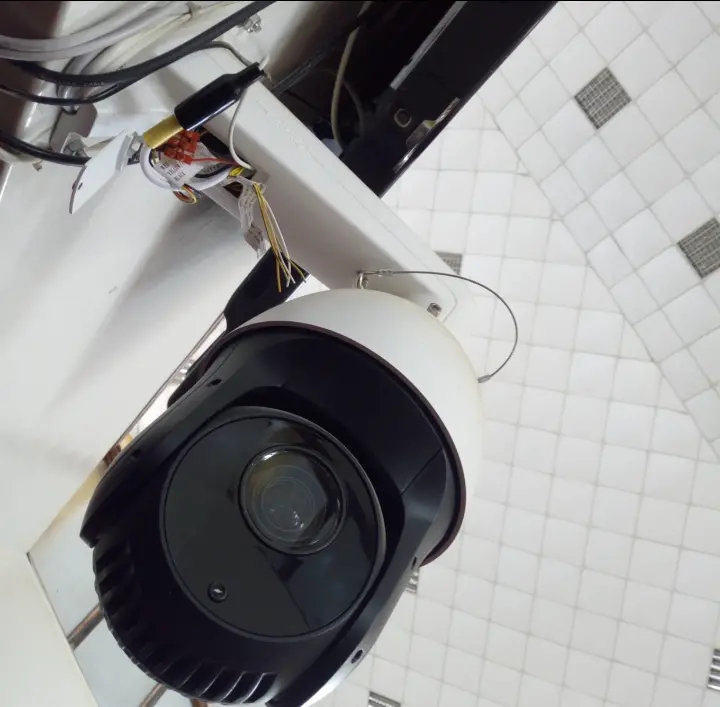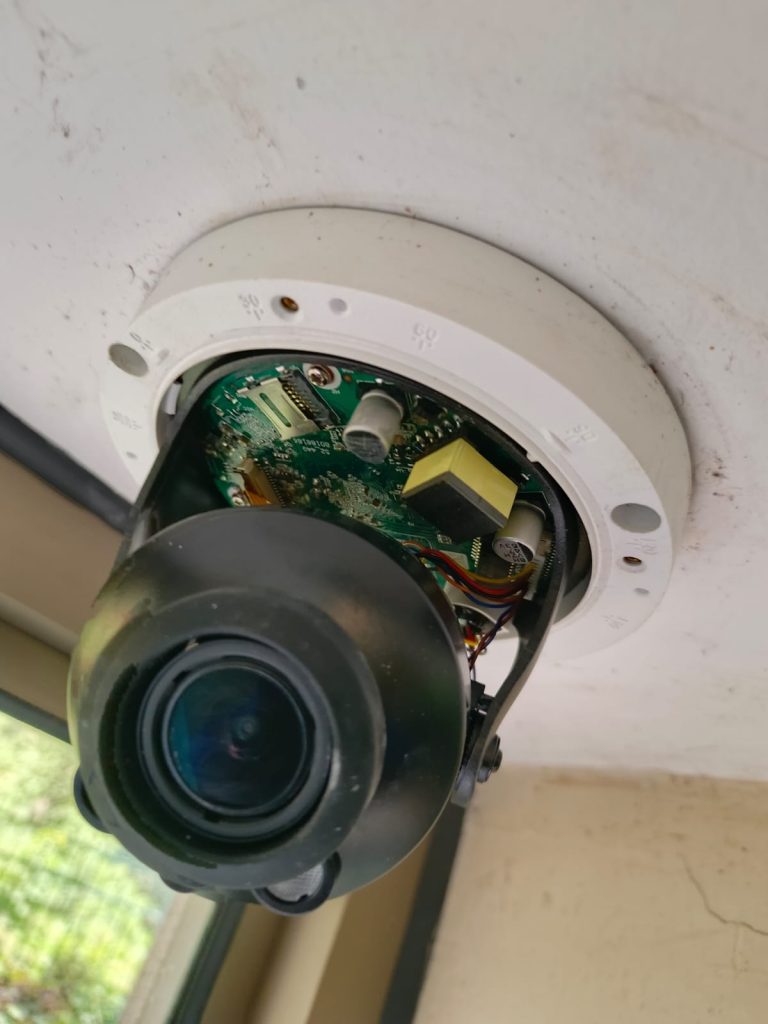
Judiciary to Install CCTV Cameras in High-Traffic Courts to Improve Security.
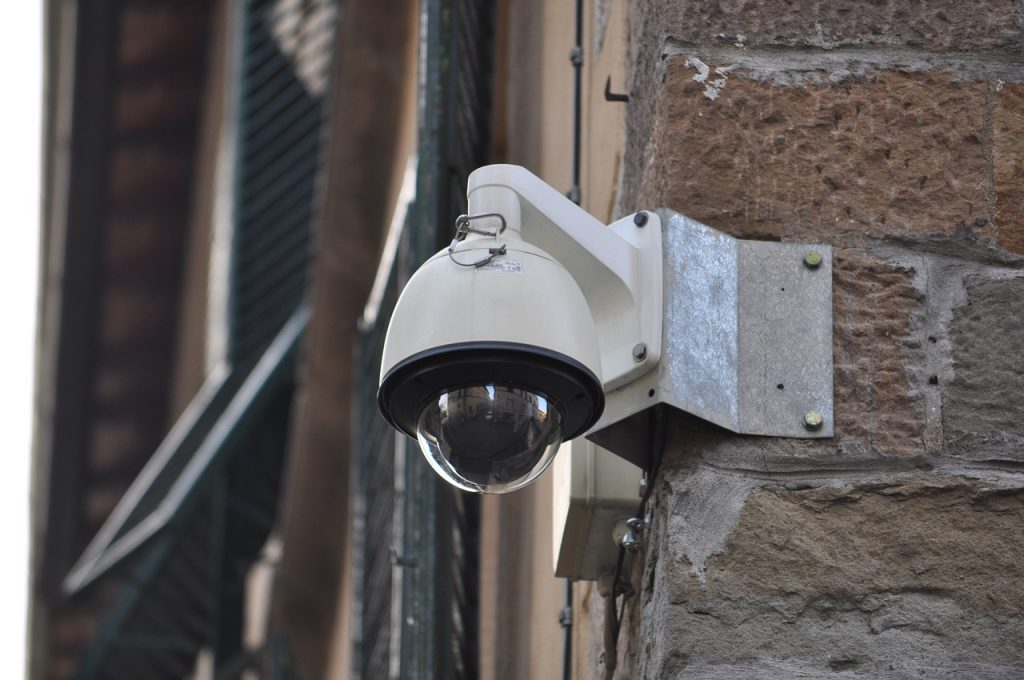
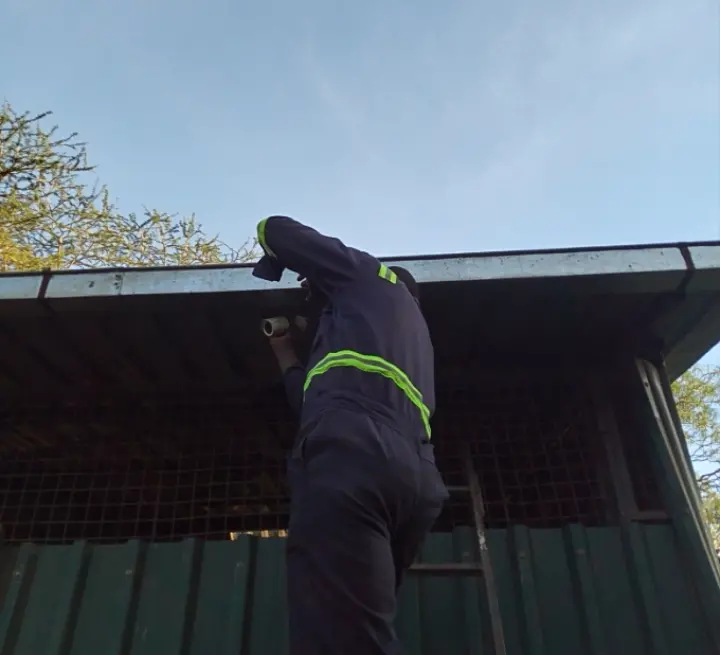
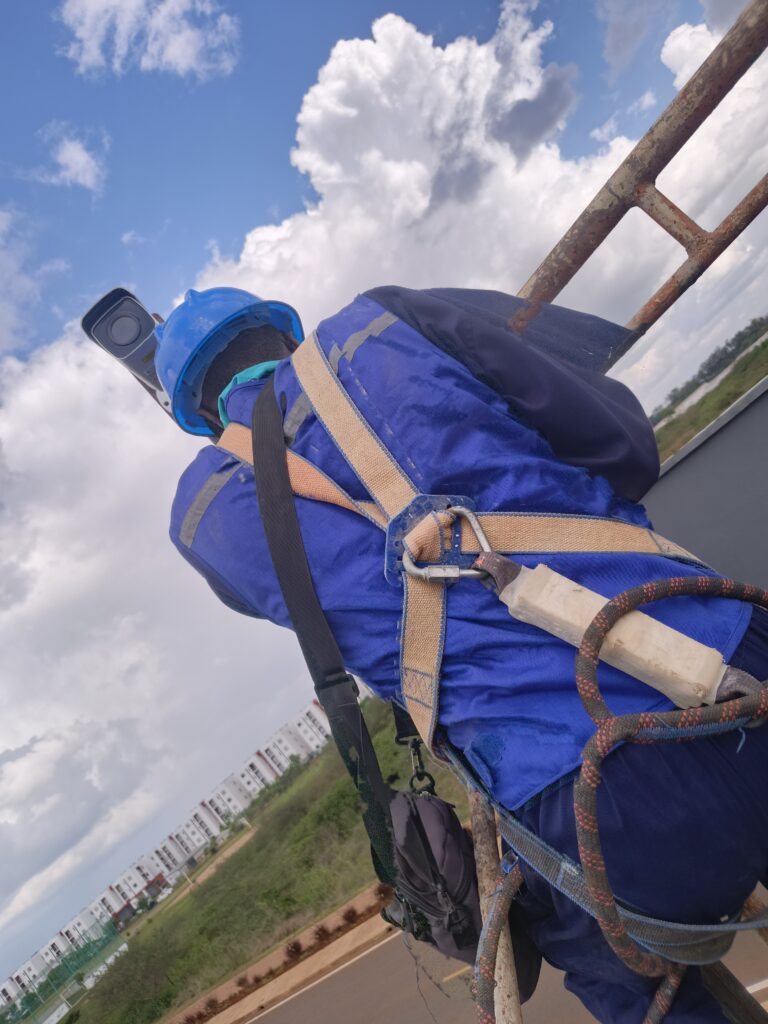
The Kenyan Judiciary will install CCTV cameras in high-traffic court stations across the country. This initiative forms part of a broader effort to strengthen security and improve surveillance within court premises.
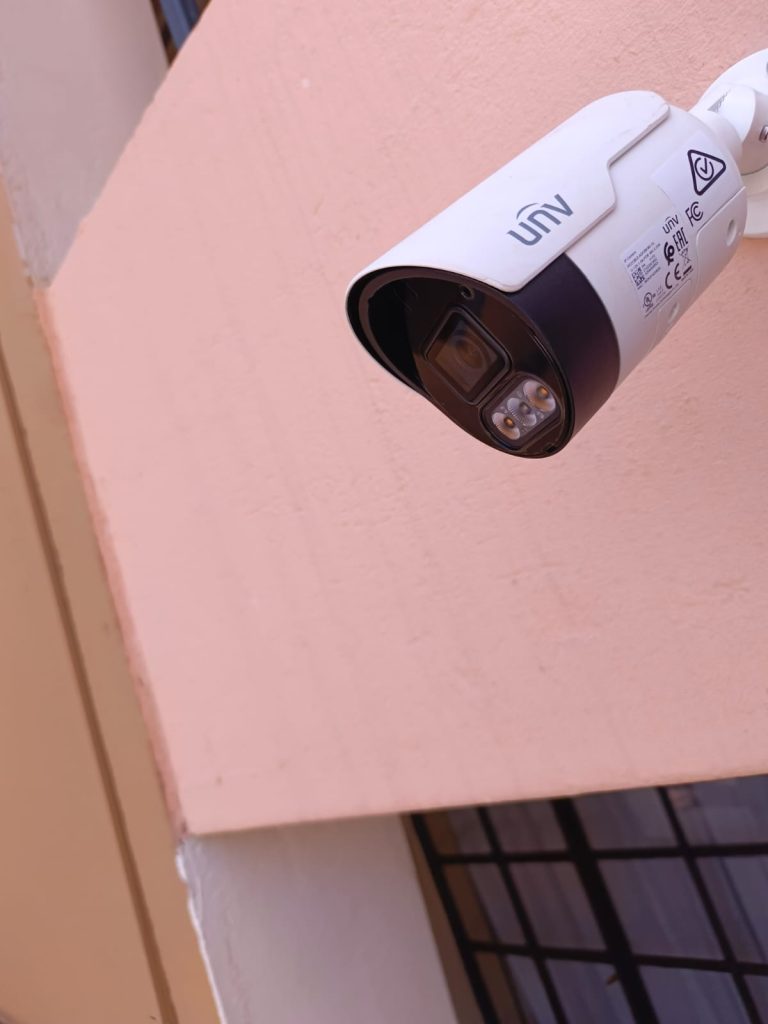
According to a report published on July 3, 2025, the Judiciary has already allocated a budget for the procurement and installation of these systems in selected court stations. These cameras will enhance monitoring, improve safety for court users, and support overall security management within judicial facilities.
New Screening Equipment
The CCTV installation program will also include the procurement of body scanners and modern screening equipment. These tools will improve physical surveillance and access control in busy court stations. By implementing these measures, the Judiciary aims to create a more secure environment for everyone entering court facilities.
Leadership on Security
Speaking during the 12th Annual Heads of Stations Forum in Wote Town, Makueni County, Judiciary Chief Registrar Winfridah Mokaya emphasized the institution’s commitment to safety. She stated that the Judiciary focuses on ensuring that judges, magistrates, court staff, and members of the public can operate within a secure and dignified environment. She further stressed that improved security measures will help guarantee that fear, insecurity, or potential threats do not compromise access to justice.
Deployment of Additional Security Personnel
In tandem with installing surveillance systems, the Judiciary has finalized procurement arrangements with the National Youth Service (NYS). This partnership will deploy trained security personnel to courts within Nairobi. These additional officers will work alongside existing security teams to strengthen protection in court facilities and support the new technological systems.
Pilot Programs for Digital Security
The Judiciary has also begun testing digital visitor management technology to enhance monitoring of individuals accessing court buildings. A Guest Management System has already undergone pilot deployment at:
- Makadara Law Courts
- The Supreme Court Building
Following the successful pilot phase, the Judiciary will roll out the system to other court stations across the country.
Expansion of Court Infrastructure
In addition to security upgrades, the Judiciary continues to expand court infrastructure to improve service delivery and access to justice. Recently operationalized courts include:
- Dagoreti Law Courts
- Kamwangi Law Courts
- Kombewa Law Courts
Meanwhile, construction of new courts in Kwale and Marimanti is nearing completion.
Solar Power and Technology Upgrades
As part of its modernization efforts, the Judiciary has invested in renewable energy solutions. So far, 41 court stations have switched to solar power, significantly reducing electricity costs in facilities such as Marimanti and Kwale.
Additionally, the Judiciary plans to replace outdated equipment for staff. This includes devices for employees who have used their machines for more than five years, as well as equipment for newly recruited employees.
A Growing Trend Toward Surveillance Technology
The installation of CCTV cameras in courts reflects a broader trend across Kenya’s public institutions. Specifically, it demonstrates a move toward adopting modern security technologies. The government has also proposed similar CCTV installations in police stations nationwide. Consequently, surveillance systems are becoming a key component in enhancing transparency, safety, and accountability in public institutions.
Conclusion
The Judiciary’s decision to install CCTV cameras in high-traffic court stations represents a major step toward strengthening security within Kenya’s justice system. By combining surveillance technology, trained security personnel, and modern visitor management systems, the Judiciary aims to create a safer environment for judicial officers, staff, and the public. Ultimately, these measures will help safeguard the integrity of court operations and ensure that justice proceeds without compromise.